
 AUS
AUS
 NZ
NZ
 UK
UK
 CA
CA
 USA
USA
 IND
IND






Highlights
- Hybrid vehicle sales reached record levels across key Ford models.
- The company continues expanding electrification while maintaining conventional vehicle production.
- Global manufacturing operations support a broad automotive portfolio.
Ford Motor continues balancing hybrid growth and electrification efforts while operating a global automotive business represented within the S&P 500 Index .
Ford Motor (NYSE:F) operates within the automotive sector, producing cars, trucks, sport utility vehicles, commercial vehicles, and electrified transportation products. As a long-standing constituent of the S&P 500 Index , the company remains one of the most recognized manufacturers in the global automobile industry. Recent developments have highlighted strong hybrid vehicle demand, reflecting changing consumer preferences as the automotive sector continues balancing conventional and electrified transportation technologies.
Hybrid Demand Supports Automotive Operations
Record hybrid vehicle demand has become a notable feature of Ford's recent performance. Consumers have increasingly shown interest in vehicles that combine internal combustion engines with electric-assisted systems, offering improved fuel efficiency while retaining familiar driving characteristics.
Hybrid models have gained traction across several vehicle categories, including pickup trucks and sport utility vehicles. The growing popularity of these products demonstrates continued demand for transitional technologies that bridge conventional and fully electric transportation.
Within the broader Automobile Stocks category, hybrid vehicles have emerged as an important segment. Manufacturers across the industry have responded by expanding hybrid offerings as consumers evaluate multiple powertrain options.
Expanding Electrification Efforts
Alongside hybrid growth, the company continues developing battery-electric vehicles across passenger and commercial segments. Electrification remains a major theme throughout the global automotive industry as manufacturers adapt product portfolios to evolving transportation trends.
Electric vehicles represent a growing component of the company’s lineup, including battery-powered versions of established vehicle brands. Development efforts extend beyond vehicle production and include battery technology, manufacturing facilities, and related infrastructure partnerships.
The automotive sector continues to experience varying rates of electric vehicle adoption across geographic regions. Consumer demand, charging infrastructure availability, and regulatory frameworks all influence the pace of electrification.
Manufacturing Scale and Global Presence
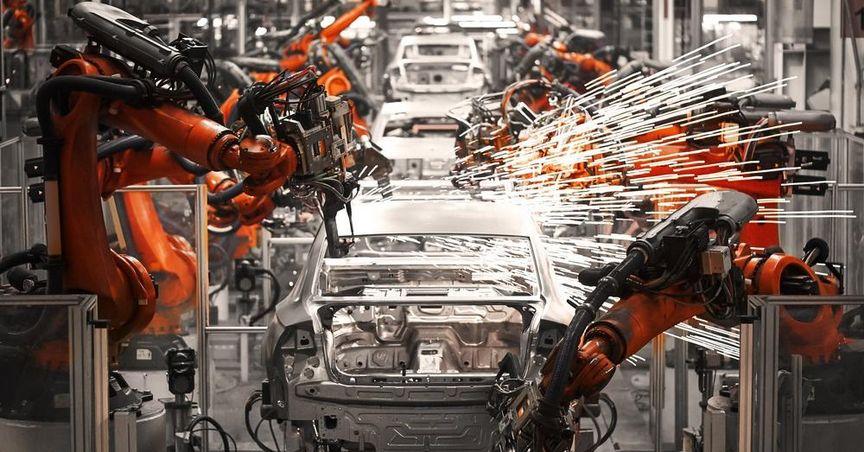
The company maintains an extensive manufacturing footprint across North America, Europe, South America, Asia, and other international markets. Assembly plants, component facilities, engineering centers, and distribution networks support vehicle production and delivery worldwide.
Scale remains a significant characteristic of major automotive manufacturers. Producing vehicles across multiple powertrain categories requires substantial coordination involving suppliers, logistics providers, technology developers, and manufacturing facilities.
Ford's operations encompass vehicle assembly, engine production, battery development activities, and commercial vehicle manufacturing. This broad industrial footprint supports participation across numerous automotive market segments.
Commercial Vehicles and Fleet Solutions
Commercial transportation remains an important part of the business. Vans, trucks, and fleet-oriented vehicles serve businesses involved in logistics, construction, utilities, transportation services, and infrastructure projects.
Demand for commercial vehicles often reflects broader economic activity. Businesses frequently require specialized vehicles capable of supporting delivery services, field operations, maintenance work, and transportation needs.
Connected vehicle technologies have also become increasingly important in commercial applications. Fleet management systems, telematics solutions, and software-enabled services contribute to operational efficiency for business customers.
Automotive Sector Trends
The global automotive industry continues evolving through technological innovation, changing consumer preferences, and shifting mobility requirements. Hybrid vehicles, battery-electric vehicles, connectivity solutions, and advanced driver assistance technologies remain central themes across the sector.
Manufacturers within the Automobile Stocks category are investing in vehicle software, digital services, battery technologies, and production modernization. These developments are reshaping vehicle design and manufacturing processes.
Competition remains active across traditional automakers and newer electric vehicle producers. Product differentiation increasingly involves technology integration, efficiency improvements, connectivity capabilities, and vehicle performance characteristics.
Product Portfolio Diversity
A diverse vehicle lineup continues to support operations across consumer and commercial markets. The company produces pickup trucks, sport utility vehicles, performance vehicles, commercial vans, and electrified models designed to address varying transportation needs.
Pickup trucks remain a prominent segment within the North American market. Utility-focused vehicles continue to attract customers involved in personal transportation, business operations, recreation, and commercial activities.
Sport utility vehicles also represent a substantial portion of automotive demand globally. The segment's versatility and broad consumer appeal have contributed to continued industry expansion.
Technology and Vehicle Development
Automotive technology development extends across vehicle connectivity, software integration, battery systems, and safety features. Modern vehicles increasingly incorporate digital interfaces, cloud-connected capabilities, and advanced monitoring systems.
Research and development activities support ongoing enhancements in vehicle efficiency, electrification, and customer functionality. Manufacturing processes are also evolving through automation, data-driven production systems, and advanced engineering techniques.
As part of the S&P 500 Index , the company reflects broader trends affecting large-scale American manufacturers adapting to technological transformation within transportation markets.
Industry Position Within Major Market Indexes
The automotive sector remains closely linked to manufacturing activity, consumer demand patterns, supply chain conditions, and technological progress. Ford Motor (NYSE:F) occupies a significant position within this landscape through its broad product range and global operational network.
Record hybrid demand highlights the continued relevance of diversified powertrain offerings. Simultaneously, ongoing electrification efforts demonstrate how established manufacturers are adapting to changing transportation requirements.
Within the S&P 500 Index , automotive companies contribute to broader industrial activity through manufacturing, engineering, technology development, and global trade connections.
