
 AUS
AUS
 NZ
NZ
 UK
UK
 CA
CA
 USA
USA
 IND
IND






Highlights
- Ford and General Motors continue advancing hybrid and electric vehicle programs across key North American markets.
- Hybrid demand remains a significant component of vehicle sales as electrification efforts broaden.
- The automobile industry remains closely linked to developments across the Dow Jones and wider manufacturing landscape.
Ford and General Motors balance hybrid demand and electric vehicle expansion, remaining influential automobile manufacturers linked closely to trends across the Dow Jones.
The automobile sector is undergoing a period of transformation as manufacturers balance demand for conventional vehicles, hybrids, and battery-electric models. Within the broader category of Automobile Stocks, established producers continue adapting production networks, supply chains, and product portfolios to accommodate changing consumer preferences and evolving technology requirements. Industry developments are often monitored alongside the Dow Jones, given the importance of automotive manufacturing to the United States industrial economy.
Hybrid Demand Remains a Key Industry Driver
Hybrid vehicles have become an important segment within the automotive market. These models combine internal combustion engines with electric propulsion systems, allowing improved fuel efficiency while maintaining familiar refueling practices. Growing interest in hybrids has influenced production planning across major manufacturers.
Ford (NYSE:F) has reported strong hybrid vehicle demand across several product lines, reflecting broader consumer interest in fuel-efficient transportation. Hybrid offerings have increasingly served as a bridge between traditional vehicle ownership and full electrification, helping manufacturers address multiple customer preferences simultaneously.
The resurgence of hybrids has also influenced competitors throughout the industry. Manufacturers continue allocating resources toward expanded hybrid availability while also developing next-generation battery-electric platforms. This dual-track approach reflects current market conditions in which demand exists across several powertrain categories.
Electric Vehicle Expansion Across Operations
Electric vehicles remain a central area of activity throughout the automobile sector. Manufacturers continue investing in assembly facilities, battery production capabilities, software integration, and charging-related ecosystems. Production scale remains an important operational consideration as companies seek efficiency improvements across manufacturing networks.
General Motors (NYSE:GM) has continued expanding electric vehicle production initiatives through dedicated platforms designed to support multiple vehicle segments. The company has emphasized scalable manufacturing processes intended to support a growing range of electric models across different consumer categories.
Across the industry, battery sourcing and supply-chain development remain significant operational priorities. Manufacturers have worked to secure access to critical materials while establishing long-term production arrangements that support vehicle assembly requirements. These efforts are shaping the pace of electric vehicle deployment across North America and other international markets.
Manufacturing Footprint and Product Diversity
Large automotive manufacturers operate extensive production systems spanning assembly plants, component facilities, engineering centers, and distribution networks. Product diversity remains a defining characteristic of established producers, which often offer trucks, sport utility vehicles, commercial vehicles, passenger cars, hybrids, and electric models.
The breadth of these operations allows manufacturers to participate in multiple vehicle categories while responding to changes in demand. Production flexibility has become increasingly important as companies balance conventional vehicle output with electrified offerings.
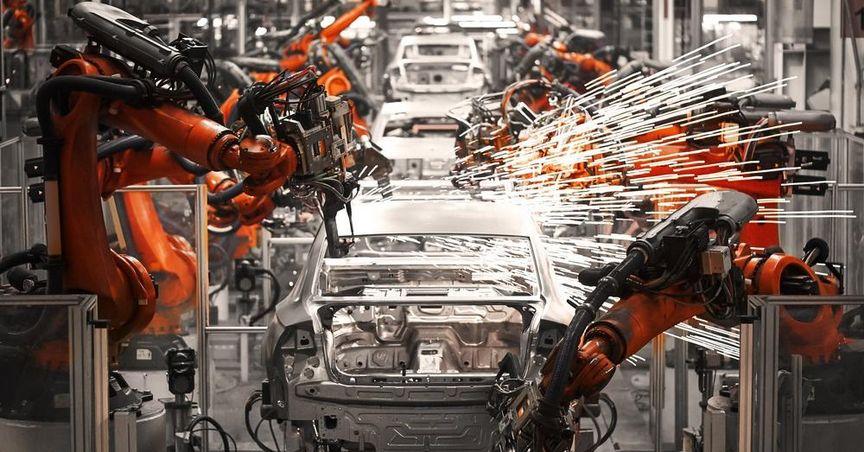
Vehicle manufacturers also continue modernizing facilities through automation, digital monitoring systems, and advanced manufacturing technologies. These initiatives support production efficiency and help manage increasingly complex product portfolios that include multiple propulsion technologies.
Industry Trends Shaping Automobile Stocks
Several trends continue influencing the direction of Automobile Stocks. Electrification remains a long-term industry theme, supported by ongoing vehicle launches and battery technology development. At the same time, hybrid adoption has demonstrated that consumers continue seeking alternatives that combine efficiency with familiar operating characteristics.
Software integration has become another important area of development. Modern vehicles increasingly incorporate connectivity features, driver-assistance technologies, and digital services. Manufacturers are investing in software capabilities alongside traditional engineering functions as vehicle technology evolves.
Supply-chain resilience has also gained importance. Semiconductor availability, battery material sourcing, and logistics efficiency remain factors influencing production planning throughout the industry. Manufacturers continue adapting procurement and inventory practices to support stable operations.
Market Environment and Industrial Activity
Automotive companies operate within a broader economic and industrial framework that includes manufacturing activity, consumer spending patterns, and financing conditions. Developments affecting industrial production frequently influence the sector due to its extensive supply chains and workforce requirements.
Because automotive manufacturing represents a significant component of industrial activity, sector developments are often discussed alongside movements in the Dow Jones. Changes in vehicle demand, factory utilization, and production output can contribute to broader assessments of manufacturing performance.
Energy markets also remain relevant to vehicle demand patterns. Fuel costs, infrastructure development, and evolving transportation technologies continue influencing purchasing behavior across conventional, hybrid, and electric vehicle categories.
Operational Priorities Across the Sector
Manufacturers continue focusing on production efficiency, product quality, and technology integration. Balancing established vehicle programs with expanding electrification efforts requires coordination across engineering, procurement, manufacturing, and distribution functions.
Ford (NYSE:F) continues maintaining a broad portfolio that includes trucks, utility vehicles, hybrid models, and battery-electric vehicles. The company’s manufacturing scale and extensive dealer network remain central elements of its operational structure.
Similarly, General Motors (NYSE:GM) operates across multiple vehicle segments while continuing work on electric vehicle deployment and battery-related initiatives. The company maintains a diversified brand portfolio serving a range of consumer and commercial markets.
As industry transformation continues, manufacturers remain engaged in facility modernization, product development, and supply-chain management activities designed to support evolving transportation requirements. These developments ensure that the automobile sector remains an important component of industrial activity and a closely followed area within the broader Dow Jones landscape.
