
 AUS
AUS
 NZ
NZ
 UK
UK
 CA
CA
 USA
USA
 IND
IND

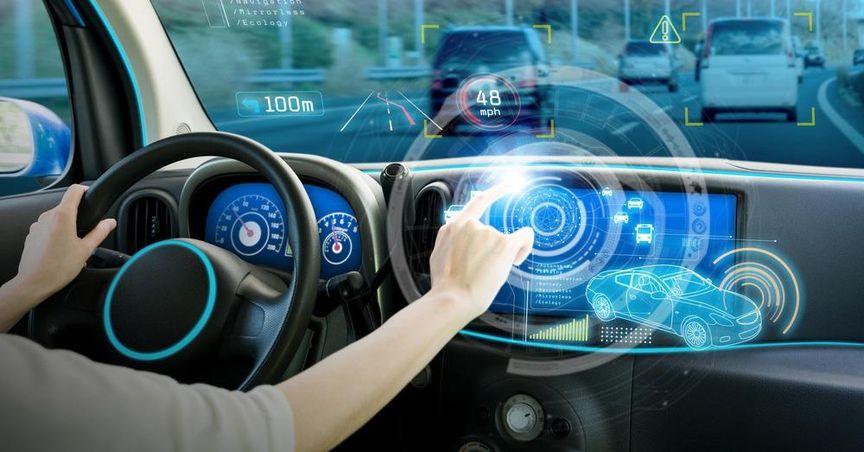





- Electric truck production continues expanding across key manufacturing facilities.
- Broader automobile operations combine traditional vehicle lines with electric models.
- Manufacturing capacity and dealer network remain central operational strengths.
The automobile sector remains an important part of the S&P 500, with Ford Motor Company (NYSE:F) continuing to expand electric vehicle production while maintaining one of the industry's largest portfolios of trucks, sport utility vehicles, commercial vehicles, and passenger automobiles. The company is widely associated with Automobile Stocks, supported by an extensive manufacturing network, established dealer relationships, and operations spanning North America, Europe, South America, the Middle East, and Asia-Pacific. Recent attention has focused on electric truck production alongside broader manufacturing activity across conventional and battery-powered vehicles.
Electric Truck Production Continues Expanding
Electric trucks remain one of the company's major product development priorities. Production has continued across manufacturing facilities supporting battery-electric pickup models intended for retail and commercial customers.
Unlike passenger electric vehicles, electric trucks require engineering focused on towing capability, payload capacity, durability, and extended operating performance. Development therefore includes battery technology, electric drive systems, chassis engineering, thermal management, and advanced vehicle software.
Production facilities have gradually increased manufacturing volumes while refining assembly processes, component integration, and quality controls supporting electric vehicle output.
Within the S&P 500, automotive manufacturers continue expanding electric vehicle capacity alongside traditional vehicle production as industry technologies evolve.
Broad Product Portfolio Supports Multiple Markets
The company manufactures a diverse range of vehicles including pickup trucks, sport utility vehicles, vans, commercial vehicles, performance cars, and electric models. The F-Series pickup family remains one of its best-known product lines, serving individual consumers, construction businesses, agricultural operators, and commercial fleets.
Commercial vehicle operations also include Transit vans and fleet management solutions supporting logistics, delivery, telecommunications, utility companies, and government agencies.
Electric vehicle offerings complement conventional internal combustion engine models, allowing production across multiple customer segments while responding to changing transportation technologies.
Manufacturing Network And Capacity Development
Manufacturing facilities operate across numerous countries, producing vehicles, engines, transmissions, batteries, and automotive components. Assembly plants coordinate closely with suppliers providing semiconductors, steel, aluminum, batteries, electronics, and specialized automotive systems.
Electric vehicle expansion has involved upgrading existing manufacturing sites alongside investments in battery production and dedicated electric vehicle assembly capabilities. Production planning requires balancing conventional vehicle demand with increasing electric vehicle manufacturing capacity.
Factory modernization also includes automation, digital quality monitoring, robotics, and advanced production technologies supporting manufacturing efficiency.
Dealer Network And Customer Support
A large dealer network continues supporting vehicle sales, maintenance, servicing, warranty work, financing services, and replacement parts. Dealers remain an important connection between manufacturing operations and retail customers throughout numerous domestic and international markets.
Electric vehicle servicing has introduced additional technical training covering battery systems, charging equipment, software diagnostics, and high-voltage electrical systems. Service infrastructure continues evolving alongside vehicle technology.
Commercial fleet customers also receive specialized support through fleet maintenance, telematics, connected vehicle services, and commercial vehicle management programs.
Supply Chain And Vehicle Components
Vehicle manufacturing depends upon extensive international supply chains covering batteries, semiconductor chips, wiring systems, metals, electronic modules, glass, tires, and interior components.
Supply chain diversification has become increasingly important across the automotive industry as manufacturers coordinate production schedules with suppliers operating across multiple countries.
Battery production, raw material sourcing, and component availability continue supporting expansion of electric vehicle manufacturing while maintaining production across conventional vehicle lines.
Industry Developments Across The Automobile Sector
Automotive manufacturers continue adapting to changing transportation technologies, connected vehicle systems, electrification, software integration, and digital mobility services. Research activities include battery chemistry, charging technologies, autonomous driving systems, vehicle connectivity, and advanced driver assistance features.
Commercial fleet electrification has also become an expanding area as businesses evaluate electric delivery vehicles, utility trucks, and municipal transportation fleets.
Within the S&P 500, established automobile manufacturers continue balancing long-standing combustion vehicle production with expanding electric vehicle development. Ford Motor Company (NYSE:F) remains active across passenger vehicles, commercial transportation, electric trucks, manufacturing, engineering, and mobility technologies through its global automotive operations.
