
 AUS
AUS
 NZ
NZ
 UK
UK
 CA
CA
 USA
USA
 IND
IND






Highlights
- Energy company engaged in bituminous coal production and terminal operations
- Recent trading activity reflects heightened market attention
- Dividend declaration and institutional participation remain key developments
Core Natural Resources features coal mining operations, export logistics, trading movement, and dividend updates while maintaining presence in the NYSE Composite index.
Core Natural Resources operates within the energy sector, concentrating on coal production and related logistics infrastructure. Listed on the NYSE Composite, the company represents a component of the diversified U.S. equity landscape. Core Natural Resources conducts mining, preparation, and distribution of bituminous coal to domestic and international markets, serving power generators and industrial customers.
Operational Structure and Mining Assets
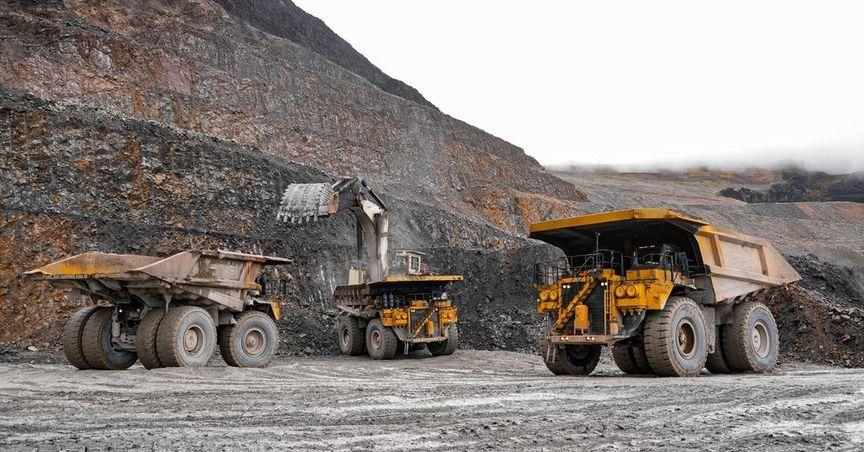
Core Natural Resources (NYSE:CNR) manages coal extraction through its Pennsylvania Mining Complex, which includes multiple underground mines and a centralized preparation facility. These operations focus on producing bituminous coal used for electricity generation and metallurgical applications. Mining processes involve extraction, processing, and transportation, ensuring product specifications meet contractual standards.
In addition to mining, the company operates a marine terminal segment responsible for storage and export logistics. The terminal facilitates coal shipment to global customers, integrating rail and port infrastructure. This dual-segment model connects production with distribution channels, reinforcing supply chain continuity across regional and overseas markets.
Recent Trading Activity
Shares of Core Natural Resources experienced an upward movement during a recent trading session, accompanied by a volume level below the typical daily average. Such fluctuations often occur in response to earnings releases, sector sentiment, or broader commodity trends. Within the nyse composite index, energy constituents may respond to shifts in coal demand, export flows, and fuel substitution dynamics.
Market participation during the session reflected active engagement from traders monitoring commodity-linked equities. While volume levels remained lighter than historical averages, the share movement drew attention within energy-focused portfolios.
Financial Performance Overview
Quarterly results indicated earnings per share below consensus expectations, despite revenue growth compared with the prior-year period. Revenue expansion reflected increased shipment volumes and pricing dynamics within coal markets. However, net margin and return measures remained under pressure during the reporting period.
Operating expenses, including production costs and transportation charges, contributed to bottom-line outcomes. Coal producers often face variability related to input costs, regulatory compliance, and demand cycles across power generation and metallurgical sectors.
Core Natural Resources (NYSE:CNR) also announced a quarterly dividend payable to shareholders of record as of a designated date. Dividend declarations form part of capital distribution practices within the company’s financial framework. Payout levels relative to earnings remain an important metric observed by market participants assessing sustainability.
Institutional Participation and Ownership Trends
Institutional entities account for a substantial portion of outstanding shares in Core Natural Resources (NYSE:CNR) . Public filings reveal both new allocations and position adjustments by asset management firms and advisory groups. Portfolio rebalancing within energy and commodity segments frequently drives such changes.
Institutional engagement can influence liquidity patterns, particularly for companies operating in cyclical industries such as coal. Shifts in allocation strategies often correspond with broader energy market developments, export demand trends, and macroeconomic factors influencing fuel consumption.
Industry Environment and Coal Market Dynamics
The coal industry operates within a complex framework shaped by power generation needs, steel production demand, and environmental regulations. Bituminous coal remains an input for electricity generation and metallurgical processes, particularly in regions where alternative energy sources remain limited.
Export markets play a significant role in balancing domestic production levels. Marine terminal infrastructure, such as that managed by the company, enables access to international buyers. Transportation logistics, including rail connectivity and port capacity, are essential components of coal distribution.
Energy transition initiatives and regulatory standards continue to influence demand patterns. Producers must navigate evolving environmental requirements while maintaining operational efficiency. Commodity cycles can affect shipment volumes and revenue variability across reporting periods.
Position Within the NYSE Composite
As part of the NYSE Composite, Core Natural Resources (NYSE:CNR) reflects the presence of traditional energy companies within a diversified index. Energy constituents contribute to sector representation alongside technology, healthcare, industrial, and consumer companies. Movements in coal-related equities often align with commodity pricing trends and macroeconomic developments impacting energy consumption.
Trading sessions marked by increased attention highlight the interaction between company-specific developments and broader index movements. Participation in the NYSE Composite connects the company with index-tracking funds and diversified equity allocations across U.S. markets.
