
 AUS
AUS
 NZ
NZ
 UK
UK
 CA
CA
 USA
USA
 IND
IND

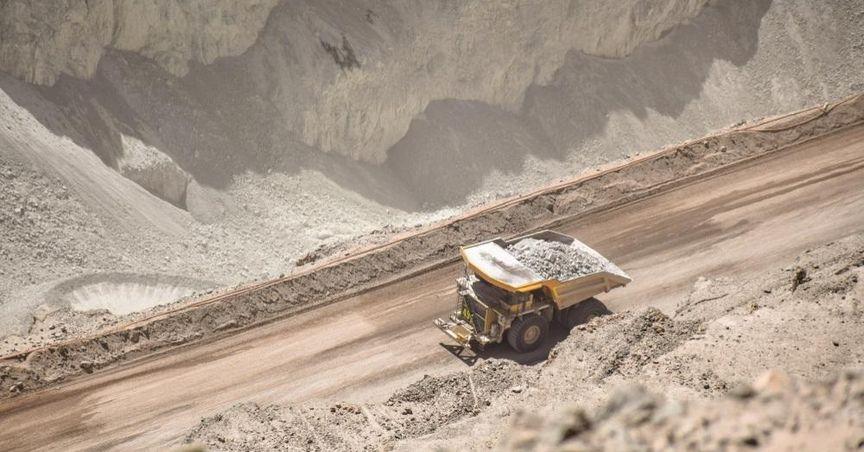





Highlights
Representative Lisa C. McClain reported a transaction involving BHP Group within a retirement account structure.
Activity surrounding BHP Group occurred alongside various corporate moves across Basic Materials and other market categories.
Market movements aligned with broader shifts across major indices such as the NYSE Composite and the S&P 500.
Comprehensive coverage of BHP Group’s corporate activity and Basic Materials operations, including disclosures, institutional involvement, and global resource functions.
The Basic Materials sector encompasses companies engaged in the extraction and processing of essential natural resources used across industrial applications. BHP Group operates within this broad field through large-scale resource activities centered on copper, iron ore, coal, and related commodities. The company functions through global distribution channels touching multiple regions across several continents. Its operational model places emphasis on mineral extraction, refining processes, and international logistics that support industrial supply chains.
BHP Group participates in international trading activity through its listing on the New York Stock Exchange, referenced once here as (NYSE:BHP). Its visibility within major financial environments connects its performance and operational footprint to the behavior of well-known indices, including the Dow Jones Industrial Average as well as the Nasdaq Composite. These market indicators are frequently monitored across the Basic Materials landscape due to the sector’s role within manufacturing, infrastructure, and global export chains.
BHP Group maintains an organizational presence structured through dedicated business units focused on copper extraction, iron ore operations, and coal-related activities. These segments allow the company to operate across a diverse range of mineral markets. Activities span from asset-heavy mining environments to export facilities that connect resource output with global commercial networks. This multi-layered model contributes to the company’s relevance within discussions around natural resource availability, foreign trade partnerships, and industrial demand cycles across numerous regions.
The Basic Materials sector often intersects with economic themes such as global construction, manufacturing output, and commodity-driven production cycles. Companies within this space, including BHP Group, remain embedded within supply frameworks that serve energy production, electronics manufacturing, transportation equipment, and raw-material-intensive industries. Their operations frequently involve multinational activities influenced by exchange markets, regional agreements, and cross-border resource initiatives.
Corporate Developments Surrounding Disclosed Activity
Recent disclosures reflect that Representative Lisa C. McClain recorded a transaction involving BHP Group within a retirement-based account. This filing appeared alongside a series of other activity entries associated with multiple corporations across diverse sectors, ranging from technology to consumer staples. These filings documented activity on consecutive days involving holdings in CIEN, BABA, COHR, CLX, NTRS, HMC, HOMB, FIVE, PSTG, and BHP itself. Each transaction followed formal reporting requirements used for transparency within public office disclosures.
Retirement-account activity often follows structured portfolio management processes in which account holders adjust positions based on personal financial organization rather than public commentary on corporate direction. This type of reported movement does not convey statements regarding the future condition of any company and reflects only administrative changes within designated account categories.
The inclusion of BHP Group among these reported entries highlights the company’s continued visibility across a wide range of investor profiles who participate in market activity through professionally managed or self-directed financial accounts. Recorded disclosures provide information about account adjustments but do not convey motives, projections, evaluations, or strategic viewpoints. Each filing functions within ethical and legal reporting guidelines applicable to federal officeholders.
Market Characteristics and Operational Structure of BHP Group
BHP Group functions through global operations that involve extraction sites, processing facilities, transportation logistics, and export frameworks. Activities revolve around copper deposits, iron ore reserves, coal locations, and related mineral resources. Mineral extraction requires intensive labor systems, engineering oversight, environmental compliance structures, and regional partnerships. These activities enable processed materials to reach customers in manufacturing, infrastructure development, energy production, and heavy-industry applications.
The copper segment includes operations across regions known for established mineral belts. Copper serves essential roles in electrical applications, construction materials, power systems, and industrial wiring infrastructure. Iron ore serves as the backbone of steel production and underpins industries such as construction, automotive manufacturing, shipbuilding, and machinery assembly. Coal segments include metallurgical and energy coal used in industrial-level furnaces and power generation systems.
BHP Group’s organizational approach often integrates sustainability standards, operational safety frameworks, and long-term site stewardship programs to comply with regional regulations. Resource companies routinely implement governance structures to monitor site restoration, water management systems, emissions handling, workforce safety standards, and community-impact frameworks.
The company’s participation in the global marketplace connects with extensive shipping routes, port facilities, and commodity distribution channels. These structures involve multinational trading agreements, foreign port access, shipping logistics, and commercial relationships across continents. BHP Group has built a broad footprint across countries in Asia, Europe, the Americas, and Australia. This geographic spread contributes to its presence within the international Basic Materials ecosystem, where it interacts with global commodity flows, regional industrial output, and international regulatory frameworks.
Market activity involving BHP Group often reflects broader conditions in commodity-related trade flows. Movements in copper, iron ore, and coal markets may correlate with economic cycles related to construction volume, manufacturing intensity, and large-scale infrastructure demands. Industrial expansions typically require resource inputs that trace back to companies operating within this sector.
Institutional Activity and Broader Market Context
Institutional participation within BHP Group includes positions held by a range of asset management organizations, trust companies, advisory firms, and other professionally managed entities. These organizations maintain portfolios that feature diversified holdings across sectors such as Basic Materials, consumer products, technology, and financial services. Their holdings may change as part of allocation strategies designed to maintain diversification principles, sectoral balance, or internal portfolio structures.
Examples of institutional adjustments involving BHP Group have appeared across various filings, showing activity by entities such as asset management firms, trust organizations, and wealth-management groups. Adjustments include entries from groups that initiated involvement within recent periods or increased positions within existing accounts. Institutional ownership encompasses only a small portion of the broader market presence, as BHP maintains a large global footprint with diversified shareholder categories.
The presence of BHP Group within broad-based indices highlights the company’s role within the global economic landscape. Market observers frequently track activity relative to indices such as the Russell 1000 and the NYSE Composite, which contain a variety of companies across multiple industries. These indices serve as benchmarks that reflect overall sentiment, sector distribution, and market movement. BHP Group’s listing contributes to the representation of the Basic Materials field within these index environments.
Institutional involvement reflects only holdings and does not convey views, judgments, or expectations regarding market direction or company direction. Financial institutions routinely reallocate assets for reasons related to portfolio balancing, regulatory requirements, internal structuring, or administrative account adjustments.
BHP Group’s Corporate Background and Global Functions
BHP Group’s historical development spans extensive periods of resource extraction, infrastructure expansion, and multinational growth. The company’s presence across continents has positioned it within supply chains tied to global manufacturing output and industrial production cycles. Its corporate model involves mining, refining, and distributing strategic minerals that support industries including technology manufacturing, energy infrastructure, construction frameworks, and heavy industrial equipment.
Operational activities include the extraction of copper, uranium, zinc, molybdenum, silver, and cobalt in addition to its well-known iron ore and coal divisions. These materials serve as foundational components for electronics, power grids, industrial machinery, structural frameworks, and advanced manufacturing systems.
BHP Group engages in international trade partnerships shaped by agreements between countries, logistics networks, and cross-border industrial demand. Its presence across multiple regions promotes connectivity with markets in Asia, Europe, North America, and South America. This breadth contributes to its recognition within commercial discussions related to resource availability, supply chain dynamics, and industrial inputs.
The company implements internal protocols related to safety, operational efficiency, environmental practices, and regulatory compliance. Mining operations require extensive coordination between engineering teams, environmental specialists, legal departments, and community-engagement representatives. These frameworks guide extraction practices, tailings management, water-use policies, rehabilitation procedures, and workplace standards.
The Basic Materials sector often interacts with evolving market conditions related to global manufacturing needs, regulatory policies, and resource accessibility. BHP Group remains positioned within these interconnected systems through its array of extraction sites, export channels, and international relationships. Its functions span multiple resource categories, making it a notable participant within the global resource ecosystem.
