
 AUS
AUS
 NZ
NZ
 UK
UK
 CA
CA
 USA
USA
 IND
IND






Highlights
- Aerospace-focused operations continue driving attention around the company
- Commercial aviation recovery remains an important industry theme
- Engine manufacturing and long-term service activities support global airline operations
GE Aerospace continues attracting attention through its aircraft engine operations, aviation services, and role within commercial and defense aerospace markets.
General Electric Company (NYSE:GE), now operating as GE Aerospace, remains one of the most influential participants in the global aerospace industry. Following its transformation into a focused aviation business, the company has strengthened its position within commercial and defense aerospace markets through aircraft engine manufacturing and long-term service operations. Recent market attention has centered on operational performance, aviation demand trends, and the company's role within major U.S. equity benchmarks, including the S&P 500.
How Does The Aerospace Industry Support Global Transportation?
The aerospace industry serves as a critical foundation for global transportation, connecting people, businesses, and economies through commercial and defense aviation networks. Aircraft manufacturers, engine producers, and aerospace suppliers collectively support one of the world's most complex industrial ecosystems.
Commercial airlines rely on advanced propulsion systems, maintenance support, and engineering expertise to maintain fleet operations. Aerospace companies therefore play an essential role in ensuring reliability, safety, and operational efficiency across international aviation markets.
The industry's significance extends beyond transportation, influencing manufacturing, technology development, defense capabilities, and international trade.
As global travel activity continues evolving, aerospace companies remain closely connected to broader economic and industrial trends.
How Does The Company Generate Business Activity?
General Electric Company (NYSE:GE) generates business activity through the design, manufacture, servicing, and maintenance of aircraft engines and related aerospace systems. Its operations support both commercial aviation customers and defense organizations across multiple regions.
Engine manufacturing remains a core component of the business. These products power a wide range of aircraft used by airlines and military operators around the world.
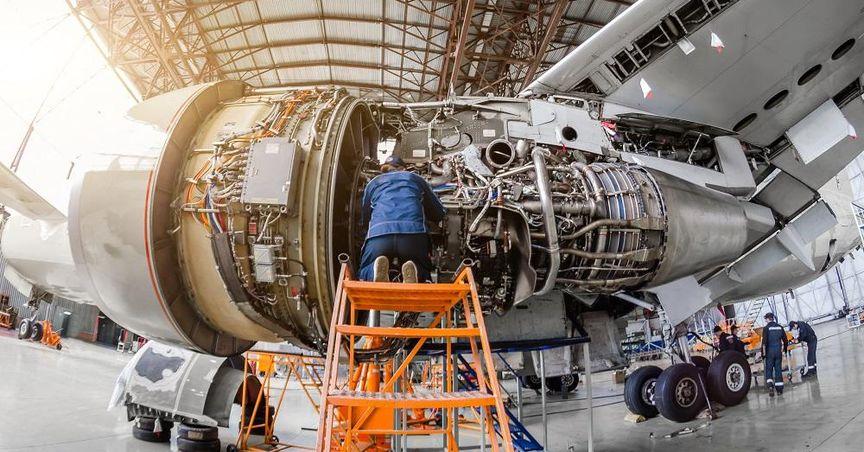
The company also derives substantial activity from long-term service agreements associated with installed engine fleets. These arrangements involve maintenance, repairs, upgrades, and ongoing technical support throughout an engine's operational lifecycle.
This combination of equipment production and service-related activity creates a business model closely tied to long-term aviation demand.
Why Is Commercial Aviation So Important To The Business?
Commercial aviation remains a major driver of aerospace activity. Airlines depend on efficient and reliable engines to support passenger and cargo transportation across domestic and international routes.
Fleet expansion and aircraft replacement programs influence demand throughout the aerospace supply chain. As airlines modernize operations, engine manufacturers often benefit from both equipment demand and associated service requirements.
Air travel activity also influences maintenance needs because engines require ongoing support throughout their operational lifespan. This relationship creates a connection between aviation utilization and aftermarket services.
The importance of commercial aviation makes industry developments particularly relevant for aerospace manufacturers.
How Do Long-Term Service Agreements Support Operations?
Long-term service arrangements represent a significant feature of the aerospace industry. Aircraft engines typically remain in service for extended periods, requiring continuous maintenance and technical support.
Service agreements help airlines manage operational requirements while providing manufacturers with ongoing engagement throughout the life of an engine program. These activities can include inspections, component replacement, performance enhancements, and technical assistance.
The long operational life of aerospace equipment means service-related activities often continue for many years after initial engine delivery.
This structure contributes to the industry's emphasis on lifecycle support and customer relationships.
What Trends Continue To Shape Aerospace Markets?
Several major trends continue influencing aerospace markets. Commercial air travel remains a key driver as airlines seek to support passenger demand and optimize fleet performance.
Fleet modernization programs continue attracting attention as operators pursue newer aircraft equipped with advanced propulsion systems. These initiatives support demand for both engines and related maintenance services.
Technological innovation remains another important theme. Aerospace companies continue developing solutions designed to improve efficiency, durability, and operational performance.
The industry's focus on advanced engineering continues shaping research and manufacturing priorities.
How Does Defense Aviation Contribute To Industry Activity?
Defense aviation represents another important segment of the aerospace market. Military organizations rely on aircraft, propulsion systems, and related technologies to support operational readiness and mission requirements.
Engine manufacturers often participate in defense programs involving fighter aircraft, transport platforms, helicopters, and specialized aviation systems. These activities complement commercial aviation operations and broaden market participation.
Defense programs frequently involve long-term development and support arrangements, contributing additional operational stability across the aerospace sector.
Participation in both commercial and defense markets remains a common characteristic of large aerospace companies.
What Challenges Continue To Affect Aerospace Companies?
Aerospace companies operate within a highly specialized environment that requires advanced engineering expertise, precision manufacturing, and extensive quality assurance processes.
Supply chain coordination remains an important consideration because aircraft programs depend on contributions from numerous suppliers and manufacturing partners. Changes affecting production schedules can influence activity across the industry.
Workforce development, technological advancement, and operational efficiency also remain ongoing priorities. Aerospace organizations continuously invest in capabilities designed to support evolving customer requirements.
These factors contribute to a dynamic and technically demanding operating environment.
Why Does Aerospace Remain A Strategic Industry?
Aerospace remains strategically important because it supports transportation networks, defense capabilities, technological innovation, and industrial development. The sector influences numerous areas of economic activity while fostering advancements in engineering and manufacturing.
Aircraft engine technology represents one of the industry's most sophisticated fields, requiring continuous innovation and long-term operational support. Companies operating in this space often maintain deep technical expertise developed over decades.
The strategic importance of aviation ensures ongoing attention from governments, airlines, defense organizations, and industrial participants worldwide.
This significance continues positioning aerospace as a key global industry.
What Continues To Shape Discussion Around The Company?
General Electric Company (NYSE:GE) remains closely associated with developments affecting commercial aviation, defense aerospace, and aircraft engine technology. Recent attention has focused on operational performance and the company's evolution into a dedicated aerospace business.
Industry observers continue monitoring airline activity, fleet modernization initiatives, and aerospace manufacturing trends. The company's extensive installed engine base and global customer relationships keep it connected to many of the sector's most important themes.
As aviation markets continue evolving, attention is likely to remain focused on engine production, service operations, and broader developments influencing global aerospace activity. The company also remains a prominent component of the S&P 500, reflecting its significance within the broader U.S. market.
