
 AUS
AUS
 NZ
NZ
 UK
UK
 CA
CA
 USA
USA
 IND
IND






Summary
- The first week of November has seen a surge of 60 per cent in online sales
- Though in-store sales are estimated to see a decline, an unprecedented growth rate in the online sales are expected this holiday season
- The increase in online shopping is prompting the retailers to keep their shelves fully stocked for Christmas
Apart from the health concerns, there has been great worry about how the Covid-19 will impact the economy across the globe. The pandemic has brought a lot many changes in the perception of people and the businesses. The uncertainty persisting around the coronavirus pandemic has affected the shopping habits of the consumers this festive season beyond the shift to e-commerce.
There are many consumers who will be spending less this year, while others are stressing about their ability to afford gifts this year because of the present situation of the UK economy because of the response to the pandemic. Brick-and-mortar, B2B, B2C and e-commerce brands are analysing the impact that coronavirus will have on their business. Brands that have been providing facilities such as layaway and “buy now, pay later” might witness a boost in sales this Christmas.
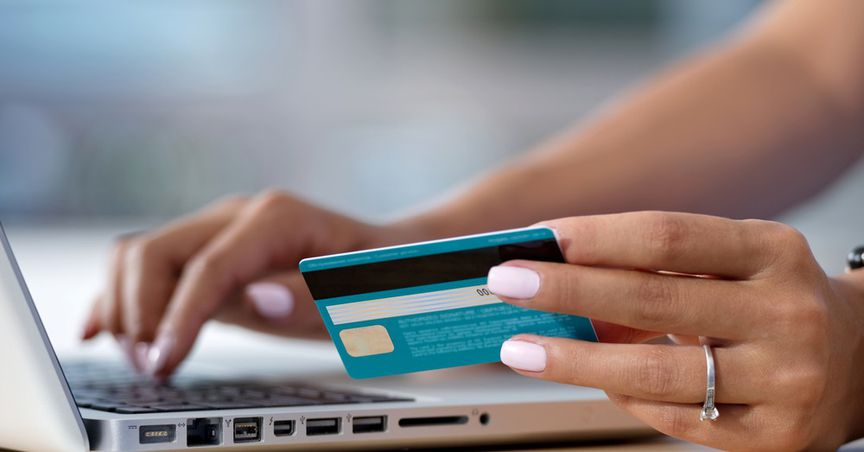
It is being projected that the spending on Britain's Black Friday discount shopping day might break the record of the previous year, with the prominence of online business this year. Consumers who are looking for the best deals are expected to focus more on online offers rather than visiting stores. According to the findings of a new report, the combination of lockdown restrictions and Black Friday discounts will probably result into making November a record-breaking month for online spending in the UK, with 60 per cent increase expected in the online sales.
With England facing the second lockdown restrictions and shut down of non-essential shops and Scotland also witnessing partial closing at the end of this week, household names such as Currys PC World and Debenhams are adopting certain strategies to encourage the shoppers. They have started cutting prices to prevent the high street catastrophe in December.
The month of November indicates an impressive growth in the online retail according to the internet industry body IMRG, which said that the online sales had increased 61 per cent in the first week of November as compared with the same period in the previous year.
The Strategy and Insight Director of IMRG, Andy Mulcahy said that Black Friday week, (beginning from 23 November 2020) have always been big in terms of sales but with the existence of pandemic this year, the retailers need to motivate the shoppers to shop early. More than one in 10 retailers out of 320 (which are monitored by the IMRG) have already launched their Black Friday campaigns in the passing week in comparison with roughly 4 per cent in 2019.
According to a report of the Centre for Retail Research for Vouchercodes.co.uk, shoppers are expected to spend £7.5 billion in the Black Friday discount extravaganza, and the retailers mainly focus on the final weekend of November. The estimated sales are 12 per cent less than in 2019, driven by particularly due to the store closures during lockdown.
Most Recent E-Commerce Trends in the UK
While shopping for essential items such as groceries, it has been seen that the shoppers in the UK spend about five times more when shopping online rather than in a brick and mortar store. Retailers should consider this trend as an opportunity rather than a threat. Experts believe that the rise in e-commerce should sense it a way to increase revenues. However, traditional retailers consider digitisation as a threat as it takes over.
Various surveys have found that Britons are spending more online for making repeat purchases. It has appeared that online shoppers in other countries spend approximately double what they spend online in comparison with them spending in a store. Talking about consumers in the UK, they have the tendency to shop around 5 times as much online.
Retailers can make the most of this trend by encouraging online shopping. The countries where retailers have established online presence and embraced online shopping, it has been working well for them. Additionally, shoppers who shop in stores are not as loyal as online shoppers.
Tesco PLC (LON: TSCO), the largest retailer in UK, followed by J Sainsbury PLC (LON: SBRY) has been doing well with the introduction of the online business.
Tesco witnessed a 6 per cent increase in the online sales at the actual rate in the first half-year period. With an increase in sales, the company increased its online delivery capacity by more than 50 per cent to 1.5 million slots a week. It presently serves 674,000 customers.
Stock Performance
On 18 November 2020, at the time of writing, 1:10 PM, TSCO shares were hovering at GBX 229.40, 0.35 per cent higher than the closing price of GBX 228.60 on 17 November 2020. It had a total market capitalisation of £22,387.93 million.
Interesting Read: Lens on Tesco And J Sainsbury As UK Retail Sales Growth Hits Highest Since April 2019
In the half-year ending 19 September 2020, the online sales of Sainsbury’s increased 117 per cent to £5.8 billion, constituting almost 40 per cent of total sales. Online sales for groceries were also up 102 per cent.
Stock Performance
On 18 November 2020, at the time of writing, 1:21 PM, SBRY shares were hovering at GBX 214.80, 0.89 per cent higher than the closing price of GBX 212.90 on 17 November 2020. It had a total market capitalisation of £4,734.96 million.
Also Read : Are Sainsbury’s 2020 Christmas Advert Racist?
What more can be done-
- By making the experience interesting, fun and easy for the shoppers, the retailers can generate maximise revenue from online shopping.
- Offering same-day delivery can be an attractive option to clients, and making the most from the tendency to shop on impulse can be profitable. This could help retailers in grabbing a large portion of the market share.
- Providing click and collect service is another option, which is becoming immensely popular amongst online shoppers.
