
 AUS
AUS
 NZ
NZ
 UK
UK
 CA
CA
 USA
USA
 IND
IND

.jpg)




Highlights
- According to the report published by Public Account Committee, trade between UK and EU has been knocked by Brexit and has increased the costs for businesses.
- The UK left the EU to support its businesses by maximising their productivity. But it faced many roadblocks due to new border rules and regulations.
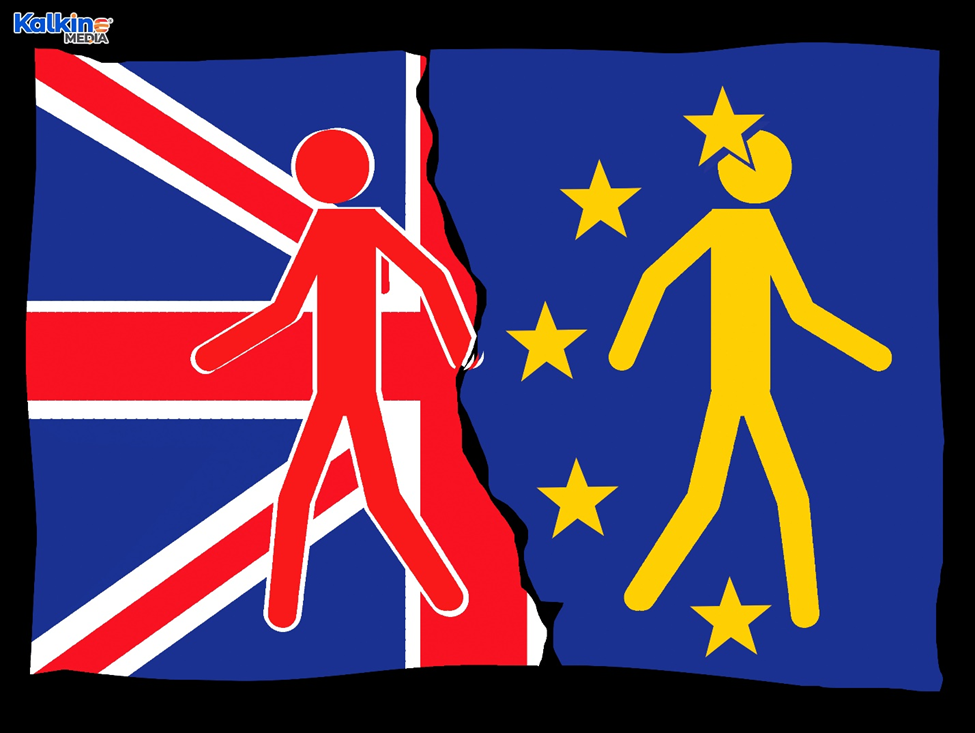
This is so news that the United Kingdom faced a double blow after its exit from the European Union (EU) on 31 January 2020. On one hand, the businesses were entangled in new regulations and restrictions, on the other hand, Covid-19 affected its economy tremendously. The combined catastrophic effect has made it difficult for the UK economy and businesses to recover as trading across the EU has become difficult and costly.
According to the report published by the cross-party Public Account Committee, trade between the UK and EU was knocked out by Brexit new rules and regulations, especially border checks that increased the business costs. For trading goods, UK businesses are now required to apply for an Economic Operator Registration and Identification number (EORI) and other permits under new TCA rules. All this has increased the costs for businesses, paperwork, and border delays.
The UK left the EU to support its businesses by maximising their productivity and their contribution to the economy. But rather than opportunities, the road was bumpy and full of challenges for the businesses.
© 2022 Kalkine Media®
In 2019, HM Revenue and Customs (HMRC) estimated that the burden of extra cost for trade from the UK to the EU after Brexit would add up to £15 billion per year. Recently, the HMRC said that the additional costs burden might be less than what they had estimated before.
Currently, the Boris Johnson government is offering £20 million Brexit support fund to small and medium sized businesses.
Though it is not yet clear in term of numbers to what extent the trade between the UK and the EU has been affected but the control over the trading of goods has affected international trade flows, besides have added extra costs for UK businesses.
But on its part, the Boris Johnson government has said that after Britain formally left the EU in January 2020, it has reframed the immigration laws and inked independent trade deals.
In its recommendations, the committee has highlighted that the government should make efforts to reduce the cost burden on businesses. The government should identify and quantify the additional costs businesses are facing, look for flexible ways to reduce costs and administrative burden for traders, give enough support to small and medium-sized businesses so that they can face the cost burden and other requirements.
Also Read: Will Brexit continue to bother UK businesses in 2022?
How did Brexit affect businesses?
Almost every industry in the UK was affected by Brexit and pandemic, which potentially impacted the economy, along with other problems like shortage of fuel, shortage of migrant and skilled workers, supply chain crisis, and increasing energy bills. However, some industries such as manufacturing, retail, hospitality and catering, financial services, Transportation, Healthcare and food and agriculture industries are more impacted than others.
© 2022 Kalkine Media®
Also Read: 5 stocks affected as Brexit and Omicron hit UK exports
- Hospitality and Catering
The Hospitality industry was hit hardest due to the pandemic and Brexit as it is more dependent on European workers. The sector employed over 400,000 migrant workers. But due to new immigration restrictions, the industry lost its workforce.
The industry usually runs on an extremely tight margin and due to the pandemic, it saw more closures and layoffs. The sector is still struggling as the businesses can’t afford to offer higher salaries and recruitment bonuses to attract workers. The staff shortage has led to a wider supply chain crisis, which has further affected the restaurants, bars and eateries, and businesses related to these establishments.
- Retail
The shortage of HGV divers in the UK affected almost every industry, but the high-street shops and online distributors were affected the most. The shortage of HGV drivers put more pressure on the supply chain and led to a surge in prices of goods and empty shelves in stores.
- Manufacturing
The manufacturing industry of the UK largely relies on imports and exports and was obviously hit by the rising cost burden and trade barriers. Since the UK’s exit, the trade between the UK and the EU has fallen massively. The manufacturing industry is largely dependent on the EU as nearly half of manufactured goods go to and come from the EU.
Also Read: How Brexit has affected UK in last one year
- Financial Services
After Brexit, many financial service businesses were required to relocate their operations and assets in the EU and mandate local registration and licensing to conduct business in the EU. Major banks in the UK moved their hundreds of employees from UK to other EU member countries. This is because Brexit ended overseas working and passport rights for financial businesses, which permitted them to register in one of the EU countries to operate in the other.
