
 AUS
AUS
 NZ
NZ
 UK
UK
 CA
CA
 USA
USA
 IND
IND




Highlights
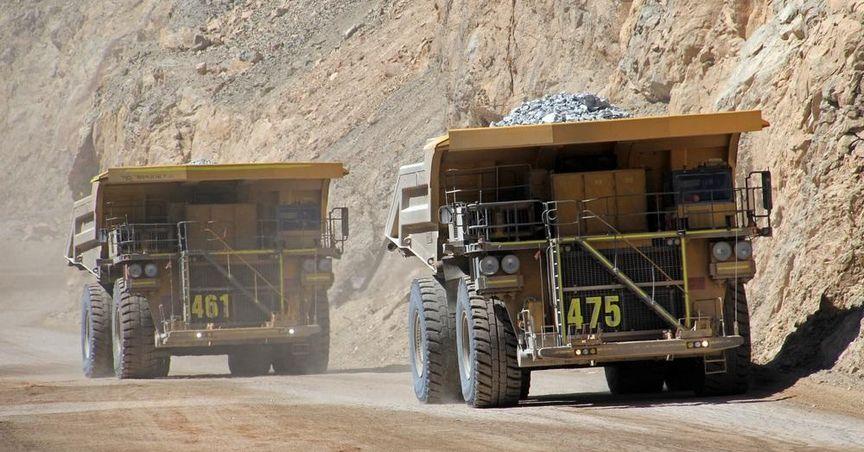
Metals and mining companies are being discussed within a cautious UK market environment shaped by selective sector activity and uneven sentiment.
Relevant London-listed names include Glencore (LSE:GLEN), Rio Tinto (LSE:RIO), Anglo American (LSE:AAL) and Antofagasta (LSE:ANTO).
The theme is influenced by industrial metals demand, China-linked activity, commodity rotation and supply chain investment flows.
Metals and mining companies are drawing attention across UK markets as participants respond to shifting commodity conditions, selective corporate updates and uneven sector behaviour. The broader environment remains cautious, with attention distributed across industrial demand signals, energy-linked movements and company-specific developments. Within this setting, metals and mining businesses are being assessed through industrial consumption patterns, global supply dynamics and execution performance rather than broad directional sentiment.
Why Are Metals and Mining Companies In Focus Across UK Markets?
Metals and mining companies remain central to UK equity discussions due to their exposure to global industrial demand and commodity-linked activity. The FTSE 100 provides a reference point for large resource-linked businesses where sentiment is influenced by international demand cycles and pricing conditions. Within this structure, attention is shaped by industrial usage trends, manufacturing activity and supply chain requirements across global markets.
What Drives Activity Across Metals and Mining Companies?
Activity across metals and mining companies is primarily influenced by operational updates and commodity-linked developments. Production updates, cost movements, infrastructure progress and supply-side changes often guide attention at the company level. The sector typically reflects differentiated behaviour across individual businesses, with each company responding to its own operational profile and asset base.
Which Companies Represent The Metals And Mining Theme?
Several London-listed companies are commonly associated with metals and mining activity, including Glencore (LSE:GLEN), Rio Tinto (LSE:RIO), Anglo American (LSE:AAL) and Antofagasta (LSE:ANTO). These companies operate across diversified commodity exposure, including industrial metals and bulk materials, reflecting the broad structure of the UK-listed resources sector and its connection to global commodity flows.
How Does Global Demand Influence The Sector?
Global demand conditions play a central role in shaping attention toward metals and mining companies. Industrial production, infrastructure development and manufacturing cycles influence consumption patterns for key commodities. Within the UK market context, these global drivers interact with broader sentiment across industrial and resource-linked sectors.
What Role Does FTSE 100 Play In Sector Visibility?
The FTSE 100 acts as a benchmark for large UK-listed companies, including major mining and resource groups. It reflects how commodity-linked businesses sit within the wider equity structure, with movements often influenced by global pricing conditions, demand signals and company-specific developments across major resource producers.
Why Do Commodity Movements Matter For Mining Companies?
Commodity movements directly influence how metals and mining companies are viewed across UK markets. Changes in industrial metal pricing, demand conditions and supply-side adjustments affect revenue generation and operational planning. These factors interact with production levels and cost structures, shaping company-level performance within specific commodity exposures.
How Does The Sector Fit Within UK Market Structure?
The metals and mining sector sits within the broader UK equity framework that includes energy, industrial materials and global resource-linked companies. It operates in an environment shaped by international demand cycles, supply chain dynamics and macroeconomic conditions influencing commodity flows across multiple regions.
What Shapes Company-Level Differences?
Company-level differences are shaped by commodity exposure, asset quality, production scale and operational efficiency. Some companies operate across diversified resource portfolios, while others focus on specific industrial metals. These variations create differing responses to global demand shifts and supply-side developments.
How Does Sector Behaviour Reflect Broader Market Conditions?
Sector behaviour reflects broader market conditions through uneven movement across commodities, industrial inputs and global demand cycles. While some materials experience stronger demand conditions, others reflect moderation depending on global activity levels. Metals and mining companies operate within this changing environment of selective sector activity.
