
 AUS
AUS
 NZ
NZ
 UK
UK
 CA
CA
 USA
USA
 IND
IND

_10_04_2024_16_38_50_427275.jpg)

_07_17_2023_08_36_03_332760.jpg)


Highlights
- Diversified mining portfolio spans multiple base metals and regions
- Operational footprint reflects global demand for industrial resources
- Market activity highlights sensitivity to commodity-driven movements
An overview of South32 in the FTSE 350, covering mining operations, global presence, and commodity market dynamics influencing its position among FTSE 350 Companies.
The global mining and metals sector plays a central role in supplying raw materials essential to industrial production and infrastructure. Within this space, South32 Limited operates as a diversified resources company with activities spanning several continents. As part of the FTSE 350, the company reflects broader dynamics influencing mining groups and commodity-linked businesses.
Diversified Resource Portfolio
South32 Limited (LSE:S32) maintains a broad portfolio that includes the production of bauxite, alumina, aluminium, copper, nickel, and other base metals. These materials are widely used in construction, manufacturing, transportation, and energy systems, linking the company’s operations to multiple industrial value chains.
The presence of varied commodities within a single portfolio allows exposure to different segments of the metals market. Demand drivers for these materials differ depending on global economic conditions, technological developments, and infrastructure activity. This diversity shapes operational performance across changing market environments.
Mining operations are typically organised into distinct assets or segments, each focusing on specific resources. These assets operate within different geological and regulatory contexts, influencing extraction methods, production levels, and logistical arrangements.
Global Footprint and Operational Reach
South32 Limited (LSE:S32) operates across regions including Australia, Africa, South America, and parts of Asia. This geographic spread enables access to resource-rich locations while also introducing variations in operating conditions. Factors such as regulatory frameworks, environmental standards, and infrastructure availability differ across jurisdictions.
In regions such as Australia and South Africa, established mining infrastructure supports large-scale extraction and processing activities. Operations in South America and other emerging markets contribute additional resource capacity, often linked to specific commodities such as copper and alumina.
International operations require coordination across supply chains that connect extraction sites with processing facilities and end markets. Transportation networks, port access, and export logistics play a significant role in ensuring continuity of operations.
Commodity Market Dynamics
The mining sector remains closely tied to global commodity cycles. Fluctuations in demand for metals influence production planning and resource allocation. Industrial activity, urban development, and technological adoption all contribute to variations in consumption patterns.
Within the FTSE 350 Index, mining companies often reflect these broader trends, with performance influenced by movements in underlying commodities. External factors such as geopolitical developments, trade flows, and environmental regulations also shape market conditions.
South32’s portfolio includes both energy-related and industrial metals, each with distinct demand drivers. For example, metals used in energy transition technologies may experience different demand patterns compared to those linked to traditional industrial uses.
Operational Structure and Asset Management
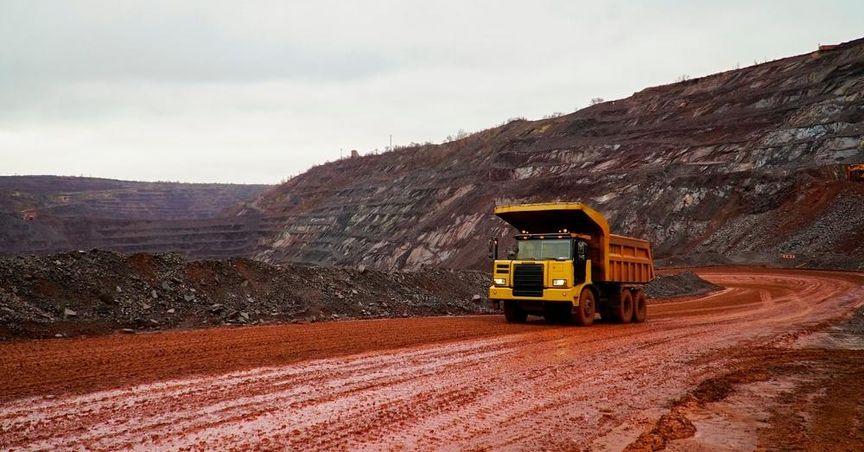
Mining operations require significant planning and coordination, from exploration and extraction to processing and distribution. South32 Limited (LSE:S32) manages a range of assets that include mining sites, processing plants, and associated infrastructure.
Each asset operates within specific technical and environmental parameters. Ore quality, extraction methods, and processing efficiency influence overall output. Maintenance of equipment and adherence to safety standards form essential components of daily operations.
Asset management also involves balancing production levels with operational constraints. Factors such as resource availability, equipment performance, and environmental considerations influence how operations are conducted across different sites.
Industry Trends and Environmental Considerations
The metals and mining industry continues to evolve in response to environmental and regulatory developments. Emphasis on sustainability has led to increased focus on reducing emissions, improving energy efficiency, and managing environmental impact.
Companies operating within the FTSE 350 Companies segment are increasingly incorporating environmental considerations into operational planning. This includes monitoring resource use, implementing waste management practices, and engaging with local communities.
Technological advancements are also shaping the industry. Automation, data analytics, and digital monitoring systems contribute to improved efficiency and operational visibility. These developments support decision-making across complex mining operations.
Market Activity and Sector Context
Market activity surrounding mining companies often reflects changes in commodity demand and supply conditions. Trading patterns may respond to shifts in global economic indicators, industrial output, and resource availability.
Within the broader mining sector, companies with diversified portfolios such as South32 (LSE:S32) operate across multiple commodity cycles. This structure allows participation in different segments of the metals market, each influenced by distinct economic drivers.
The interplay between global demand, operational capacity, and external conditions continues to shape the position of mining companies within major indices. Movements within the sector provide insight into broader industrial and economic trends.
