
 AUS
AUS
 NZ
NZ
 UK
UK
 CA
CA
 USA
USA
 IND
IND


_06_16_2026_06_12_08_773360.jpg)


Highlights
- North Sea focused exploration and appraisal portfolio
- Debt free balance sheet structure
- Positioned within the UK small cap energy segment
The energy exploration sector in the United Kingdom continues to operate within a complex commodity and regulatory backdrop shaped by global trade developments and domestic transition goals. Jersey Oil and Gas Plc (LSE:JOG) operates within this environment as a North Sea focused exploration and development company and is quoted on the Ftse Aim 100 Index, placing it among established small and mid capitalisation names in the alternative segment of the UK market.
The Ftse Aim 100 Index represents a cross section of companies admitted to trading on the Alternative Investment Market that meet defined liquidity and size thresholds. Inclusion situates a company within a structured benchmark frequently referenced across the broader FTSE landscape. This placement does not alter operational fundamentals, yet it aligns a business with a recognised grouping inside the UK quoted universe.
North Sea Operational Focus
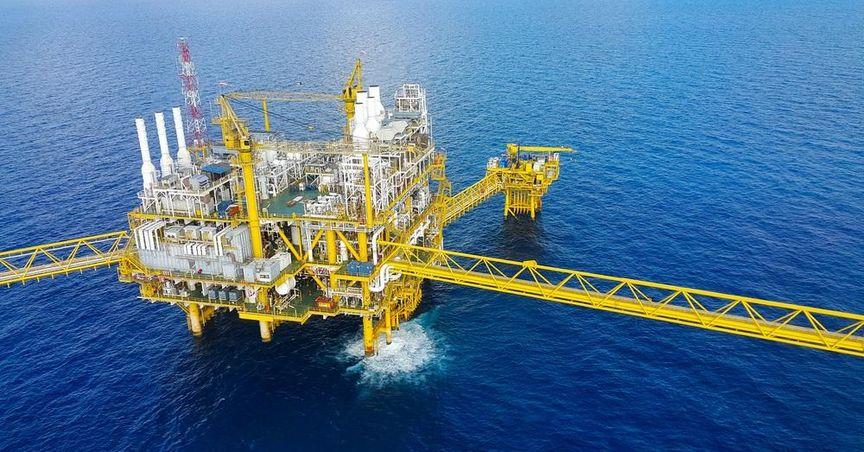
Jersey Oil and Gas Plc concentrates on the exploration, appraisal, development and eventual production phases associated with hydrocarbon assets located in the United Kingdom Continental Shelf. The North Sea remains a mature basin with established infrastructure, regulatory oversight and technical expertise. Companies operating in this region often pursue tie back strategies that seek to connect new discoveries to existing facilities, thereby optimising capital allocation and limiting standalone development complexity.
Within this basin, exploration entities typically assemble licence interests across prospective blocks and undertake geological and geophysical evaluation before advancing toward drilling campaigns. Progression through appraisal and development stages requires regulatory engagement, environmental assessment and coordination with joint venture participants where applicable. The structure of the North Sea industry means collaboration with service providers and infrastructure owners is a central component of project execution.
The company’s asset base is concentrated in areas where prior discoveries and infrastructure corridors exist. Such positioning can streamline development planning compared with frontier basins that lack export routes or processing hubs. At the same time, the North Sea’s maturity entails strict compliance expectations and cost discipline, as operating conditions are influenced by weather, decommissioning frameworks and environmental standards.
Financial Structure and Balance Sheet Profile
A notable feature of the company’s financial position is the absence of structural debt. In capital intensive sectors such as upstream energy, leverage levels can shape flexibility in project sequencing and partnership discussions. Operating without borrowings alters the composition of liabilities and places emphasis on equity funding and internal resources to support technical programmes and corporate costs.
Exploration focused businesses frequently operate without material operating revenue during early project phases. Expenditure is typically directed toward seismic interpretation, licence commitments, engineering studies and corporate administration. The balance between available resources and planned work programmes forms a central consideration in maintaining operational continuity within cyclical commodity environments.
In the context of the broader FTSE all share universe, smaller exploration companies often present differentiated capital structures compared with integrated producers or diversified energy groups. The absence of refining or retail segments means financial performance is closely linked to project milestones and commodity exposure rather than diversified revenue streams.
Market Context and Sector Sentiment
The UK market has experienced shifting sentiment influenced by international trade developments, energy supply considerations and domestic policy debate surrounding the pace of energy transition. Hydrocarbon exploration companies operate within this intersection of global commodity dynamics and national regulatory frameworks. Movements in benchmark indices such as Indexftse Ukx can reflect macroeconomic themes that indirectly shape the operating climate for smaller quoted energy names.
In periods marked by volatility in major benchmarks, capital allocation patterns across the UK market can shift between large capitalisation constituents and alternative segments. Companies admitted to the Alternative Investment Market may encounter differing liquidity conditions compared with those situated in the principal board indices. This structural distinction can influence trading patterns without altering underlying asset quality.
Energy remains a strategically significant sector for the United Kingdom given its role in domestic supply, employment and fiscal contributions. Debate surrounding new exploration licences, taxation frameworks and environmental commitments forms part of the backdrop against which companies such as Jersey Oil and Gas Plc operate. Market participants monitor regulatory statements and fiscal measures as part of their evaluation of sector conditions.
Position Within the Small Cap Landscape
Within the Alternative Investment Market, companies span a wide array of industries including technology, healthcare, consumer services and natural resources. Energy exploration businesses represent a distinct subset characterised by project based activity and exposure to commodity cycles. Their inclusion in a benchmark such as the Ftse Aim 100 Index places them alongside firms pursuing varied commercial models.
The small capitalisation segment of the UK market is often examined for diversity of business models rather than scale alone. Some constituents generate established operating surpluses, while others remain in development phases centred on asset appraisal or product rollout. In this context, exploration companies are evaluated on geological data, partnership structures and balance sheet resilience rather than conventional revenue multiples.
Energy names may also be referenced within discussions concerning FTSE dividend stocks, though exploration focused entities without production typically do not distribute surplus funds. Instead, available resources are directed toward advancing assets through technical milestones. This structural characteristic differentiates early stage exploration companies from established producers with operating fields.
Across the broader FTSE framework, sector representation shifts over time as commodity cycles evolve and capital markets conditions adjust. Smaller energy companies provide exposure to upstream activity within a market often dominated by diversified multinational groups. Their presence contributes to the range of industrial themes represented on UK exchanges.
The operational narrative for Jersey Oil and Gas Plc is therefore closely linked to project progression within the North Sea and adherence to regulatory and environmental standards. While broader market sentiment can fluctuate in response to international developments, the company’s core activities remain anchored in geological evaluation, partnership coordination and disciplined capital deployment within its licence areas.
As energy security, transition planning and commodity stability continue to shape discourse in the United Kingdom, exploration businesses occupy a defined niche in the quoted landscape. Their activities intersect with national supply considerations while operating under established environmental oversight. Placement within the Alternative Investment Market framework and the Ftse Aim 100 Index situates Jersey Oil and Gas Plc within a recognised segment of the domestic capital market.
Regulatory Environment and Strategic Context
Hydrocarbon exploration on the United Kingdom Continental Shelf is governed by a structured licensing regime overseen by relevant authorities. Companies secure interests through licensing rounds and are subject to work commitments, environmental assessments and decommissioning obligations. Compliance frameworks encompass safety standards, emissions management and community engagement, all of which form part of routine operational planning.
Strategic positioning within this framework requires coordination with infrastructure operators and, in many instances, joint venture counterparts. Development concepts may involve subsea tie backs, phased field development or alignment with existing production hubs. Each pathway entails technical studies, procurement processes and regulatory submissions before physical execution can commence.
The broader UK energy debate encompasses carbon management, electrification of offshore facilities and integration of renewable sources alongside conventional production. Exploration focused companies operate within this evolving landscape while concentrating on asset specific milestones. Engagement with regulatory authorities and adherence to environmental standards remain integral components of corporate activity.
Taken together, these elements frame the operating context for Jersey Oil and Gas Plc within the UK quoted arena. The company’s debt free structure, North Sea asset focus and placement within the Alternative Investment Market benchmark collectively define its position in the domestic energy segment.
