
 AUS
AUS
 NZ
NZ
 UK
UK
 CA
CA
 USA
USA
 IND
IND

_06_16_2026_07_51_10_471360.jpg)



Highlights
Mining and commodities sector remains central to FTSE 100 composition.
Rio Tinto (LSE:RIO) plays a key role in global industrial metals supply chains.
Commodity cycles continue to shape UK-listed resource sector activity.
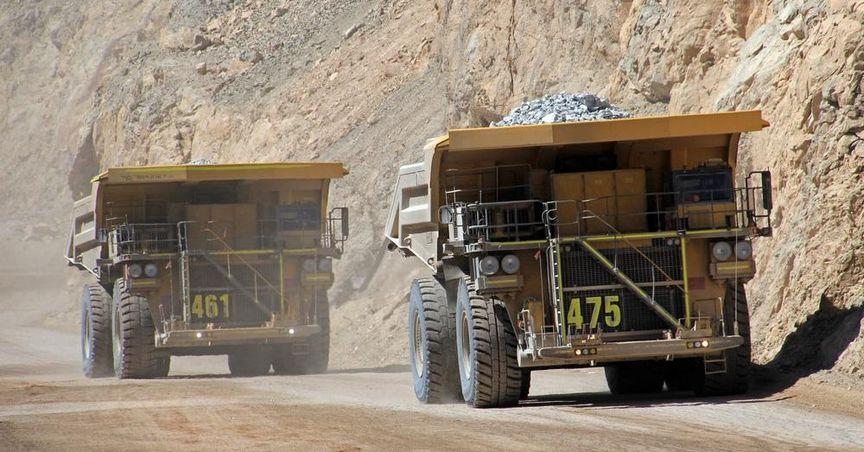
Mining sector activity around Rio Tinto reflects global commodity cycles and FTSE 100 industrial materials representation across UK equities.
The mining and natural resources sector forms a significant component of the United Kingdom equity landscape, covering industrial metals, energy transition materials, and bulk commodities. Within this structure, FTSE 100 and FTSE 350 serve as major benchmarks tracking large and mid-cap companies involved in global extraction and commodity supply chains. Rio Tinto (LSE:RIO) operates within this framework as a major diversified mining company with global operations spanning iron ore, aluminium, copper, and industrial minerals.
Commodity-focused equities are closely linked to global industrial demand, infrastructure development cycles, and energy transition requirements. These factors influence the broader performance structure of UK-listed mining companies across multiple market environments.
Mining Sector Structure and Global Commodity Framework
The mining sector in the United Kingdom equity market includes companies engaged in extraction, processing, and distribution of industrial metals and raw materials. These firms operate across multiple continents, supplying inputs essential for construction, manufacturing, and energy systems.
Rio Tinto (LSE:RIO) represents a core participant in this sector, with operations spanning large-scale mining projects and integrated supply chain systems. Its activities include iron ore extraction, aluminium production, and copper mining, which contribute to global industrial supply networks.
Within broader index classification, mining companies contribute to the sectoral weighting of FTSE all share, reflecting their importance in resource-driven equity segments.
Commodity Cycles and Industrial Demand Patterns
Commodity cycles are influenced by global infrastructure development, manufacturing output, and energy transition initiatives. Industrial metals such as copper and aluminium are closely linked to construction activity and electrical infrastructure development.
Iron ore demand is associated with steel production, which supports construction and manufacturing industries worldwide. These cycles operate over extended periods due to infrastructure planning and global supply chain integration.
Rio Tinto (LSE:RIO) operates within these cyclical environments, with production aligned to global commodity demand patterns. Its operations reflect the structured nature of mining activity, where extraction and distribution are tied to long-term industrial requirements.
Commodity-linked equities often interact with broader market segments within FTSE dividend stocks, where sector participation spans both resource and industrial companies.
FTSE Mining Representation and Market Composition
The FTSE structure includes companies from multiple resource-driven sectors, with mining forming a significant portion of industrial representation. These companies contribute to the overall weighting of resource-based equities within UK benchmarks.
Mining companies play a role in balancing sector exposure across energy, materials, and industrial classifications. Their presence ensures representation of global commodity producers within UK-listed equity frameworks.
The FTSE system captures this diversity by incorporating companies operating in extraction, processing, and distribution of natural resources across global markets.
Mining equities also reflect global trade exposure, as commodity pricing and demand patterns are influenced by international economic activity and infrastructure investment cycles.
Corporate Operations and Global Resource Networks
Mining companies operate within complex global networks involving extraction sites, transportation systems, and processing facilities. These operations span remote resource locations and major industrial hubs.
Rio Tinto (LSE:RIO) manages a diversified portfolio of mining assets across multiple continents, integrating logistics, production, and distribution systems. Its operations reflect the scale and complexity of global resource management.
Corporate mining activity involves coordination with infrastructure providers, energy suppliers, and industrial manufacturers. This interconnected structure supports the flow of raw materials into global supply chains.
Within broader equity classification, mining companies contribute to the industrial and materials sectors represented across FTSE 350, reinforcing their role in UK market composition.
Sector Positioning and Resource Market Dynamics
Resource market dynamics are shaped by global industrial demand, technological development, and infrastructure expansion. Mining companies respond to these factors through production adjustments and capital allocation strategies.
Industrial metals remain central to construction, transportation, and energy systems, supporting sustained demand across multiple sectors. Commodity markets reflect these structural drivers rather than short-term fluctuations.
Rio Tinto (LSE:RIO) operates within this environment, contributing to global supply chains for essential industrial materials. Its role highlights the importance of mining companies in supporting infrastructure development and manufacturing ecosystems. The mining sector continues to represent a key component of UK equity markets, with representation across major benchmark indices such as FTSE 100.
