
 AUS
AUS
 NZ
NZ
 UK
UK
 CA
CA
 USA
USA
 IND
IND

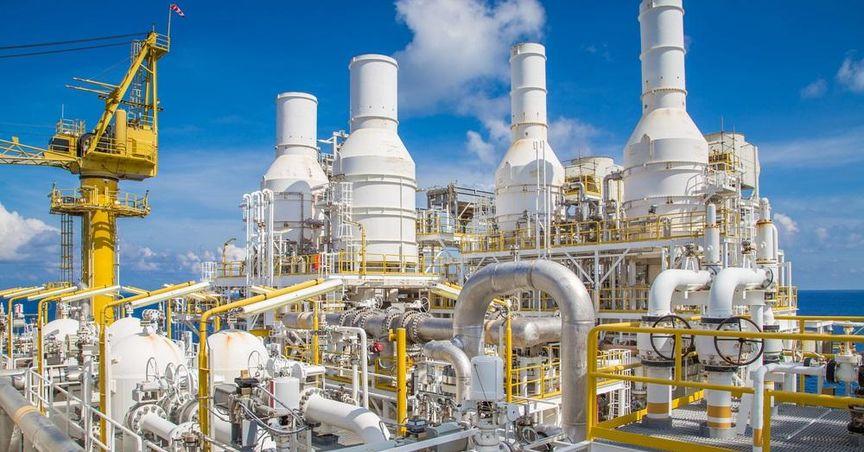





The energy sector, a pillar of the global economy, has been significantly impacted by recent fluctuations in production and pricing elements. The oil and gas industry, in particular, has been navigating a complex landscape of operational challenges and macroeconomic factors. Shell Plc (LON:SHEL), one of the industry’s supermajors, is currently experiencing disruptions within its liquefied natural gas (LNG) operations, influencing its financial projections.
LNG Disruptions and Impact on Shell's Integrated Gas Segment
Shell Plc has recently encountered unexpected disruptions in its Integrated Gas segment, primarily affecting its production and sales volumes. These disruptions are mainly attributed to weather-related maintenance activities at the Prelude LNG facility in Australia. Consequently, the company's output in this segment reflected lower-than-anticipated figures. This maintenance has not only influenced production timelines but has also had a cascading effect on sales metrics.
Revenue and Net Income Adjustments
In light of the operational challenges experienced by Shell, UBS has revised its projections regarding the company’s earnings. The forecast for Shell's net income in the first quarter has been reduced to around $5 billion, a slight 1% decrease from previous estimates, and approximately 4% below the broader market consensus. These revised projections underscore the tangible impact of operational disruptions on financial metrics.
Forecasts on Cash Flow from Operations
Shell's forecast for cash flow from operations, adjusted for the exclusion of working capital, has similarly faced reductions. UBS has revised its cash flow projection downward by 1% to approximately $12.2 billion. Such adjustments reflect the ongoing challenges posed by decreased production volumes, which impact the liquidity and operational efficiency of the company’s core activities.
Oil and Gas Production Outlook
In its recent trading update ahead of the official results, Shell indicated expectations of slightly increased gas production while anticipating potentially lower oil production for the first quarter in comparison to the final quarter of the previous year. This nuanced outlook highlights the variable dynamics within the company’s production operations, suggesting shifts in resource extraction priorities and emphasizing the complex interplay of operational and market forces.
Macroeconomic Factors Influencing Crude Markets
The broader oil markets are currently witnessing a decline in crude prices, stabilizing around $60 per barrel. This trend is influenced by a tempered demand outlook amidst prevailing macroeconomic challenges and selective pricing strategies adopted by certain OPEC members. These factors contribute to a dynamic and slightly uncertain market environment for crude oil, reflecting broader economic and geopolitical interdependencies within the energy sector.
Investor Sentiment and Market Performance
Despite current operational challenges and adjusted financial forecasts, Shell continues to hold a robust position within the market. Analysts maintain a ‘Buy’ rating with a 12-month price target of 3,150 pence, in contrast to the current market price of 2,425 pence. This suggests continued confidence in the company's long-term strategic positioning and capacity to navigate current challenges effectively.
Conclusion
As Shell Plc progresses towards the release of its full quarterly results on May 2, the company remains under scrutiny from investors and market observers. The focus remains on how effectively Shell navigates its current operational hurdles while maintaining financial stability. Such developments are critical in shaping the company’s performance trajectory in the midst of ongoing economic and market complexities.
