
 AUS
AUS
 NZ
NZ
 UK
UK
 CA
CA
 USA
USA
 IND
IND


_06_16_2026_06_12_08_773360.jpg)


Highlights
- Energy producer active across the United Kingdom and continental Europe
- Recent director share disposal disclosed to the market
- Operations span upstream production and infrastructure assets
An editorial review of Kistos, covering its energy assets, London listing and recent director share disclosure within the UK market framework.
The energy sector remains central to the United Kingdom’s industrial framework, encompassing exploration, production, processing and infrastructure activities across domestic and international markets. Kistos (LSE:KIST) operates within this space as an independent integrated energy company and is a constituent of the Ftse Aim 100 Index, reflecting its position within the London market’s growth-oriented segment.
Energy Operations Across Regions
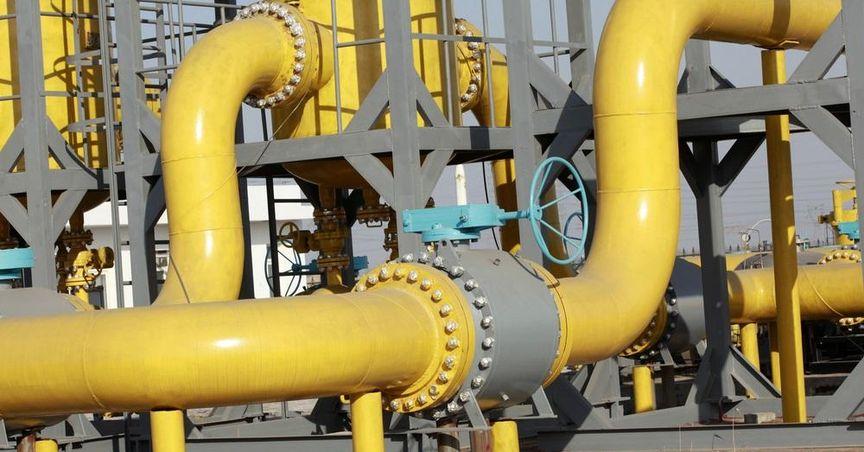
Kistos maintains upstream and midstream activities across the United Kingdom, Norway and the Netherlands. Its portfolio includes offshore and onshore production interests, alongside infrastructure assets that process and store hydrocarbons prior to distribution. This integrated structure enables coordination between extraction and infrastructure functions, forming part of a broader European energy network.
Within the domestic context, participation in the wider FTSE market ecosystem places the company among a broad group of listed enterprises operating across sectors such as resources, financial services and industrials. The United Kingdom energy landscape remains shaped by offshore activity in the North Sea, where infrastructure reliability and operational continuity remain central themes.
In Norway and the Netherlands, established hydrocarbon provinces provide a mature operating environment supported by regulatory frameworks and existing transport networks. Cross border activity allows energy producers to align production schedules with regional demand dynamics, while maintaining compliance with environmental and reporting standards applicable in each jurisdiction.
Recent Market Disclosure
A recent regulatory announcement disclosed that a director disposed of a portion of personal shareholdings in the company. The transaction was executed on the open market and communicated in accordance with standard disclosure obligations applicable to London listed entities. Such notifications form part of routine transparency requirements designed to inform market participants of dealings by persons discharging managerial responsibilities.
Director dealings are published through established reporting channels and become part of the public record. These disclosures neither alter the operational structure of the company nor change its asset base. Instead, they provide clarity regarding share ownership movements within the board and senior management structure, ensuring alignment with regulatory frameworks overseen by UK authorities.
The London market environment places significant emphasis on governance standards, and disclosure of transactions by directors contributes to this broader culture of transparency. For energy companies operating in capital intensive sectors, governance clarity remains closely tied to credibility in domestic and international markets.
Position Within the Broader UK Market
The company’s presence in the FTSE all share universe situates it within a comprehensive representation of companies listed in London. This broader measure captures both established corporations and growth oriented businesses, providing context for sector comparisons and capital market visibility.
Energy producers listed in London operate against a backdrop shaped by commodity cycles, infrastructure requirements and environmental expectations. Within the Indexftse Ukx benchmark, larger multinational energy groups dominate the capitalisation profile. By contrast, companies within the growth focused segment often pursue targeted asset development strategies, concentrating on specific basins or infrastructure nodes.
Inclusion in recognised indices enhances visibility among market participants tracking sector allocations. While index membership does not alter operational fundamentals, it can influence trading patterns and benchmark alignment for portfolios structured around UK equity exposure.
Asset Base and Infrastructure Role
Upstream assets form the foundation of the company’s operational profile. Offshore production facilities in established basins require ongoing maintenance, reservoir management and coordination with transport systems. Onshore facilities contribute additional diversity to the asset mix, connecting production sites to processing hubs.
Midstream infrastructure plays a complementary function. Processing installations separate hydrocarbons into transportable components, while storage capacity supports scheduling flexibility within regional supply chains. These assets often operate under regulated frameworks, reflecting their strategic importance to national energy security.
Energy infrastructure in the United Kingdom and continental Europe continues to evolve in response to decarbonisation objectives and shifting consumption patterns. Operators balance existing hydrocarbon production with environmental standards, emissions reporting obligations and stakeholder engagement initiatives. Within this setting, integrated models combining production and infrastructure aim to coordinate operational efficiency with compliance requirements.
Sector Context and Sustainability Focus
The European energy sector operates within a framework shaped by environmental accountability and social responsibility expectations. Companies active in hydrocarbon extraction and processing are required to adhere to national and regional standards governing emissions, safety and community engagement. Reporting frameworks emphasise transparency around operational impact and mitigation strategies.
Sustainability credentials increasingly form part of corporate reporting narratives. This includes disclosure related to emissions intensity, asset efficiency and alignment with regulatory transitions. Market participants monitoring FTSE dividend stocks and broader sector allocations often assess how energy companies integrate environmental considerations within operational planning.
Energy security remains a prominent theme within the United Kingdom and neighbouring markets. Domestic production, cross border supply arrangements and infrastructure resilience contribute to supply continuity. Companies operating across multiple jurisdictions participate in this interconnected system, balancing extraction activities with transport and storage responsibilities.
The London market continues to serve as a listing venue for resource oriented enterprises with international footprints. Through established governance standards and regulatory disclosure mechanisms, it provides a structured environment for capital access and public reporting. Within this ecosystem, integrated energy companies maintain operational portfolios that span production basins and infrastructure corridors, forming part of the wider European energy framework.
Across the energy landscape, operational resilience, regulatory adherence and infrastructure coordination remain consistent themes. Market disclosures, including director share transactions, contribute to transparency while core activities continue to revolve around hydrocarbon production and processing. In this context, the company’s multi jurisdictional footprint positions it within a sector that remains central to industrial supply chains across the United Kingdom and continental Europe.
As part of the growth oriented segment of the London market, participation in recognised indices connects the company to broader equity benchmarks tracked domestically and internationally. The interaction between upstream production, midstream infrastructure and regulatory compliance defines its operational identity within the European energy sphere.
Energy enterprises listed in London operate within a capital market environment shaped by transparency, governance and sector specific challenges. Through regulatory announcements and operational reporting, companies contribute to an information landscape that supports informed engagement across the marketplace. The integration of production assets with infrastructure networks underscores the strategic role played by independent operators within regional supply systems.
The energy sector’s intersection with environmental standards, infrastructure investment and cross border coordination ensures that listed companies remain closely aligned with policy frameworks established at national and European levels. Within this environment, integrated operators sustain activity across offshore and onshore assets, processing facilities and storage networks, reflecting the multifaceted character of contemporary energy provision.
Through its presence in recognised UK indices and its operational footprint spanning multiple jurisdictions, the company remains part of a broader narrative concerning energy supply, infrastructure stewardship and regulatory transparency in the European context.
