
 AUS
AUS
 NZ
NZ
 UK
UK
 CA
CA
 USA
USA
 IND
IND


_06_16_2026_06_12_08_773360.jpg)


Highlights
- Energy engineering group strengthens its market presence
- Operational positioning aligned with global industrial demand
- Market activity draws attention within the UK benchmark universe
The energy services and precision engineering sector forms a critical component of the United Kingdom’s industrial base, supporting offshore exploration, infrastructure development, and advanced manufacturing supply chains. Hunting PLC (LSE:HTG) operates within this specialised environment and is listed within the Ftse 350, reflecting its established presence across domestic and international markets.
Across the broader FTSE landscape, engineering and industrial services groups occupy a distinctive role. Their performance often mirrors developments in energy demand, infrastructure cycles, and capital deployment by exploration and production operators. Market participation in this segment can fluctuate in line with sector conditions, regulatory frameworks, and project activity across major basins.
Within the wider FTSE all share universe, industrial names such as Hunting contribute to overall market depth by providing exposure to manufacturing capability and technological application in energy extraction and adjacent industries. Their presence adds diversity to the composition of UK listed entities spanning financial services, consumer goods, mining, pharmaceuticals, and utilities.
Engineering Footprint Across Global Energy Markets
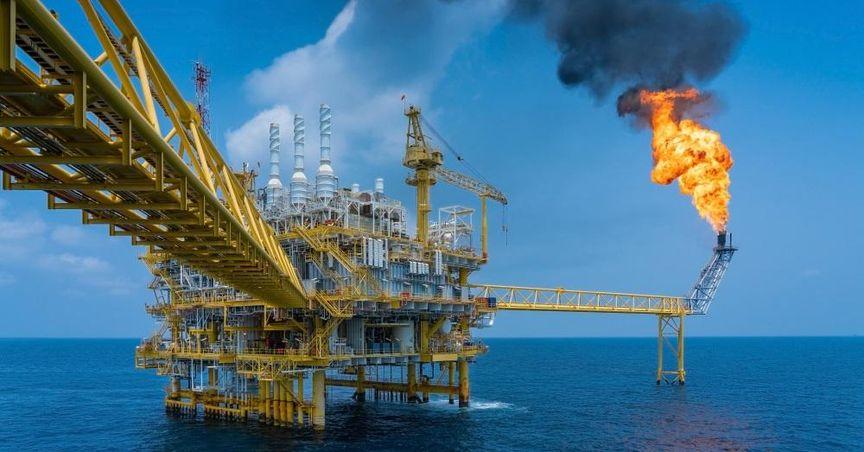
Hunting operates as a precision engineering group serving oil and gas, aviation, commercial space, defence, medical, and power generation markets. The company designs and manufactures highly engineered components that are deployed in demanding operational environments. Its product suite includes perforating systems, subsea equipment, well construction components, and specialised connectors used in complex drilling operations.
Energy remains a central pillar of its activities. The group supports upstream exploration and production companies by supplying equipment that must withstand extreme pressures and challenging geological formations. Reliability and durability are core attributes of its engineering processes, given the safety and operational standards required in offshore and onshore fields.
Beyond hydrocarbons, the company has broadened its manufacturing capabilities into sectors where high specification components are required. Aerospace and defence clients demand stringent quality assurance and traceability standards. Medical and power generation segments require precision machining and material science expertise. This diversification illustrates how traditional energy engineering knowledge can translate into adjacent industrial applications.
International operations extend across North America, Europe, Asia Pacific, and the Middle East. Geographic spread allows participation in varied project cycles, from mature basins to emerging developments. Such dispersion can balance exposure to regional fluctuations while maintaining a global service platform.
Market Position Within the UK Benchmark Structure
Membership in the Ftse 350 places Hunting among a selection of mid to large capitalised companies traded on the London market. This index combines constituents of the leading blue chip segment and the next tier of sizeable businesses, offering a cross section of corporate Britain.
Engineering groups within this benchmark often reflect broader industrial sentiment. When capital expenditure by energy producers rises, suppliers may experience heightened order flow. Conversely, periods of curtailed drilling activity can affect manufacturing throughput. As a result, market participants frequently monitor industrial service names as part of an assessment of sector conditions.
The Indexftse Ukx represents the largest listed corporations in the country and often captures headlines due to its scale and international exposure. While Hunting is positioned within the broader composite benchmark rather than the largest blue chip grouping, movements across the wider index complex can influence sentiment toward industrial and energy aligned businesses.
The company’s market capitalisation situates it among peers that balance operational scale with sector specialisation. In such an environment, corporate updates, order book commentary, and sector data can influence trading patterns as participants reassess relative positioning within the industrial segment of the UK market.
Operational Structure and Industrial Capabilities
Hunting’s operations are organised around product groups that address distinct phases of energy development. Well construction technologies facilitate drilling and completion activities, supporting operators as they access hydrocarbon reservoirs. Perforating systems enable the connection between the wellbore and the resource zone, requiring precision manufacturing and adherence to stringent technical standards.
Subsea technologies form another important element of its portfolio. Offshore projects demand equipment capable of operating at depth under high pressure and corrosive conditions. Components must maintain structural integrity while enabling efficient extraction and transport of resources. Such requirements necessitate continuous refinement of materials engineering and testing protocols.
The group also engages in advanced manufacturing processes that support aerospace and defence customers. These sectors require compliance with rigorous certification frameworks and often involve long project lifecycles. By maintaining facilities capable of precision machining and complex assembly, the company participates in programmes extending beyond traditional oil and gas activity.
Quality assurance and health and safety procedures underpin operations across all segments. Engineering firms operating in critical industries must demonstrate consistent adherence to international standards. This focus contributes to long standing client relationships and repeat engagement on major projects.
Sector Dynamics and Capital Discipline
Energy markets are shaped by supply and demand balances, geopolitical considerations, regulatory developments, and technological change. Exploration and production companies adjust capital programmes in response to commodity environments and strategic priorities. Service providers such as Hunting align manufacturing capacity with these broader industry patterns.
Over recent cycles, operators have emphasised efficiency and disciplined project selection. This shift has encouraged suppliers to focus on cost control, product innovation, and operational resilience. Engineering groups that can deliver durable equipment with reduced environmental footprint may remain integral to project execution.
Market participants also evaluate industrial names in the context of balance sheet strength and liquidity. Within the universe that includes FTSE dividend stocks, capital allocation approaches vary according to sector characteristics. Energy engineering companies often prioritise maintaining manufacturing flexibility and funding technological development while navigating cyclical demand.
The broader transition toward lower carbon energy sources presents both operational adjustments and avenues for technical application. Expertise developed in complex drilling and subsea systems can be adapted for geothermal projects, carbon storage infrastructure, and other specialised installations. Participation in such areas depends on client demand and regulatory frameworks across jurisdictions.
Within this context, Hunting maintains a presence in markets that require robust mechanical solutions. Its ability to serve multiple industrial domains provides a measure of diversification, though energy activity remains central to its identity as a precision engineering enterprise.
Trading activity around industrial companies can reflect technical factors as well as sector developments. When shares move through widely observed moving averages, market attention may increase as participants reassess momentum within the established trading range. Such patterns form part of the broader dynamics shaping equity market engagement.
As part of the UK listed environment, Hunting contributes to the industrial fabric represented across benchmark indices. Its activities intersect with global energy supply chains, advanced manufacturing processes, and specialised engineering disciplines. Developments in drilling activity, aerospace programmes, defence contracts, and infrastructure initiatives all form elements of the commercial landscape in which the company operates.
The UK market remains a hub for internationally focused industrial groups. Participation within recognised benchmarks can influence visibility among institutional market participants and index tracking vehicles. At the same time, company performance continues to depend on operational execution, customer demand, and disciplined management of manufacturing capacity.
Hunting’s trajectory within the engineering and energy services arena therefore reflects both sector specific conditions and broader market sentiment. Its role within the Ftse 350 underscores its standing among established UK listed companies engaged in global industrial activity.
Industrial Relevance in a Changing Energy Mix
The global energy system continues to evolve as traditional hydrocarbons coexist with renewable generation and emerging technologies. Engineering specialists that historically focused on oil and gas increasingly explore applications across adjacent fields. Precision manufacturing skills, materials expertise, and quality control frameworks remain transferable across multiple domains.
Hunting’s established capabilities in high specification components provide a foundation for participation in technically demanding projects. Whether deployed in conventional wells, offshore installations, or specialised aerospace assemblies, such equipment must meet stringent performance criteria.
Market conditions across energy and industrial sectors continue to shape demand for engineering services. Companies operating within this sphere respond through adjustments in capacity utilisation, product refinement, and engagement with new clients. As part of the UK equity landscape, Hunting remains embedded in these broader industrial currents that influence trading patterns and corporate activity alike.
In the context of benchmark representation and sector participation, Hunting PLC (LSE:HTG) reflects the characteristics of a specialised engineering enterprise navigating cyclical markets while maintaining a diversified manufacturing footprint.
