
 AUS
AUS
 NZ
NZ
 UK
UK
 CA
CA
 USA
USA
 IND
IND





Highlights
London markets opened on a firmer footing despite escalating geopolitical tensions in the Middle East.
WH Smith faced heavy pressure after updating profit expectations and outlining plans to strengthen its balance sheet.
Traders are closely monitoring US inflation signals alongside developments in energy markets.
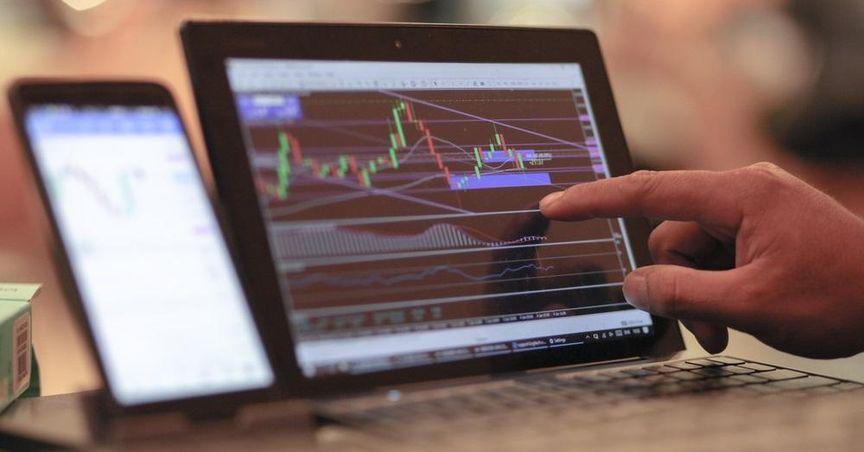
The UK market delivered a surprisingly resilient performance as global attention shifted towards rising tensions between the United States and Iran. While headlines surrounding military exchanges created uncertainty across international markets, London equities managed to maintain a constructive tone. The mood reflected a balancing act between geopolitical concerns, inflation expectations and corporate developments, particularly surrounding WH Smith (LSE:SMWH), a well-known name within the Retail Stocks sector.
Against this backdrop, the ftse 100 today remained in focus as traders assessed whether geopolitical risks would have a lasting impact on sentiment or simply create a short-term wave of volatility.
London Market Shows Resilience
The opening session in London highlighted the market's ability to absorb significant global developments without triggering widespread risk aversion.
While concerns surrounding the Middle East dominated financial headlines, market participants appeared reluctant to make dramatic adjustments. Instead, attention remained divided between international political developments and upcoming economic indicators from the United States.
This measured response suggested that traders were waiting for greater clarity before reassessing broader market expectations. Energy prices moved higher, reflecting concerns over regional stability, yet equity markets largely avoided panic-driven reactions.
The contrast between rising geopolitical uncertainty and relatively stable market performance demonstrated the current strength of market confidence.
Middle East Developments Return to Centre Stage
Global attention intensified after reports emerged of fresh military exchanges involving the United States and Iran.
The developments followed a series of retaliatory actions that expanded tensions across the region. Reports indicated that strategic sites linked to military infrastructure were targeted, raising concerns about the possibility of a prolonged confrontation.
Financial markets typically react swiftly to events that could disrupt global trade routes or energy supplies. As a result, traders closely monitored developments around key shipping corridors and energy infrastructure.
Although uncertainty remains elevated, market participants appeared focused on whether the situation would escalate further or remain contained within a limited regional framework.
Energy Markets React Quickly
One of the clearest market reactions emerged within the energy sector.
Oil prices strengthened as concerns grew over potential disruptions to supply chains and transportation routes. Energy markets often respond immediately to geopolitical developments in the Middle East due to the region's strategic importance within global oil production and distribution networks.
Higher energy prices can influence inflation trends, corporate costs and consumer spending patterns. Consequently, movements within oil markets are being watched carefully by participants across multiple asset classes.
Companies linked to the broader energy ecosystem may continue attracting attention if tensions remain elevated and commodity prices stay firm.
Inflation Data Adds Another Layer of Uncertainty
While geopolitical developments dominated headlines, economic data remains equally important for market direction.
Attention has shifted towards upcoming inflation readings from the United States, which could influence expectations around future monetary policy.
Recent labour market strength has already prompted discussions regarding the outlook for interest rates. If inflation remains stubbornly elevated, policymakers may face increased pressure when determining the next phase of economic strategy.
For global markets, inflation remains one of the most influential drivers of sentiment. Any indication that price pressures are proving difficult to control could affect equities, currencies and bond markets simultaneously.
WH Smith Faces Market Scrutiny
Among individual companies attracting attention, WH Smith emerged as one of the most closely watched names during the session.
The company updated its profit outlook and unveiled plans aimed at reinforcing its financial position. The announcement prompted a negative market reaction as participants evaluated the implications for future business performance.
WH Smith remains one of the UK's most recognisable retail brands, with operations spanning travel-focused locations and high street outlets. Its presence across transport hubs has helped shape its position within the domestic retail landscape.
The latest update highlights the challenges many consumer-facing businesses continue to navigate amid changing economic conditions and evolving spending habits.
Retail Sector Under the Spotlight
The response to WH Smith's announcement also brought broader attention to the retail sector.
Consumer-focused businesses continue to operate within an environment shaped by inflation pressures, changing purchasing behaviour and cost management challenges.
As a result, market participants are increasingly focused on operational resilience, balance sheet strength and long-term adaptability across retail businesses.
The sector remains highly sensitive to shifts in economic confidence, making company-specific updates particularly influential for sentiment.
Currency Markets Reflect Cautious Confidence
Foreign exchange markets also provided insight into broader market thinking.
Sterling demonstrated relative stability against major currencies, suggesting that traders were not rushing towards traditional safe-haven assets despite geopolitical developments.
Currency movements often serve as an early indicator of investor sentiment. In this case, the measured response implied that market participants were maintaining a cautious but controlled outlook.
The performance of the pound and other major currencies will likely remain linked to both inflation expectations and developments within the global geopolitical landscape.
European Markets Deliver Mixed Signals
Across continental Europe, market performance was mixed as traders assessed the same combination of geopolitical and economic factors.
Some regional benchmarks managed to advance, while others struggled to establish clear direction. This divergence reflected varying sector compositions and differing reactions to energy market developments.
European markets continue to face a complex backdrop where economic growth concerns, inflation expectations and geopolitical risks intersect simultaneously.
As a result, market direction may remain highly sensitive to fresh headlines in the coming days.
Asia Reflects Global Caution
Asian markets offered a more cautious tone, with several major benchmarks retreating amid heightened uncertainty.
The region's response highlighted ongoing concerns regarding global growth, trade dynamics and energy costs.
International markets are increasingly interconnected, meaning developments in one region can rapidly influence sentiment elsewhere. Consequently, traders across Asia, Europe and North America remain focused on the same core themes shaping financial markets.
Why Markets Are Watching the Next Move Closely
The combination of geopolitical tension, energy market volatility and inflation uncertainty creates a complex environment for global markets.
While London's early resilience demonstrated confidence, underlying risks remain present. Market participants continue to evaluate whether recent developments represent a temporary disruption or the beginning of a broader shift in sentiment.
For now, attention remains firmly fixed on three key factors: developments in the Middle East, movements in energy prices and signals from upcoming economic data.
Together, these themes are likely to shape market direction and influence trading activity across global financial centres in the sessions ahead.
