
 AUS
AUS
 NZ
NZ
 UK
UK
 CA
CA
 USA
USA
 IND
IND

![Hawkish Fed Lifts Yields: How BT Group [LSE: BT.A] Fits the Communication Conversation](https://kalkinemedia.com/storage/uploads/large/Telecomunnm_06_16_2026_05_46_11_231852.jpg)

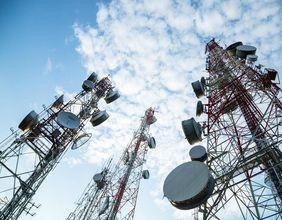


Highlights
BT Group operates extensive communications infrastructure across the United Kingdom.
Developments involving monetary policy continue to influence discussions across global sectors.
Communications companies remain important providers of connectivity and network services.
BT Group (LSE:BT.A) has attracted attention within the communications sector as discussions surrounding monetary policy and broader economic conditions continue across global markets. As a major provider of fixed-line, broadband, and communications infrastructure, the company forms part of the wider UK connectivity landscape. Communications services remain essential to households, businesses, public institutions, and digital activity, keeping the sector visible within market discussions.
Why Is Communications Infrastructure Important To Modern Economies?
Communications infrastructure supports a broad range of activities including internet access, digital services, business operations, education, healthcare, and public administration. Reliable connectivity enables information exchange across society and supports growing digital interaction. Telecommunications networks therefore remain a significant component of national infrastructure and economic activity.
How Does BT Group Contribute To The UK Communications Landscape?
BT Group operates across fixed-line communications, broadband services, network infrastructure, and digital connectivity. These activities support communication requirements throughout the United Kingdom and contribute to the wider communications ecosystem. The company is frequently referenced within discussions concerning connectivity, network development, and telecommunications infrastructure.
What Supports Continued Demand For Communications Services?
Communications services remain closely linked to everyday activities across households, organisations, and public services. Digital communication, internet access, cloud-based applications, online services, and data usage continue to form an important part of modern life. These factors contribute to the ongoing relevance of telecommunications providers and communications infrastructure.
How Do Telecommunications Companies Fit Within The FTSE 100?
The FTSE 100 contains companies operating across communications, financial services, healthcare, industrials, consumer sectors, and energy. Telecommunications companies contribute to the diversity of the index through their role in providing connectivity and digital infrastructure. Their inclusion reflects the importance of communications services within the broader UK economy.
Why Does Network Development Remain A Key Industry Theme?
Network development supports expanding connectivity requirements across businesses, households, and public institutions. Communications providers continue to maintain and enhance infrastructure supporting broadband, mobile communications, and digital services. These activities remain central to the telecommunications sector and are frequently highlighted within industry discussions.
