
 AUS
AUS
 NZ
NZ
 UK
UK
 CA
CA
 USA
USA
 IND
IND






The rapid outbreak of Covid-19 has caused more than 2 billion deaths around the world. The kind of global meltdown it has caused was unprecedented and unseen. The world was not prepared for this strike by the unseen enemy. As the virus outbreak crossed the borders of Wuhan, where it is believed to be originated, the countries around the world panicked. They were simply following the footsteps of other countries without any research with a limited amount of time and information. The contagious virus is believed to have evolved from animals, and it attacks the human respiratory system, eventually causing death. As the outbreak became a pandemic, it was learnt that the countries would require many ventilators and lots of Personal Protective Equipment (PPE). Over the course of around one month since the outbreak, most of the nations reported a shortage of ventilators.
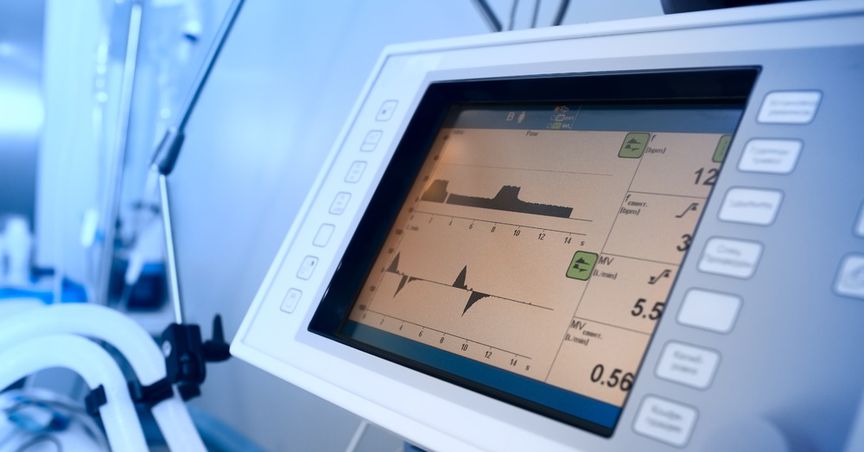
Ventilators are the most important equipment in helping the infected people with the novel coronavirus, and the world, including the UK, is facing an acute shortage of this life-saving equipment. A group of British manufacturers started working on the production of medical ventilators for the NHS, under the twin nicknames Project Oyster and Project Penguin, after the government ordered 10,000 of the devices to deal the coronavirus patients.
These groups hail from the medical, automotive and aerospace sectors and received official confirmation from the British government to produce ventilators. In order to expedite the process, the consortium ramped up the production of proven devices rather than designing new ones. Therefore, the consortium decided to manufacture these ventilators on existing platforms.
The Ventilator Challenge UK consortium expects to reach production of 1,500 by early May and has reportedly delivered more than 250 to the NHS. The consortium in association with Luton-based Smiths Medical and Oxfordshire specialist Penlon could supply up to 20,000 devices. The consortium aims to strictly adhere to the required specifications in manufacturing these ventilators. The consortium and associate companies are working hard to cope with the demand in this hour of crisis.
Augmented Reality (AR) would be deployed by the consortium to boost ventilator production. As per some reports, PTC, a leading provider of industrial innovation technology, would share its AR technology with fellow consortium members to boost ventilator production in the United Kingdom.
The experts are working closely with the ventilator industry veterans to document the critical processes used in the manufacturing of these ventilators. The consortium will now deploy PTC’s AR technology to capture the important procedures involved in assembling and expediting the process of manufacturing the new ventilator systems. AR technology can help in reducing the risk of the virus spreading by virtually placing a ventilator expert into a partner factory and hence a lot of risks can be mitigated along with capturing the critical processes required for technology transfer.
Through the power of augmented reality, the expertise & technology can be transferred from existing assembly lines to new facilities which is very important for scaling up the production. The entire cycle of production takes more than a day, and the consortium was able to capture all the different processes through the technology. This would also help in reducing the lead times and scale up production to nearly 1,500 ventilators per week from just 50 to 60 ventilators per week.
However still, there is no clarity on the actual number of ventilators required to fight this pandemic. The health secretary, Matt Hancock, earlier had said that nearly 30,000 ventilators are required, and later they were revised to 18,000.
What went wrong with Dyson?
Dyson Ltd, along with two other firms Babcock and Sagentia, were awarded contracts to supply 10,000 brand new ventilators each. None of these companies had though gained acceptance from MHRA for new equipment, a regulatory body of medicine and medical equipment.
Babcock International (LON:BAB), was requested by the British government to help the NHS during the Covid-19 crisis with 10,000 ventilators. Babcock group’s team had also developed a supply chain solution to facilitate several UK manufacturers with the assembly and production to expedite the process. The United Kingdom-based group, Babcock International Group, provides engineering support services to defence & aviation. The UK’s other product development company, Sagentia was asked to supply 10,000 ventilators, once the 20 prototypes supplied by the company were approved; however, the company needed more time to fulfil the requirement. The Cambridge-based group specialises in outsourced R&D services and technology innovation.
It was reported that though these three groups received regulatory approval for their prototypes by the MHRA, the Ventilator Challenge UK had reportedly secured the approval from MHRA to supply ventilators to the NHS.
Dyson designed a prototype ventilator called the CoVent in a fortnight and bagged a contract to supply 10,000 ventilators. However, the contract was conditional. The newly designed ventilator was supposed to receive the Medicines and Healthcare products Regulatory Agency’s approval. The regulatory agency of the Department of Health and Social Care in the United Kingdom, which had set some specifications for ventilators to be used in UK hospitals.
The government later notified Dyson Ltd, that the supply of medical ventilators to the National Health Service (NHS) for treating Covid-19 patients is not required. The engineering firm founder, a billionaire, Sir James Dyson said that the company does not expect reimbursement from the taxpayer’s money, however, the company has incurred nearly £20 million on this ventilator contract.
Founded in 1991, Dyson Ltd is a technology company, which specialises in manufacturing of in house designed vacuum cleaners, hairdryers, fans, heaters, air purifiers and other household appliances. The company was not sure about CoVent being rejected by the MHRA. However, the company might find some other markets for its product. This sophisticated ventilator was designed in a short span of time.
Still, everything is not over for the company, MHRA is currently testing many devices, and the results would follow soon.
