
 AUS
AUS
 NZ
NZ
 UK
UK
 CA
CA
 USA
USA
 IND
IND

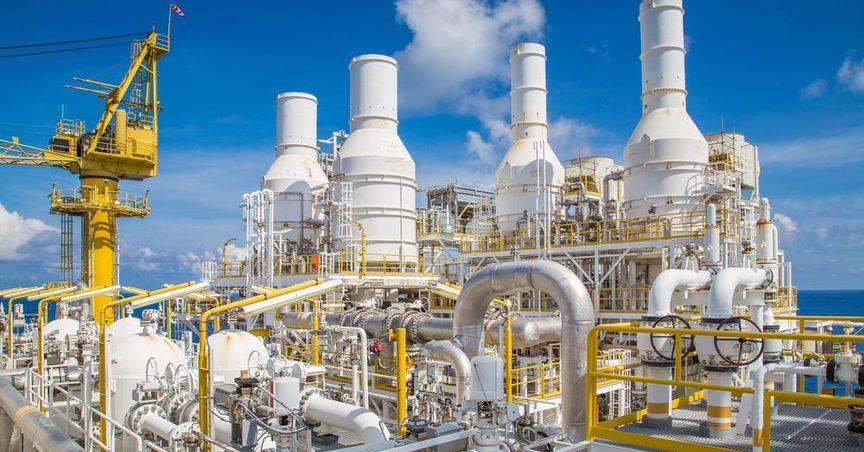





Serinus Energy PLC has recently released its financial results, which reveal a period of modest financial performance amidst persistent challenges. The energy stock highlights key areas of concern and operational focus.
For the fiscal year ending June 2024, Serinus Energy reported revenue of $28.3 million, a slight increase from $27.9 million in the previous year. Despite this modest rise, the company’s revenue growth remains limited, reflecting ongoing difficulties within its operational and market environment.
The company’s financial situation is influenced by several factors, including fluctuating oil prices and operational costs. Serinus Energy's gross profit margin has faced pressure, with a gross profit of $12.4 million compared to $13.1 million the previous year. This decrease in gross profit underscores the challenges the company faces in managing production costs and market conditions.
Debt levels are another significant aspect of Serinus Energy’s financial profile. The company’s total debt stands at $95 million, a slight increase from $92 million last year. This growing debt load could impact the company's financial stability and operational flexibility, particularly in a volatile energy market. The debt-to-equity ratio, currently at 0.9, indicates a relatively high level of leverage, which could present risks if not managed properly.
On the balance sheet, Serinus Energy (LSE:SENX) has current liabilities amounting to $50 million and long-term debt of $45 million. These liabilities are offset by cash reserves of $10 million and receivables of $20 million. The net liabilities, therefore, exceed the company’s liquid assets and near-term receivables by $65 million, highlighting the extent of its financial obligations.
Operationally, Serinus Energy has faced challenges in increasing production efficiency and controlling costs. The company’s operating margin stands at 15%, reflecting a relatively stable but modest profitability level given the broader market pressures. The interest coverage ratio, which measures the company’s ability to meet interest payments from earnings, is currently at 2.0, suggesting some strain in covering interest expenses from its operational earnings.
Market performance of Serinus Energy’s stock has been influenced by both internal and external factors. The company’s market capitalization is approximately $250 million, reflecting its overall market value. The fluctuations in stock price have mirrored broader market trends and specific company developments, impacting investor sentiment.
In response to these challenges, Serinus Energy is focusing on improving operational efficiency and cost management. The company is also working on strategic initiatives aimed at stabilizing revenue and enhancing profitability. However, the balance between managing debt and achieving revenue growth remains a critical concern for the company’s future financial health.
Serinus Energy PLC's financial results indicate limited revenue growth and ongoing operational challenges. The company’s debt levels and profitability metrics highlight areas of concern, and ongoing efforts to address these issues will be crucial in determining its future performance.
