
 AUS
AUS
 NZ
NZ
 UK
UK
 CA
CA
 USA
USA
 IND
IND

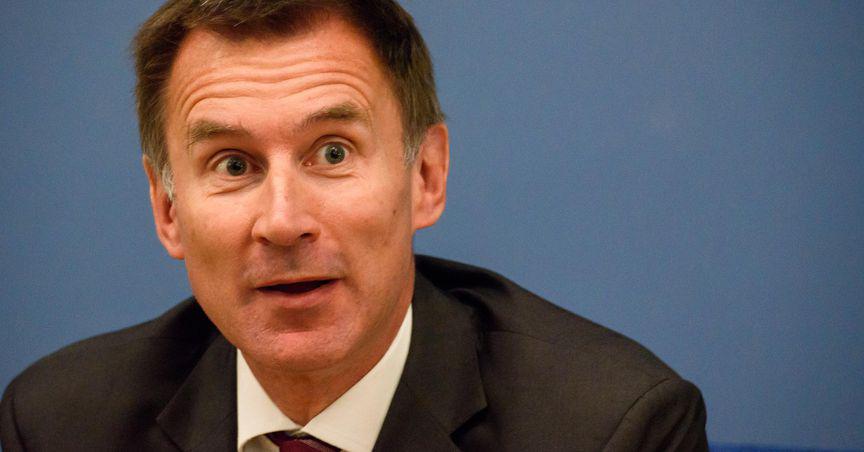





Highlights:
- Chancellor Jeremy Hunt has announced that the tax cuts announced in the mini-budget will be reversed.
- Besides, the energy bill support will not be extended beyond April, he added.
In his first act after taking over as the Chancellor of the Exchequer, Jeremy Hunt on Monday announced sweeping changes to previous Chancellor Kwasi Kwarteng's 'mini-budget'. The fiscal statement announced in September included unfunded tax cuts worth about £45 billion, and it sent the country's financial markets into chaos. Later, it was reduced to £43 billion when the government took a U-turn on the planned abolishment of the 45% income tax rate.
Making an emergency statement on Monday, Chancellor Hunt revealed that he'll be reversing almost all the tax cuts announced by Kwarteng, a move that is set to raise about £32bn annually.
His announcement rips apart prime minister Liz Truss' tax-cutting agenda, which was the backbone of her campaign when she was running for the PM.
Image source: © Raducomes | Megapixl.com
Besides, the plans to slash the basic income tax rate from 20% to 19% in April 2023 will also be dropped, with Hunt saying that the taxes will remain at this level indefinitely until the economic circumstances are favourable. The move was projected to cost the government about £5.3bn in 2023-2024.
Plans for VAT-free shopping for international shoppers will also be dropped.
The energy bill support for households will only last until April, Hunt said. This means it will only be in place for six months. While there will be no change in support from now till April, a review will be conducted after that to offer targeted support to the needy.
"More difficult decisions" on tax and public spending are on the way, he concluded.
The latest announcement from the Chancellor comes as an attempt to stabilise the financial markets after weeks of turmoil and emergency interventions from the Bank of England. Over the weekend, Hunt had warned that to deal with the current challenges caused by the tax-cutting bonanza, taxes will have to be hiked along with slashing public spending.
However, the think tank Institute for Fiscal Studies (IFS) has claimed that the government needs an amount much bigger than £43 billion. In an interview with BBC Radio Four, IFS director Paul Johnson said that the amount needed to bridge the gap between expenditure and revenue would be around £70 billion. He added that there was no room for the tax giveaway, and it needed more than reversing the tax cuts to get a hold of public finances.
Notably, Kwasi Kwarteng was sacked as the Chancellor last week, and the mini-budget is said to be the reason behind it. Truss, too, has been under pressure to stabilise the economy.
