
 AUS
AUS
 NZ
NZ
 UK
UK
 CA
CA
 USA
USA
 IND
IND



_07_03_2026_03_50_21_133108.jpg)

Highlights
- Crypto Policy Shifts May Be Delayed Trump’s administration could prioritize other issues over immediate changes to crypto regulation.
- Legislation Faces Complex Path Bills on stablecoins and regulatory roles may take time to navigate through Congress.
- Strategic Bitcoin Reserve Proposal Emerges Discussions on a U.S. Bitcoin reserve surface, though execution remains uncertain.
As Donald Trump’s inauguration approaches, discussions around potential changes to cryptocurrency regulation have intensified. While Trump has signaled plans to overhaul the regulatory landscape for digital assets, analysts suggest that these changes may not happen immediately.
Greg Cipolaro, Global Head of Research at NYDIG, noted in a January 10 report that while there is optimism for reform, the execution of significant initiatives could face delays due to competing priorities.
Legislative Challenges for Crypto Bills
Congress is expected to focus on pressing matters such as geopolitical conflicts, trade policies, and the budget, potentially delaying crypto-specific legislation. Key proposals, including stablecoin regulation and a bill to define the roles of securities and commodities regulators in overseeing digital assets, may encounter prolonged debates.
A more conservative legislature could further complicate the passage of such bills, with fewer compromises likely compared to previous sessions. The pace of these developments could shape the broader crypto market sentiment and regulatory clarity.
Appointments and Their Impact on Crypto
Trump’s appointments for key roles, such as Treasury Secretary and SEC Chair, appear favorable for the crypto sector. However, several critical positions, including those at the Commodity Futures Trading Commission (CFTC), Office of the Comptroller of the Currency (OCC), and Federal Deposit Insurance Corporation (FDIC), remain unfilled.
These appointments will significantly influence the regulatory direction for cryptocurrencies and the broader financial ecosystem. The incoming administration's stance on enforcement and innovation will be closely watched by market participants.
Proposal for a U.S. Strategic Bitcoin Reserve
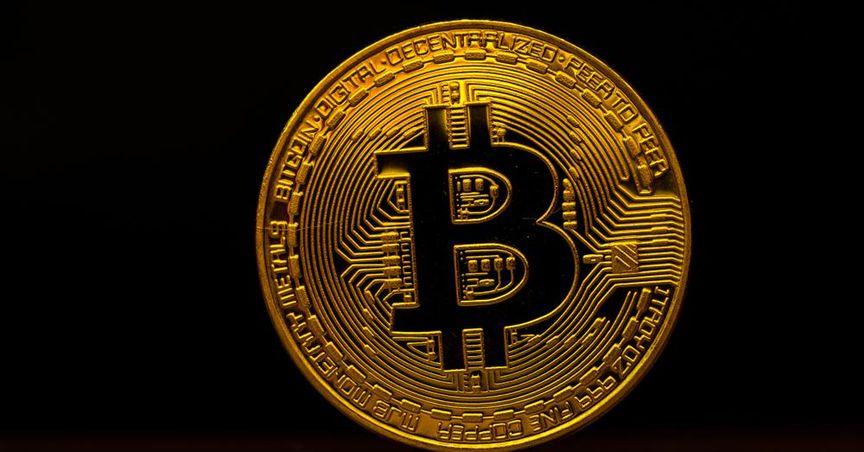
One of the notable discussions includes a proposal for establishing a U.S. strategic Bitcoin reserve. Cipolaro highlighted that such a reserve could potentially be created using confiscated Bitcoin, reportedly valued at over $18 billion.
While this could address concerns about the U.S. government selling Bitcoin, it may not generate new demand for the asset. Implementation could occur through an executive order, but the temporary nature of such orders makes them susceptible to reversal by future administrations
While Trump’s administration may bring a renewed focus on digital assets, immediate changes appear unlikely. The timeline for legislative and regulatory reforms remains uncertain, with broader economic and geopolitical priorities taking precedence.
The discussions surrounding a Bitcoin reserve and regulatory clarity reflect the evolving role of digital assets in the financial landscape. These developments could shape the trajectory of the cryptocurrency market in the coming months.
