
 AUS
AUS
 NZ
NZ
 UK
UK
 CA
CA
 USA
USA
 IND
IND






Highlights
- Bitcoin (BTC) surges above $100,000, showcasing long-term growth.
- Altcoins like Ethereum (ETH) and Solana continue to hold substantial market value.
- Memecoins remain high-risk, driven by online virality rather than fundamental value.
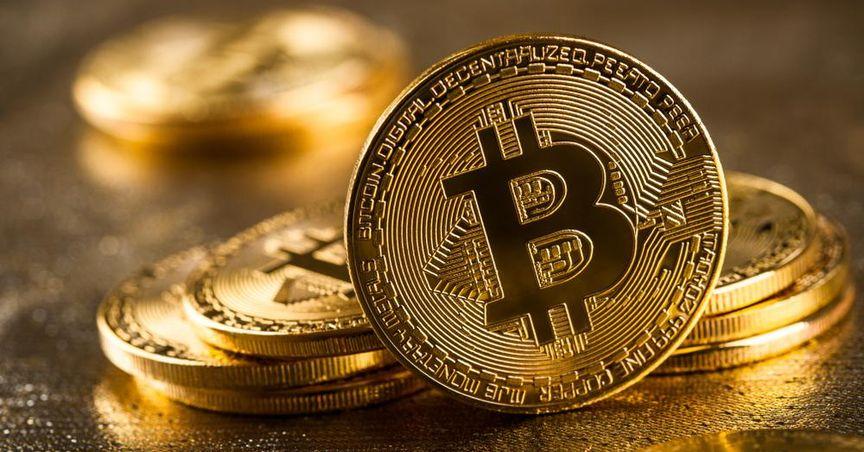
Since the election of Donald Trump, cryptocurrencies have seen an unprecedented surge in both popularity and value. Bitcoin (BTC), the original cryptocurrency, broke the $100,000 barrier for the first time in late 2024, marking a remarkable rise of over 132% since the start of the year. However, despite this growth, the crypto market remains notoriously volatile, with a long history of sharp rises and declines.
Bitcoin and Altcoins Long-term Growth with Challenges
Bitcoin, launched in 2009, is the pioneer of the cryptocurrency movement. As the most established and widely recognized digital currency, it continues to dominate the market. It is often seen as the least risky option within the cryptocurrency space due to its long history and widespread acceptance.
Glen Goodman, author of The Crypto Trader, emphasizes Bitcoin's status as the original and most trusted cryptocurrency. “Bitcoin is the daddy, the original crypto, and many people would argue it's still the best. It’s proved its popularity over 15 years, and even the traditional finance industry is starting to see it as part of a typical diversified portfolio of assets,” Goodman noted.
In addition to Bitcoin, there are altcoins—cryptocurrencies that emerged after Bitcoin’s success. Some, like Ethereum (ETH), Solana (SOL), and XRP, have significant value locked in them, with billions of dollars being traded and used for activities like decentralized finance (DeFi) and non-fungible tokens (NFTs). These altcoins, while less established than Bitcoin, offer substantial technological and financial advancements. For example, Ethereum’s network is central to many DeFi projects and NFT marketplaces.
Tristram Lewis-Stempel, creator lead at Web3 gaming company Unagi/Persona NFT, states that certain altcoins have immense backing and offer promising technologies. “Some newer coins like Sei or Sui offer great tech and have backing from notable investors, which positions them well for future growth,” he explained.
Memecoins High-Risk, High-Reward Investments
In contrast to Bitcoin and altcoins, memecoins are a different breed of cryptocurrency. These digital assets often gain popularity through social media and internet trends, with no substantial technological backing. Their value is largely driven by online virality, making them highly speculative and subject to rapid fluctuations. Examples include Dogecoin and Shiba Inu.
Goodman describes memecoins as “in-jokes” within the tech and finance communities, emphasizing that their value often hinges on fleeting social media attention rather than any inherent utility. As a result, while some memecoins have seen massive price increases, they also pose a significant risk of rapid decline. Lewis-Stempel advises caution when considering these coins, suggesting that they should only form a minor part of a broader crypto strategy.
Memecoins’ volatile nature makes them highly speculative investments. However, for those willing to take on significant risk, they may present opportunities for short-term gains, although they remain unsuitable for those with lower risk tolerance.
Centralized and Decentralized Exchanges The Way Crypto is Traded
Cryptocurrency can be traded through centralized exchanges (CEXs) like Coinbase and Binance, which operate similarly to stock exchanges by processing transactions and managing liquidity. However, decentralized exchanges (DEXs) have gained traction due to their ability to offer greater anonymity and security.
DEXs, which operate on blockchain technology, allow individuals to trade directly with each other, bypassing intermediaries. This decentralized nature makes DEXs less susceptible to hacks, but they are not without risk. On-chain transactions, facilitated by automated smart contracts, can be more complex and may expose users to scams or fraud, especially when dealing with lesser-known tokens.
Lewis-Stempel warns that DEXs, though offering a wider range of tokens and greater decentralization, also present greater risk. He recommends using a hardware wallet to secure funds when engaging with decentralized platforms, as this reduces the likelihood of losing assets due to hacks or fraud.
The Risks of Cryptocurrency
Cryptocurrencies, while offering significant opportunities, are also fraught with risks. The most significant risk is volatility. Prices can surge dramatically in short periods, but they can also collapse just as quickly. As Lewis-Stempel notes, “You should be aware that you're dealing with a very volatile, high-risk asset class. The further removed you get from established coins like Bitcoin, the higher the risk.”
Additionally, the risk of fraud and scams is an ever-present concern in the cryptocurrency space. Goodman warns that unsolicited offers to manage crypto holdings are often scams, designed to steal funds from unsuspecting users. It’s crucial for those engaging in the crypto market to remain vigilant and skeptical of any offers that sound too good to be true.
When to Exit the Crypto Market
Timing the market is notoriously difficult, especially in the highly volatile world of cryptocurrencies. However, understanding when to exit or reduce holdings is an essential aspect of managing risk. Many crypto enthusiasts, like Lewis-Stempel, acknowledge that holding onto Bitcoin and Ethereum since their inception would have resulted in substantial wealth. However, for the majority of participants, gains have been far more modest.
Lewis-Stempel suggests a strategy of partial exits, where investors sell a portion of their holdings as prices rise but leave some in place in case the price continues to climb. This approach helps to manage risk while still keeping some exposure to potential gains.
Peters from Etoro suggests that for most participants, it’s wise to focus on higher-market cap cryptocurrencies like Bitcoin and Ethereum, which have demonstrated resilience over time. By doing so, individuals may mitigate the risks associated with investing in smaller, less established coins.
Tax Implications of Cryptocurrency Trading
It’s important to be aware of the tax implications when trading cryptocurrencies. Like traditional investments, any gains made through cryptocurrency are subject to capital gains tax (CGT). The calculation involves determining the difference between the purchase price and the sale price of the crypto asset, and any gains exceeding the annual tax-free allowance are taxable.
In the UK, the capital gains tax allowance is £3,000 per year, meaning that any gains above this threshold are subject to tax. It’s also possible to offset losses from crypto transactions against gains, potentially reducing the overall tax liability.
Navigating the Crypto Market's Challenges
The cryptocurrency market continues to evolve, offering both opportunities and risks for those involved. Bitcoin and Ethereum stand out as long-term growth assets, while altcoins offer a diverse range of technological innovations. Memecoins, however, remain a high-risk, speculative area with the potential for substantial volatility.
As the market matures, so too does the need for cautious strategies. Staying informed about market trends, understanding risk management, and navigating the complexities of both centralized and decentralized exchanges are all critical aspects of engaging with cryptocurrency effectively.
