
 AUS
AUS
 NZ
NZ
 UK
UK
 CA
CA
 USA
USA
 IND
IND



_07_03_2026_03_50_21_133108.jpg)

Highlights
• Glencore (LSE:GLEN) operates within the FTSE 100 index, connecting mining, trading, and industrial frameworks across global markets.
• The company engages in metals, energy, and commodity supply, linking with industrial, retail, and energy market structures.
• Its diversified operations reinforce integration between natural resources and wider economic classifications.
Glencore, a FTSE 100 constituent, operates across mining, trading, and energy supply, linking industrial, consumer, and global commodity markets.
Glencore belongs to the diversified mining and trading sector, one of the most important industrial segments shaping commodity access and resource supply chains worldwide. As a constituent of the FTSE 100, Glencore demonstrates how resource companies align with broader equity frameworks while maintaining operational influence across metals, energy, and agricultural systems.
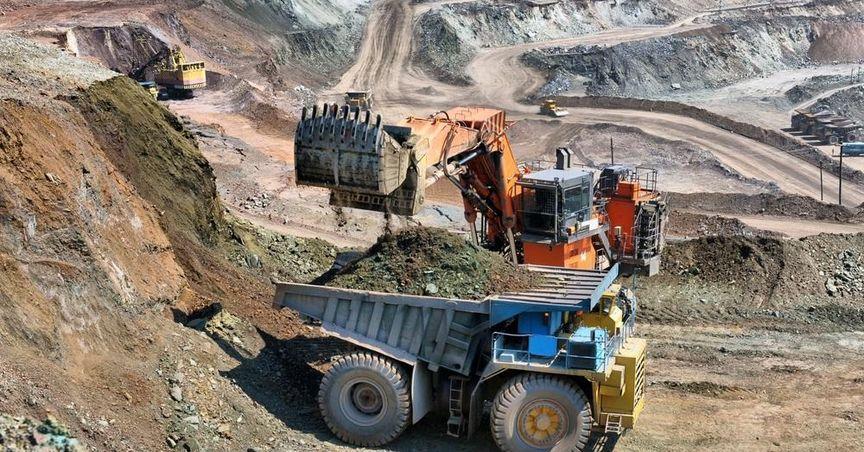
Glencore (LSE:GLEN) engages in large-scale extraction, production, and marketing of metals and minerals while also operating in energy trading and agricultural commodities. This multi-faceted approach positions the enterprise as both a producer and a distributor, connecting raw resources with industrial networks and consumer markets. Its activities extend beyond mining into logistics, refining, and distribution, which creates an integrated presence across supply systems.
Operational Presence in Global Commodities
Glencore’s activities span the mining of copper, cobalt, nickel, zinc, and coal alongside trading in oil and gas. This positioning links it directly with Oil and Gas Stocks while also intersecting with Metals and Mining Stocks due to its vast portfolio of extracted resources. Through its marketing operations, the company extends beyond extraction into full-scale commodity trading, which distinguishes it from many traditional mining enterprises.
The company’s facilities include smelters, refineries, storage hubs, and distribution centers across multiple regions. These assets demonstrate the industrial scale of operations, connecting Glencore with Industrial Stocks through the infrastructure required to sustain continuous global activity.
Connections with Energy and Industrial Markets
Glencore remains tied to Energy Stocks through its coal operations, oil trading, and role in power-related raw material supply. Energy-intensive industries rely on its resources, making the enterprise essential in supporting electricity generation, fuel markets, and industrial energy needs.
Industrial Stocks also share structural alignment with Glencore’s operations, particularly through the use of metals like copper, zinc, and nickel in manufacturing, construction, and technology production. These resources are vital inputs in industrial activity, linking the company’s output with broader economic development.
Integration with Retail and Consumer Systems
While Glencore’s primary activities occur in the commodities space, its influence reaches into Retail Stocks and Consumer Stocks indirectly. Copper and nickel play major roles in electronics, consumer goods, and appliances, while coal and oil products maintain relevance for transportation and energy consumption.
By facilitating access to these inputs, Glencore sustains the consumer market indirectly through upstream operations. This demonstrates how industrial commodities connect with consumer-facing industries, bridging the gap between natural resources and daily consumption patterns.
Glencore’s position within the FTSE 100 reflects its role as one of the largest enterprises in the United Kingdom market landscape. Its diversified model highlights characteristics sometimes associated with Value Stocks, given its reliance on established production systems and consistent global trading activity.
The company’s breadth also aligns with Blue-Chip Stocks, as it maintains established recognition, extensive operations, and structured integration across multiple markets. This dual identity demonstrates how Glencore operates at the intersection of commodity production and financial equity frameworks.
Healthcare and Occupational Systems
Resource operations have inherent connections to Healthcare Stocks, particularly through occupational health standards, safety programs, and medical compliance. Mining and processing facilities require structured healthcare systems to protect workers from hazardous environments. Glencore reflects this link through extensive employee programs, health monitoring, and adherence to global safety regulations.
The company’s interaction with healthcare frameworks extends beyond internal systems. Communities near operational sites often require infrastructure development, such as medical clinics and sanitation projects. This demonstrates the role of natural resource enterprises in supporting broader healthcare integration within regional economies.
Technology and AI Adaptations
Glencore operates in a sector where efficiency is deeply dependent on technology. Automated machinery, advanced logistics, and digital monitoring align its activities with Technology Stocks. Furthermore, integration of AI Stocks has enhanced predictive maintenance, equipment monitoring, and supply chain forecasting.
Artificial intelligence supports real-time tracking of commodities across shipping routes, ensuring compliance with international logistics frameworks. AI also contributes to sustainability strategies, measuring environmental impact and optimizing energy consumption in resource extraction. This technological evolution positions Glencore within modern industrial frameworks where automation and digitalization remain core components.
Infrastructure, Real Estate, and Metals Links
Glencore’s large-scale mining and logistics facilities underscore its relationship with Infra and Real Estate Stocks. Operational mines require advanced construction, transport corridors, and storage systems. Refineries and export terminals depend on real estate developments positioned strategically near ports and rail lines.
Simultaneously, the company’s activities strengthen demand for Metals and Mining Stocks, as its extraction processes contribute to the global supply of steelmaking coal, copper, and nickel. These metals serve as essential inputs for industrial, infrastructure, and consumer markets worldwide, reinforcing the connection between resource enterprises and broader economic development.
Communication and Energy Integration
The coordination of a global commodity network requires advanced communication. Glencore’s activities align with Communication Stocks by employing digital systems for logistics management, market trading, and compliance monitoring. Real-time communication is critical in commodity trading, where timing influences shipment schedules, delivery commitments, and operational flow.
The company also aligns with Energy Stocks through its coal production and oil trading. These activities remain core to electricity generation and fuel distribution systems, linking Glencore directly with the energy market. Even as markets transition toward alternative energy, Glencore’s role in maintaining energy supply illustrates the ongoing relevance of commodity-based enterprises.
Penny, Smallcap, and Midcap Comparisons
Although Glencore operates on a global scale within the FTSE 100, its operational scope can be contrasted with other classifications. Penny Stocks often represent early-stage enterprises with narrow operations, whereas Glencore embodies established infrastructure and diversified assets.
In terms of adaptability, certain characteristics overlap with Smallcap Stocks, particularly the ability to navigate commodity cycles with tactical adjustments in production. Yet the structural presence of global facilities and extensive trading networks aligns more closely with Midcap Stocks, balancing operational specialization with financial stability.
Glencore’s scale, consistency in commodity supply, and structured operations connect it with Dividend Stocks, as companies in this category often emphasize predictable financial practices. Stability across global trading markets underscores the enterprise’s position within frameworks that align with dividends.
The company also reflects traits of Value Stocks, due to its extensive asset base, diversified portfolio, and focus on established commodity demand. While resource markets are cyclical, the scale of Glencore’s activities provides a foundation consistent with value-based classifications.
Broader Blue-Chip Attributes
Glencore’s placement in the FTSE 100 aligns with Blue-Chip Stocks, known for recognition, resilience, and established scale. The enterprise operates across multiple continents, interacts with global regulatory systems, and sustains commodity supply that underpins multiple industries. Its brand recognition and operational influence position it within classifications often associated with blue-chip enterprises.
