
 AUS
AUS
 NZ
NZ
 UK
UK
 CA
CA
 USA
USA
 IND
IND






Highlights
- Inflation reached a 30-year high level of 6.9% in New Zealand in the March 2022 quarter.
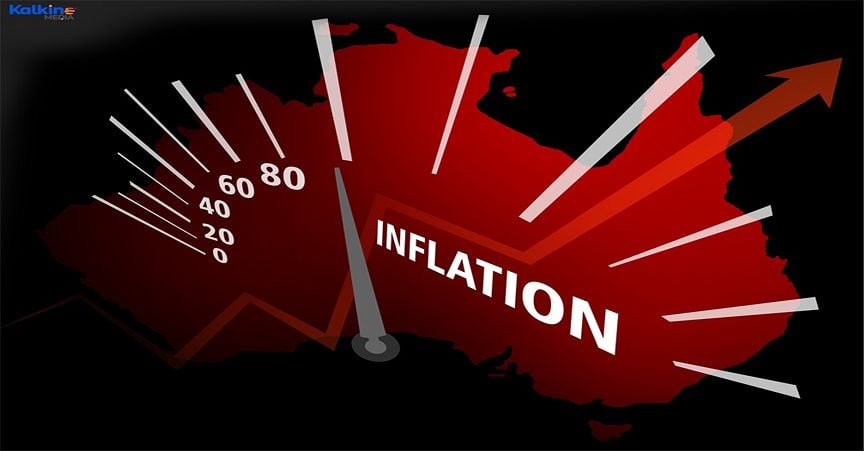
- Soaring inflation in Australia has compelled the central bank to push the date of a rate hike closer.
- The IMF has upgraded its economic growth forecast for Australia, hinting at the resilience of the country against global shocks.
Inflation in New Zealand jumped to its highest level since 1990 in the March 2022 quarter. Stats NZ recently reported an inflation rate of 6.9% during the first quarter, which was still below market expectations of over 7%. The latest inflation figures are staggering and not unique to New Zealand.
Inflation has become the talk of the town ever since the Russia-Ukraine war ensued. The result of the war has largely been felt in energy prices, which has ultimately led to higher consumer prices. High inflation has also become a pronounced phenomenon in Australia, where rising prices have pushed the interest rate hike closer.
All eyes are now fixed on the upcoming inflation data due next week on April 26. Given the rapid rise in inflation worldwide, it can be expected that Australia would also develop a similar pattern. However, so far, Australia’s resilience to global shocks has been commendable. The country has withstood inflationary pressures better than the rest of the world.
ALSO READ: Lockdowns in China weigh on economic outlook; Should Australia worry?
How is inflation faring in Australia?
Inflation has taken a swift path upward, leaving little room for the Australian economy to adjust. The rise in prices has such a stronghold on the economy that the Reserve Bank of Australia (RBA), for the first time, let go of its patient stance regarding the interest rate outlook. In the latest monetary policy meeting, a change of tone was visible in RBA Governor Philip Lowe’s speech.

Experts have suggested that soaring inflation has compelled the RBA to push rate hike dates closer. The ongoing developments have pushed forward the likely timing of the first interest rate hike. In fact, the target band of 2-3% is expected to be surpassed in the upcoming inflation data.
Analysts have given a prediction of core inflation jumping by 1% or more in the March 2022 quarter. This would equate to an annual inflation pace of at least 3.2%, which is just above the RBA’s target band. Once the band is outstripped, the RBA might have little choice but to increase the cash rate.
DO NOT MISS: Big banks predict interest rate rises in next six months
What to expect from the Australian economy?
Australia has fared differently in these trying times. Be it the prolonged period of record-low interest rates or even the possibility of higher economic growth despite a high inflation period.
The latest good news has arrived for Australia in the form of an upgrade in its economic growth outlook by the International Monetary Fund (IMF). The IMF raised its forecast for Australia’s economic growth to 4.2% in 2022 in its latest world economic outlook report. Earlier, the IMF projected 4.1% economic growth this year. The current boost in growth forecast could be taken as a vote of confidence in the economic plan.
Why Rental Rates are High in Australia?
The slight upgrade in growth projection also highlights the fact that the economy is largely expected to grow even as cost-of-living pressures are high. The latest fuel excise cut, proposed as a part of the Federal Budget, seems to have immensely helped create this forecast for Australia.
According to the IMF, the Australian economy may not see a sharp dip in economic growth even with raging inflationary pressures. Consumer spending and businesses activity is largely expected to stay steady.
What is happening in New Zealand?
Consumer prices have continued to rise in New Zealand, despite many easing measures being taken by the government. A reduction in fuel excise was also seen in New Zealand, similar to Australia. However, the New Zealand economy is expected to see inflation peaking in the coming months.
The main driver behind soaring consumer prices in Kiwiland is the nation’s housing sector, which has observed a strong price growth. However, a slowdown is building up in the Kiwi property market, which is likely to show an impact on overall inflation.
In a nutshell, neither country is expected to stay immune to the global inflationary pressures. Meanwhile, government policies and the performance of economic indicators will largely shape the economic outlook. Further clarity is expected to arrive once Australia’s March quarter inflation data is released next week, paving the way for the crucial data on wages, which will be out on May 18.
ALSO READ: Resignation regret: Are more boomerang employees returning to old jobs?
