
 AUS
AUS
 NZ
NZ
 UK
UK
 CA
CA
 USA
USA
 IND
IND







Summary
- Business Minister Paul Scully on Monday, 18 January, urged the business community to act now to avoid any potential disruption in operations.
- Scully has further warned the companies that the commerce is changing, therefore, the businesses must adapt to the new guidance without delaying further.
Businesses have to modify their functioning with regard to the new guidelines by the UK government after the completion of the Brexit transition period. The organisations have been duly advised to shift their foundations from the erstwhile framework to the UK-led rules to continue the smooth cross-border trade.
Business Minister Paul Scully on Monday urged the business community to act now in connection to the mandatory steps that are required to be taken for the UK’s fresh start out of the EU jurisdiction.
The minister has asked the businesses to ensure that they have marked the checklist of six primary actions including goods, services, people, travel, data, and accounting & reporting. Scully has further warned the institutions that the commerce is changing, therefore, the businesses must adapt to the new guidance without delaying further.
Also Read: Brexit Trade Deal: What Are the New Terms and Tariffs
The post-Brexit trade arrangement that has paved the way for zero tariff and zero quota trade is expected to help in protecting various jobs across Britain benefiting the businesses operating cross-border. The new agreement between the Downing Street administration and the EU is also likely to assist in unlocking investment potential soon.
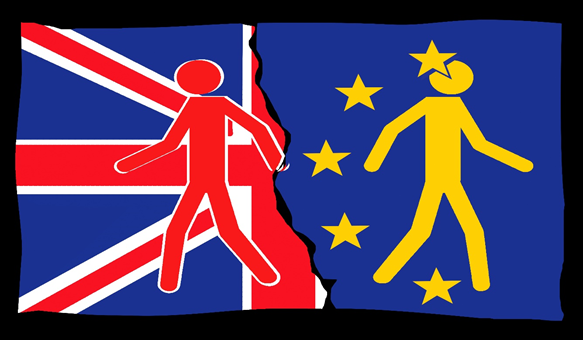
(Image source: ©Kalkine Group 2020)
Key actions required
- The businesses involved in exporting or importing goods to and from the EU are mandated to get an EORI number.
- Businesses must check for additional requirements of papers for plant or animal products to be traded to adhere to the appropriate EU paperwork.
- Customs declaration is required to be done for cross-border trades either by the businesses or a designated agent on their behalf.
- Hauliers are required to have a negative Covid report before heading towards Kent port and should obtain a Kent Access Permit.
- Businesses delivering services to the EU are required to check their respective professional qualifications with relevant EU regulators.
- The requirement of visa and work permits are also needed to be examined for business-related travel to partner nations of the EU.
- There are new rules for parallel exporting of the IP-protected goods from the UK to the countries under the umbrella of the EU including Iceland, Liechtenstein, and Norway.
- Accounting and reporting should be done in compliance with relevant EU requirements by the businesses having a presence in the EU jurisdiction.
- Businesses are also required to apply for a licensed sponsor to hire skilled staff from the EU.
The points include the major changes that are required to be done to achieve the benefit of zero tariff and zero quota framework between the UK and the EU. Business Minister Scully has reiterated the businesses to incorporate the requisite actions to avoid any “potential disruption to their respective operations”.
The ministry has also launched a series of on demand tutorials for the businesses to understand the new rule better on various subjects from trade to data. The government is here to help the organisations navigating a smoother business change as the UK is finally excluded from the EU single market and customs union, Scully said.
