
 AUS
AUS
 NZ
NZ
 UK
UK
 CA
CA
 USA
USA
 IND
IND


.jpg)



Highlights
- Canadian power producer active in generation, renewable development, and infrastructure projects.
- Recent announcements included a data centre memorandum and updated dividend distribution.
- Operational updates arrived alongside annual financial results reporting a net loss.
Operational updates from TransAlta outline power generation activities renewable energy infrastructure and data centre electricity discussions linked with companies represented in the S&P TSX Index.
The electricity generation sector includes companies responsible for producing and delivering power across regional grids. In Canada, several major utilities contribute to the broader market represented by the S&P TSX Index, which includes firms spanning energy, infrastructure, and industrial operations. TransAlta Corporation (TSX:TA) operates within this environment as a power generation company engaged in renewable energy projects, natural gas facilities, and electricity infrastructure across Canada and other regions. Recent developments surrounding the company included announcements related to data centre infrastructure collaboration, adjustments to dividend distribution, and publication of annual financial results.
Power Generation and Energy Infrastructure
Electricity generation remains a critical component of modern economic systems. Utilities and independent power producers operate facilities that convert various energy sources into electrical power supplied to regional transmission networks. These sources include hydroelectric generation, natural gas facilities, wind farms, solar installations, and other technologies designed to meet demand across industrial, commercial, and residential sectors.
TransAlta Corporation (TSX:TA) maintains a diversified generation portfolio that includes renewable and thermal energy assets. Wind farms form a central component of renewable generation activity, converting kinetic energy from wind into electricity delivered through turbine generators. Solar facilities use photovoltaic panels to transform sunlight into electrical current, contributing to renewable generation capacity within power grids.
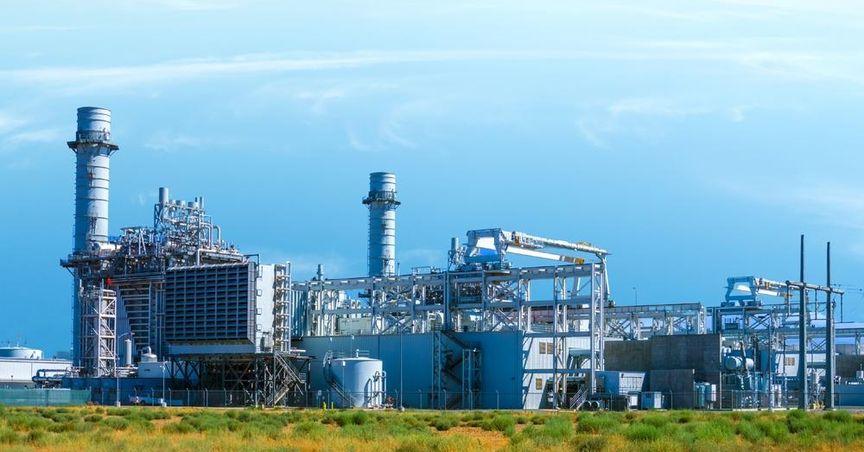
Natural gas facilities represent another part of the company’s operational structure. Gas-fired power plants burn natural gas to produce steam or drive turbines that generate electricity. These plants often complement renewable generation by providing reliable output during periods when wind or solar production fluctuates.
Hydroelectric facilities also appear within the company’s generation portfolio. Hydropower plants harness the movement of water through turbines to generate electricity. Reservoir management and river flow patterns influence production levels at such facilities, which typically operate for extended periods with relatively stable generation capacity.
Data Centre Memorandum and Energy Demand
Recent announcements included a memorandum connected with development related to data centre infrastructure in Alberta. Data centres require substantial and reliable electricity supply to support computing equipment, storage systems, and cooling infrastructure that maintain operational conditions for digital services.
Growth in cloud computing, digital communication platforms, and artificial intelligence applications has increased demand for large-scale data processing facilities. As a result, power producers frequently engage in discussions regarding electricity supply arrangements capable of supporting these high-energy facilities.
Energy companies operating within the s and p tsx index environment sometimes collaborate with technology firms and infrastructure developers to evaluate potential power supply arrangements connected with data centre construction. These discussions may involve examination of grid capacity, renewable energy integration, and infrastructure expansion required to support new electricity demand sources.
Electricity generation companies participating in such initiatives typically explore long-term supply frameworks designed to ensure stable power delivery. Reliable electricity supply remains essential for continuous operation of data centres, which depend on uninterrupted energy flow to maintain digital infrastructure.
Dividend Distribution and Corporate Developments
Corporate announcements connected with power producers sometimes include updates regarding dividend distribution. These distributions represent periodic payments made by companies to shareholders based on board decisions and operational considerations.
TransAlta Corporation (TSX:TA) announced an increase to its dividend distribution alongside other corporate updates released during the same period. Such adjustments reflect internal financial decisions connected with operational performance and capital allocation strategies within publicly listed companies.
Dividend distributions occur across various sectors, including utilities and energy producers that generate revenue through electricity production and infrastructure operations. Companies operating power generation assets often maintain dividend programs reflecting the steady nature of electricity demand in many regions.
Electric utilities typically allocate resources toward maintenance of generation facilities, expansion of renewable energy projects, and upgrades to transmission infrastructure. These activities form part of ongoing operational management required to maintain stable electricity production.
Financial Reporting and Operational Results
Annual financial reporting provides insight into operational performance across major corporate activities. Financial statements outline revenue generation, operational costs, and other accounting metrics reflecting company operations during a reporting period.
Recent disclosures associated with TransAlta Corporation (TSX:TA) included financial results indicating a net loss for the reporting period. Financial outcomes may reflect various operational factors, including energy market conditions, generation output levels, and accounting adjustments linked with infrastructure assets.
Electricity producers often experience fluctuations in financial performance due to variations in energy demand, maintenance schedules, and generation output from renewable sources. Weather conditions can also influence power generation levels, particularly for wind and hydroelectric facilities that depend on natural resource availability.
Infrastructure upgrades and facility conversions sometimes contribute to changes in operational cost structures. Power generation companies periodically undertake projects designed to convert existing plants to alternative fuel sources or integrate new technology systems into existing operations.
Electricity Markets and Grid Operations
Power generation companies operate within complex electricity markets where supply and demand influence dispatch decisions across regional grids. Grid operators coordinate generation resources from multiple facilities to maintain stable electricity supply and frequency levels.
Electricity markets involve a mixture of long-term power purchase agreements and spot market transactions where energy producers supply electricity to utilities and industrial consumers. Renewable energy facilities often operate alongside traditional thermal plants within these market frameworks.
Grid reliability requires balancing generation sources to ensure that electricity production matches demand across different periods of the day. Renewable generation may fluctuate depending on wind conditions or sunlight availability, requiring grid operators to coordinate with other power plants capable of adjusting output when necessary.
Electricity demand patterns evolve over time as economic activity, technological development, and infrastructure expansion influence consumption patterns. Industrial facilities, residential areas, and digital infrastructure such as data centres all contribute to overall electricity demand within regional grids.
Power producers associated with large Canadian benchmarks such as the S&P TSX composite frequently operate diversified portfolios that combine renewable generation with flexible thermal facilities capable of responding to changing grid requirements.
Energy Transition and Renewable Expansion
Global energy systems continue to incorporate greater levels of renewable generation as governments and industries pursue lower-emission energy sources. Wind and solar facilities represent rapidly expanding components of electricity generation capacity across many regions.
Companies operating within the Canadian power sector frequently develop renewable projects designed to complement existing generation assets. Renewable installations require planning related to land use, grid interconnection, and environmental considerations.
Transmission infrastructure plays an essential role in delivering electricity generated by renewable facilities to urban centers and industrial areas. Expansion of transmission networks often accompanies growth in renewable generation capacity, enabling electricity produced in remote regions to reach population centers.
Within this broader context, power producers such as TransAlta Corporation (TSX:TA) continue to operate facilities spanning multiple generation technologies. Integration of renewable resources alongside thermal plants reflects the evolving structure of electricity production across modern energy systems.
