
 AUS
AUS
 NZ
NZ
 UK
UK
 CA
CA
 USA
USA
 IND
IND


.jpg)



Highlights
- Energy utility company engaged in electricity and natural gas infrastructure
- Operations include regulated power transmission, distribution networks, and energy services
- Activities positioned within Canada’s large capitalization utility segment
Canadian Utilities manages electricity and natural gas infrastructure across regional networks while operating within Canada’s broad equity market benchmark represented by the S&P TSX Index.
Electric and natural gas utilities form an essential component of modern infrastructure by delivering reliable energy to households, businesses, and industrial facilities. Companies operating within this sector appear among major corporations tracked by the S&P TSX Index. Canadian Utilities (TSX:CU) functions within this environment as a long established provider of electricity and natural gas services supported by extensive transmission and distribution networks.
Utility companies manage systems that deliver energy from generation facilities to communities and industrial locations. These networks include high voltage transmission lines, regional distribution infrastructure, and operational centers responsible for monitoring electricity and gas delivery systems.
Electricity Transmission and Distribution Systems
Electric utilities rely on interconnected infrastructure designed to transport electricity from generating facilities to end users. High voltage transmission lines carry electricity across long distances before distribution networks deliver energy to local communities.
Within this operational framework, Canadian Utilities (TSX:CU) maintains electricity infrastructure that supports regional power delivery across multiple service areas. Transmission systems connect power generation facilities with substations where electricity is stepped down to distribution levels suitable for residential and commercial use.
Distribution networks consist of lower voltage lines extending through urban and rural areas. These systems ensure that electricity generated at large facilities can reach homes, businesses, and industrial operations requiring continuous energy supply.
Operational monitoring centers supervise electricity flow across the network. Control systems track grid stability, equipment performance, and system demand to maintain reliable energy delivery.
Natural Gas Delivery and Infrastructure
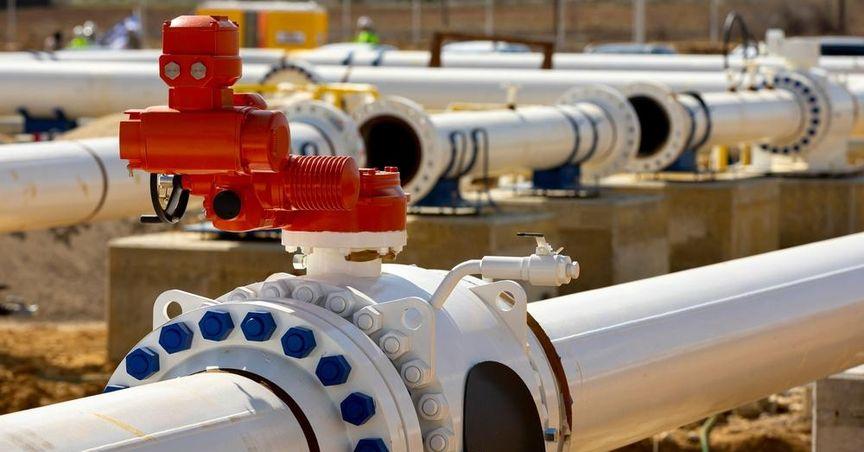
Natural gas distribution represents another key element of modern energy systems. Distribution networks transport natural gas through pipelines that connect transmission lines with residential and commercial users.
Gas utilities oversee pipelines, metering equipment, and compressor systems designed to deliver fuel safely and efficiently. Natural gas supplies support heating systems, cooking appliances, industrial processes, and electricity generation facilities.
Energy companies maintain inspection and maintenance programs aimed at preserving pipeline integrity and system reliability. Monitoring equipment detects pressure changes and operational conditions across the network, allowing technical teams to respond quickly to operational requirements.
Infrastructure maintenance also includes upgrades to pipelines, valves, and safety equipment that help maintain safe and efficient gas transportation systems across service regions.
Regulated Utility Operations
Many utility companies operate within regulatory frameworks that oversee infrastructure development and energy service delivery. Regulatory authorities establish guidelines governing operational practices, infrastructure expansion, and service standards for electricity and gas utilities.
Utilities frequently work with regulatory agencies responsible for supervising energy delivery networks. These frameworks aim to ensure reliable service while maintaining environmental and operational standards across energy infrastructure systems.
Infrastructure planning under regulatory oversight may involve the development of new transmission lines, upgrades to distribution networks, and modernization of grid management systems. Such projects support continued electricity and gas delivery as population growth and industrial demand influence energy consumption patterns.
Market Context Within the s and p tsx Composite Segment
Canada’s capital markets include a broad benchmark tracking large publicly traded corporations across multiple industries. The s and p tsx composite reflects the performance of companies spanning sectors such as financial services, mining, telecommunications, and utilities.
Energy utilities represent a notable component within this market environment due to the essential nature of electricity and natural gas infrastructure. Canadian Utilities (TSX:CU) operates within this segment as a provider of regulated energy services supported by extensive infrastructure systems.
Electric utilities often maintain large scale assets including transmission lines, substations, pipelines, and energy service facilities. These assets support the continuous delivery of energy across wide geographic regions and play an essential role in regional economic activity.
Participation within the broader Canadian market landscape reflects the importance of utility services in supporting residential living standards and industrial operations.
Infrastructure Development and Energy Projects
Energy utilities frequently engage in infrastructure development aimed at expanding or modernizing electricity and gas networks. Projects may involve constructing new transmission corridors, upgrading existing substations, or installing advanced monitoring technologies.
Infrastructure modernization programs often incorporate digital systems designed to improve grid reliability and operational efficiency. Smart grid technologies enable utilities to monitor energy flows in real time and respond to changes in electricity demand across service areas.
Utility infrastructure projects also include renewable energy integration initiatives. As energy generation technologies evolve, utilities examine ways to connect renewable sources such as wind or solar facilities with existing transmission systems.
Planning for infrastructure expansion requires environmental review processes, engineering assessments, and coordination with regulatory agencies overseeing construction activities. These steps ensure that infrastructure development aligns with environmental protection standards and regional planning requirements.
Environmental Oversight and System Management
Utility operations occur under environmental oversight frameworks aimed at protecting ecosystems and managing energy infrastructure responsibly. Environmental monitoring programs examine land use conditions, water resources, and habitat preservation near transmission and pipeline corridors.
Utilities also implement maintenance procedures designed to maintain safe operation of energy delivery systems. Inspection programs evaluate equipment condition and identify maintenance needs within transmission lines, substations, and gas pipelines.
Operational planning includes emergency preparedness programs that coordinate with regional authorities and emergency services. These programs support response planning in the event of severe weather events or infrastructure disruptions affecting energy delivery systems.
Environmental stewardship initiatives frequently accompany infrastructure development, ensuring that energy networks operate in harmony with surrounding communities and natural landscapes.
