
 AUS
AUS
 NZ
NZ
 UK
UK
 CA
CA
 USA
USA
 IND
IND






Highlights
- Second-quarter iron ore production and sales update released.
- Forest fire activity remains a factor for mining operations.
- Royalty business remains linked to Iron Ore Company of Canada.
S&P/TSX Composite Index remained an important benchmark for Canada's diversified equity market as Labrador Iron Ore Royalty (TSX:LIF) continued operating within the mining royalty sector. The company is focused on generating royalty revenue and related cash distributions from the Iron Ore Company of Canada (IOC), making the iron ore industry central to business activity. The sector is closely connected with global steel production, iron ore demand, and mining operations across northern Canada. Recent operating information highlighted production activity while noting that regional forest fire conditions remained an operational consideration.
Business model and operations
Labrador Iron Ore Royalty (TSX:LIF) owns royalty interests and equity exposure associated with the Iron Ore Company of Canada, one of Canada's established iron ore producers. Rather than directly operating mines, the company receives royalty payments linked to IOC's production and sales performance while also maintaining an ownership interest in IOC.
Iron Ore Company of Canada operates integrated mining, processing, rail transportation, and port facilities. Mining activities take place in Labrador, while concentrate and iron ore pellets are transported through a dedicated railway to the Port of Sept-les in Quebec for export to international customers.
This business structure provides direct exposure to iron ore production volumes and shipments without managing day-to-day mining operations. Activity levels across IOC therefore remain an important component of overall corporate performance.
Second-quarter operating update
During the latest quarterly operating update, IOC reported saleable iron ore production of approximately 2.92 million tonnes and total sales of about 3.16 million tonnes during the second quarter. Production guidance for the full year remained unchanged, with expected output ranging between 15 million and 18 million tonnes.
The quarterly update also noted that forest fires across parts of Labrador could influence mining activity if conditions change during the operating season. Although production guidance remained unchanged, environmental conditions continue to be monitored because mining, rail transportation, and logistics can all be affected by regional wildfire activity.
The operational update primarily focused on production, shipments, and guidance rather than announcing new mining developments or expansion projects.
Position within the Canadian mining sector
Mining remains one of Canada's largest resource industries, with iron ore representing an important export commodity. Labrador Iron Ore Royalty operates within the broader category of [Metal and Mining Stocks], benefiting from established mining infrastructure and long-term iron ore production in eastern Canada.
Within the Canadian market, royalty companies occupy a distinct position because business activity is linked to production from operating assets instead of direct mine management. This structure differs from conventional mining companies that oversee exploration, construction, production, and site operations.
The company's performance therefore reflects operational activity at IOC alongside broader conditions affecting iron ore production and export logistics.
Connection with the Canadian equity market
As a publicly traded Canadian resource company, Labrador Iron Ore Royalty participates alongside other mining and materials companies represented within the S&P/TSX Composite Index. Resource companies continue to represent a significant portion of Canada's equity market, reflecting the country's extensive natural resource base.
Iron ore remains an essential raw material for steel manufacturing, supporting demand from construction, transportation, infrastructure, machinery, and industrial manufacturing worldwide. Canadian producers supply both domestic and international markets through established export networks.
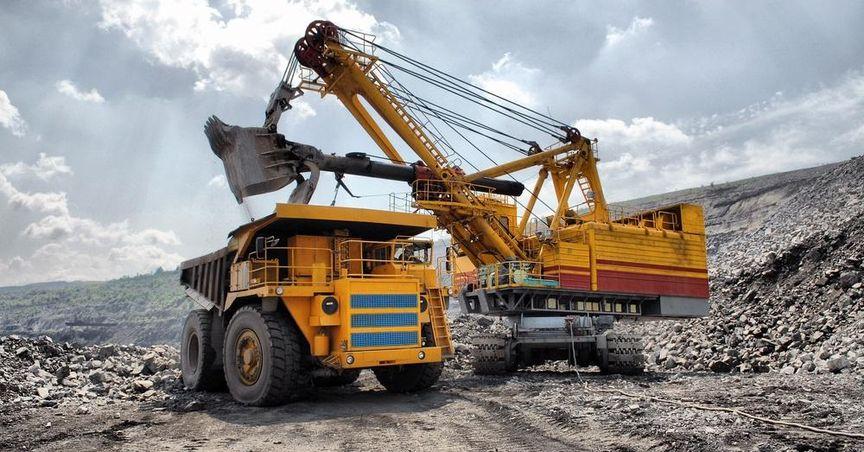
Mining operations associated with IOC combine open-pit extraction, processing facilities, railway infrastructure, and marine shipping capabilities, creating an integrated production chain from mine to export terminal.
Geographic footprint and infrastructure
Operations connected to IOC are centred around Labrador City and Sept-les, supported by extensive transportation infrastructure developed specifically for iron ore production. Ore is processed into concentrate and pellets before shipment to customers located in multiple international markets.
The railway connecting Labrador mining operations with Quebec's port facilities plays an important role in maintaining consistent transportation capacity throughout the year. Port infrastructure enables large-scale marine exports, supporting Canada's participation in global iron ore trade.
Environmental conditions remain an important operational consideration because northern mining activities are exposed to seasonal weather events, including heavy snowfall, extreme temperatures, and wildfire conditions during warmer months.
Industry developments
Iron ore production continues to support steel manufacturing across numerous industries, including automotive manufacturing, construction materials, heavy equipment, shipbuilding, and engineering applications. Canadian producers compete alongside suppliers from Australia, Brazil, and several other mining regions.
Operational efficiency, transportation capacity, processing performance, and shipping schedules remain important components of iron ore production. Mining companies also continue developing initiatives related to operational sustainability, emissions reduction, water management, and environmental stewardship across production sites.
Labrador Iron Ore Royalty (TSX:LIF) remains connected to these broader industry developments through IOC's mining operations and production activity. Corporate updates continue to provide information regarding production volumes, shipment levels, operational conditions, and mining activity as developments occur across facilities associated with IOC.
