
 AUS
AUS
 NZ
NZ
 UK
UK
 CA
CA
 USA
USA
 IND
IND






Highlights
- Permit delay at KSM project draws attention to regulatory progress
- Legal dispute adds complexity to project development timeline
- Valuation metrics reflect divergence from broader mining sector
Seabridge Gold in the S&P TSX smallcap Index faces attention due to KSM permit delays, legal proceedings, and valuation positioning within Canada’s mining sector landscape.
Seabridge Gold operates within the metals and mining sector, focusing on gold exploration and development across large-scale resource projects. Activity surrounding the company has gained renewed attention within the S&P TSX smallcap Index, where mining firms often reflect evolving conditions tied to resource development and regulatory approvals. The company’s flagship asset, the KSM project in British Columbia, remains central to its operational narrative.
Permit Delay and Regulatory Context
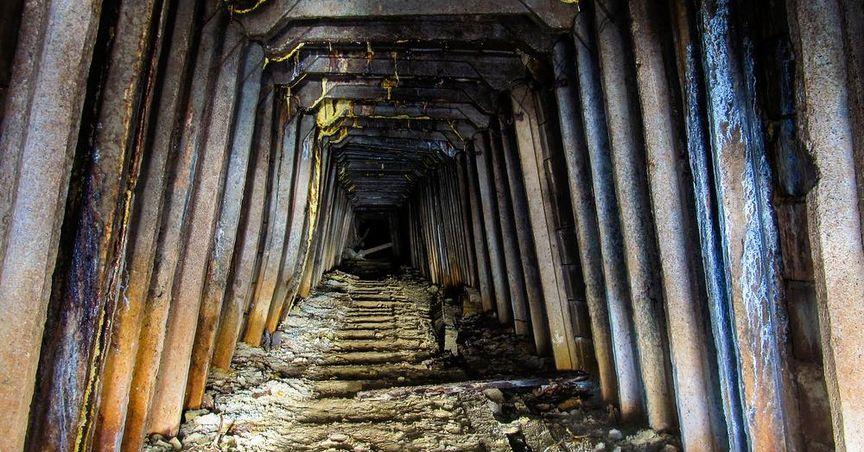
Recent developments have highlighted a delay in a permit amendment related to the Mitchell Treaty Tunnels at the KSM project. Authorities in British Columbia have deferred the approval process pending the resolution of a legal dispute involving Tudor Gold. This development has introduced an additional layer of complexity to an already detailed regulatory framework governing large-scale mining operations.
Permitting processes for major mining projects often involve extensive environmental reviews, infrastructure assessments, and coordination with multiple stakeholders. In this context, the delay reflects procedural requirements tied to project modifications and legal clarity. The timing of such approvals plays a significant role in shaping project progression and associated planning activities.
Legal Dispute and Project Implications
The ongoing dispute between Seabridge Gold (TSX:SEA) and Tudor Gold relates to aspects of project access and development rights within the broader KSM property. Legal proceedings in such cases typically address land usage, infrastructure pathways, and operational coordination between adjacent or overlapping claims.
This dispute has drawn attention due to its potential influence on construction timelines and project sequencing. Mining developments of this scale often require coordinated infrastructure, including tunnels, processing facilities, and transportation networks. Any uncertainty tied to legal outcomes can affect scheduling and logistical planning.
Valuation Perspective Within the Sector
Market valuation measures have placed Seabridge Gold (TSX:SEA) at a level above certain peers within the Canadian mining segment. A commonly referenced metric, the ratio comparing market value to book value, indicates a premium relative to industry averages.
For companies engaged primarily in exploration and development rather than active production, such metrics often reflect expectations tied to resource potential and long-term project viability. The KSM project, known for its large mineral resource base, plays a central role in shaping these perceptions.
At the same time, financial statements indicate that the company operates without active revenue generation from production activities. Reported losses and limited liquidity horizons are characteristic of firms in similar stages of development. These factors contribute to ongoing evaluation of how market value aligns with underlying assets and project status.
Financial Position and Operational Status
Seabridge Gold maintains a structure typical of exploration-focused mining entities, with expenditures directed toward project development, permitting, and technical studies. The absence of producing mines results in reliance on external funding mechanisms to sustain operations and advance project milestones.
Cash reserves and expenditure patterns indicate a finite operational runway under current conditions. Continued progress at KSM and other assets remains dependent on regulatory approvals, legal clarity, and access to capital resources.
Despite these constraints, the scale of the KSM project continues to position the company within discussions surrounding large undeveloped gold resources. The project’s long-term scope includes extensive infrastructure requirements and multi-phase development planning.
Industry Dynamics and Market Position
The gold exploration sector is influenced by a combination of commodity trends, regulatory environments, and technological advancements in mining processes. Companies operating within this segment often experience fluctuations in market attention based on project milestones, permitting updates, and broader economic factors.
Within the tsx small cap index, firms like Seabridge Gold (TSX:SEA) reflect the early-stage and development-oriented nature of many listed entities. This segment of the market often includes companies advancing projects through feasibility, environmental review, and initial construction phases.
Seabridge Gold’s emphasis on large-scale resource development distinguishes it from smaller exploration firms with limited asset bases. The KSM project’s size and complexity place it among notable undeveloped mining assets in North America, contributing to its visibility within the sector.
Broader Context of Project Development
Large mining projects such as KSM typically progress through multiple stages, including exploration, resource estimation, environmental assessment, and permitting. Each phase involves detailed technical and regulatory processes that can extend over extended periods.
Infrastructure requirements, including transportation routes, energy supply, and processing facilities, further add to project complexity. Coordination with government agencies and adherence to environmental standards remain integral components of development.
The interplay between regulatory timelines and legal proceedings underscores the multifaceted nature of advancing such projects. As developments unfold, attention remains focused on milestones that define the path toward potential construction and operation.
