
 AUS
AUS
 NZ
NZ
 UK
UK
 CA
CA
 USA
USA
 IND
IND






Highlights
- Improved profitability reflects operational progress within the industrial sector
- Strategic alliance expands capabilities in defense and aerospace manufacturing
- Balance sheet adjustments align with evolving production and partnership activity
An overview of Magellan Aerospace within the TSX smallcap Index, focusing on improved profitability, balance sheet strength, and evolving industrial sector partnerships in aerospace manufacturing.
The industrial sector within the TSX smallcap Index includes companies engaged in manufacturing, engineering, and aerospace systems. Magellan Aerospace Corporation operates within this segment, focusing on the design and production of aerospace components and systems for commercial and defense applications. Recent developments highlight a combination of improved profitability, strengthened financial positioning, and a strategic alliance aimed at expanding capabilities.
Operational Performance and Profitability Trends
Magellan Aerospace Corporation (TSX:MAL) has reported improved profitability compared with earlier periods, reflecting enhanced operational efficiency and steady demand across its product lines. Revenue generation remains tied to long-term contracts within aerospace manufacturing, where production schedules and delivery timelines influence financial outcomes.
Profitability improvements are often associated with cost management initiatives and optimized production processes. In aerospace manufacturing, efficiency gains can arise from streamlined supply chains, refined engineering processes, and consistent order fulfillment. These factors contribute to the overall financial performance observed in recent reporting periods.
Strategic Alliance and Industry Collaboration
A notable development involves the establishment of a strategic alliance with a defense-focused partner aimed at advancing submarine-related capabilities. This collaboration reflects an expansion of activities within defense manufacturing, complementing existing aerospace operations. Partnerships of this nature often involve shared expertise, technical integration, and coordinated project execution.
Such alliances can influence the scope of manufacturing capabilities, particularly in specialized areas requiring advanced engineering. The integration of aerospace and defense expertise supports the development of complex systems, aligning with broader trends in the industrial sector where cross-segment collaboration is increasingly common.
Balance Sheet Position and Financial Structure
Magellan Aerospace Corporation (TSX:MAL) has also reported improvements in its balance sheet profile, including adjustments that strengthen financial stability. A refined debt-to-equity structure indicates efforts to manage liabilities while maintaining operational flexibility. Financial structure plays a role in supporting ongoing manufacturing activities and capital requirements.
Balance sheet improvements can enhance the ability to sustain production levels and engage in strategic initiatives. In the industrial sector, maintaining a stable financial foundation supports long-term contracts and project-based work, where consistent execution is essential.
Sector Context and Market Position
Midway through developments across the industrial sector, the TSX smallcap Index provides context for understanding how smaller-cap aerospace companies are positioned within the broader equity landscape. Companies in this category often focus on specialized manufacturing niches, differentiating through technical expertise and targeted product offerings.
The aerospace and defense segment within the industrial sector continues to evolve with advancements in technology and shifting demand patterns. Manufacturers operate within a framework shaped by government contracts, commercial aviation needs, and global supply chain dynamics.
Manufacturing Capabilities and Product Portfolio
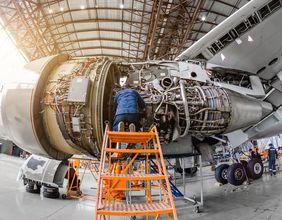
Magellan Aerospace’s (TSX:MAL) product portfolio includes components for aircraft engines, structural assemblies, and space systems. These products are designed to meet stringent regulatory and performance standards required in aerospace applications. Manufacturing processes involve precision engineering, quality assurance, and adherence to industry specifications.
The company’s capabilities extend across multiple stages of production, from initial design to final assembly. This integrated approach allows coordination across engineering and manufacturing functions, supporting consistent output across product lines.
Industry Trends and Technological Development
Technological advancement remains a defining feature of the aerospace segment within the industrial sector. Developments in materials science, digital manufacturing, and automation influence production methods and product design. Companies engaged in aerospace manufacturing adapt to these changes by incorporating new technologies into their operations.
Demand for advanced aerospace components continues to be driven by both commercial aviation and defense requirements. The integration of innovative technologies supports improved performance, efficiency, and reliability in aerospace systems.
