
 AUS
AUS
 NZ
NZ
 UK
UK
 CA
CA
 USA
USA
 IND
IND

_07_03_2026_03_50_21_133108.jpg)




Highlights
- Vermilion Energy operates as an international oil and gas exploration and production company.
- Operations extend across North America, Europe, and Australia with diversified resource assets.
- Market activity around energy companies often aligns with broader movements in the s and p tsx index.
Canada’s energy sector plays a significant role in global hydrocarbon production, with companies engaged in exploration and extraction across multiple regions. Vermilion Energy Inc. (TSX:VET) operates within this sector, focusing on oil and natural gas development through full cycle exploration and production programs. The activities of energy companies are often linked with broader market benchmarks such as the s and p tsx index, which reflects performance across major Canadian industries including energy, financial services, and materials. The presence of oil and gas producers within this benchmark highlights the sector’s influence on Canada’s industrial structure.
Vermilion Energy Inc. engages in the acquisition, development, and optimization of producing properties across various geographic regions. These operations involve identifying hydrocarbon reservoirs, drilling wells, and managing production systems that extract petroleum and natural gas resources. Through these activities, the company contributes to a global energy supply chain that connects upstream extraction with downstream distribution and consumption.
Exploration and Development Across Global Regions
Energy exploration involves the identification of subsurface reservoirs containing hydrocarbons such as crude oil and natural gas. This process typically includes geological mapping, seismic data collection, and exploratory drilling to confirm the presence of resources within a formation. Once confirmed, development programs establish infrastructure to support extraction and production activities.
Vermilion Energy operates across multiple regions, including North America, Europe, and Australia. Each region presents distinct geological characteristics and regulatory environments. In North America, operations often occur within sedimentary basins known for oil and gas deposits, while European and Australian projects may involve offshore and onshore reservoirs with varying extraction techniques.
International diversification allows energy producers to access a broad range of hydrocarbon resources. This approach supports production across different geological environments while connecting operations to regional energy markets.
Production of Oil and Natural Gas Resources
Hydrocarbon production involves extracting crude oil and natural gas from reservoirs located beneath the earth’s surface. Crude oil production typically includes drilling wells into reservoir formations, followed by the use of pumps or pressure systems to bring hydrocarbons to the surface. Natural gas extraction follows a similar process, with additional steps to process and transport gaseous hydrocarbons.
Produced oil undergoes separation and stabilization before being transported through pipelines or shipping systems to refineries. Natural gas is processed to remove impurities and separate valuable components such as natural gas liquids. These resources are then distributed through pipeline networks that supply residential, commercial, and industrial energy needs.
The operational framework of Vermilion Energy Inc. (TSX:VET) includes continuous monitoring of production systems to maintain consistent extraction levels across its portfolio. Production activities depend on infrastructure that connects wells, processing facilities, and transportation networks.
Infrastructure Supporting Energy Operations
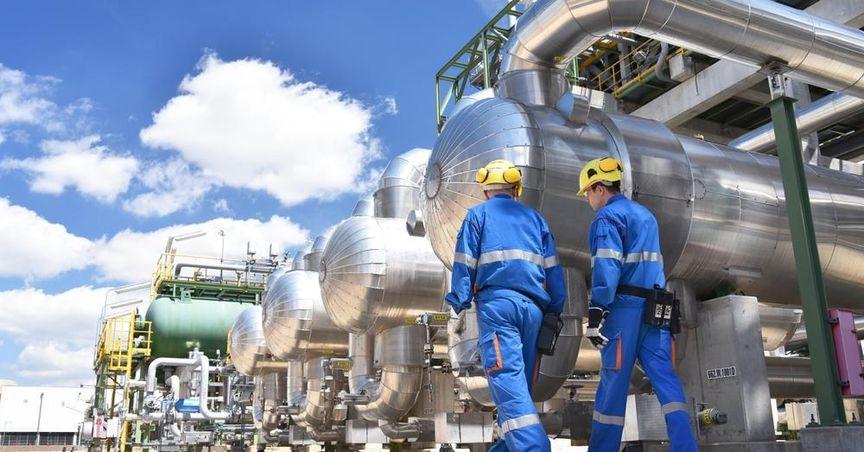
Energy extraction requires a complex network of infrastructure designed to support drilling, production, and transportation. Facilities include drilling rigs, well pads, pipelines, storage systems, and processing plants. These components function together to enable efficient movement of hydrocarbons from reservoirs to end markets.
In onshore environments, well pads serve as central locations for drilling operations. Multiple wells may be drilled from a single pad using horizontal drilling techniques, which allow access to a larger portion of the reservoir. Offshore operations involve platforms and subsea systems designed to operate in marine conditions.
Processing facilities separate hydrocarbons into usable components, ensuring that crude oil and natural gas meet quality standards before entering transportation networks. Pipeline systems then connect production sites with refineries and distribution hubs.
Market Activity and Energy Sector Representation
Energy companies form a significant portion of Canadian market benchmarks such as the s&p tsx composite index. These benchmarks track companies across sectors including energy, finance, and industrial production. The inclusion of oil and gas producers reflects the importance of hydrocarbon resources in Canada’s economy.
Market activity surrounding energy companies often reflects changes in production levels, operational developments, and broader industry trends. Energy producers contribute to supply chains that extend from extraction sites to refining and distribution networks, supporting both domestic and international energy demand.
The operational scale of companies such as Vermilion Energy demonstrates the interconnected nature of global energy markets. Production activities across multiple regions contribute to a diversified supply of hydrocarbons used in transportation, manufacturing, and power generation.
Dividend Distribution and Financial Structure
Energy companies may distribute periodic payments to shareholders as part of their financial structure. These distributions are typically linked to corporate earnings and operational performance. Vermilion Energy has maintained a distribution framework that reflects its production activities and financial position.
Financial structures within energy companies often include metrics related to liquidity, leverage, and operational efficiency. These measures provide insights into the company’s ability to sustain operations and manage resources within the context of ongoing production programs.
Operational performance is influenced by factors such as production volumes, resource availability, and infrastructure efficiency. These elements contribute to the overall financial framework supporting energy development activities.
