
 AUS
AUS
 NZ
NZ
 UK
UK
 CA
CA
 USA
USA
 IND
IND




Highlights
- Tourmaline Oil operates as a major natural gas producer within Canada’s energy sector.
- Core operations are concentrated in the Western Canadian Sedimentary Basin.
- Industry visibility aligns with broader energy representation in the s&p composite index.
Canada’s natural gas production sector forms an essential component of the national energy system, supporting domestic consumption and export markets. Tourmaline Oil Corp. operates within this environment as a prominent exploration and production company focused on natural gas development. Companies engaged in large scale energy production are often associated with benchmarks such as the s&p composite index, which reflects corporate activity across major Canadian industries including energy, financial services, and materials. The inclusion of energy producers within this benchmark highlights the significance of natural gas and petroleum resources within Canada’s industrial structure.
Tourmaline Oil Corp. (TSX:TOU) conducts exploration, development, and production activities primarily within Western Canada. Operations are centered on natural gas extraction, supported by infrastructure and resource development programs designed to maintain consistent production from established reserves. The company’s operational model focuses on large scale resource development within regions known for significant hydrocarbon deposits.
Natural Gas Production Across Western Canada
The Western Canadian Sedimentary Basin represents one of the most resource rich hydrocarbon regions in North America. This geological formation contains extensive deposits of natural gas and associated liquids. Exploration within this basin typically involves seismic surveys and geological mapping designed to identify reservoir structures containing recoverable resources.
Development of natural gas reservoirs requires drilling programs that access subsurface formations. Horizontal drilling techniques are frequently employed to increase contact with the reservoir, enhancing production efficiency. Once wells are established, natural gas flows through gathering systems toward processing facilities.
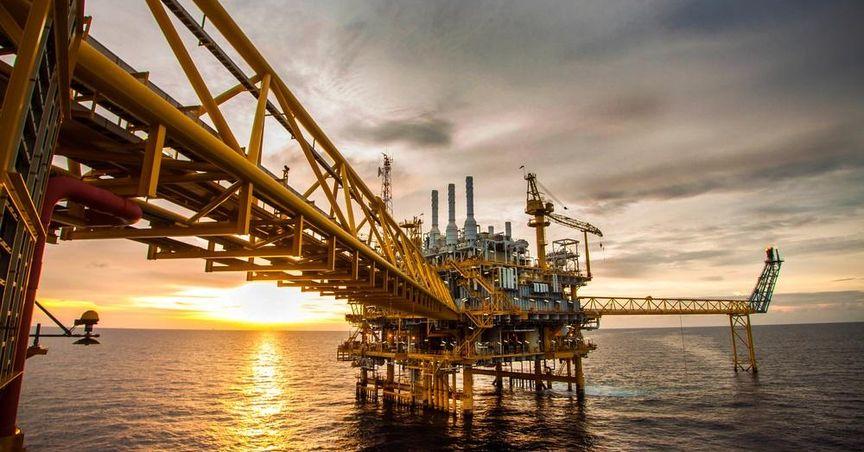
Tourmaline Oil Corp. operates across several core areas within this basin, focusing on regions that support large scale natural gas extraction. Infrastructure associated with these operations includes well pads, pipelines, and processing facilities designed to handle high volumes of gas production.
Integrated Exploration and Development Approach
Energy production companies often integrate exploration and development processes to manage resource extraction efficiently. Exploration activities identify new reservoir opportunities, while development programs establish the infrastructure required to extract hydrocarbons from these reservoirs.
Tourmaline Oil employs a continuous development model that combines drilling programs with infrastructure expansion. This approach enables the company to maintain production levels across its operational areas while supporting long term resource utilization. Reservoir management strategies also play a role in sustaining production, ensuring that extraction methods align with geological conditions.
Processing facilities linked to natural gas production separate hydrocarbons into usable components. Natural gas liquids are extracted alongside gas streams and may be transported to specialized facilities for further handling. These processes contribute to a diversified production structure within the natural gas sector.
Energy Sector Representation in Market Benchmarks
Energy companies remain a significant component of major Canadian market indicators such as the s&p tsx composite benchmark. This benchmark reflects the performance of companies across sectors including energy, financial services, industrial production, and telecommunications. Natural gas producers contribute to this representation due to their role in supplying energy resources used across multiple industries.
Canada’s energy sector includes exploration firms, production companies, and infrastructure providers that collectively support hydrocarbon extraction and distribution. Natural gas plays an important role in energy generation, industrial processes, and residential heating, linking production activities with broader economic functions.
Tourmaline Oil’s presence within the Canadian energy landscape reflects the scale and importance of natural gas production within the national economy. Through exploration and production activities in resource rich regions, the company contributes to the broader energy supply chain that supports domestic and international energy demand.
Infrastructure and Operational Efficiency
Natural gas production requires a coordinated network of infrastructure components that support extraction, processing, and transportation. Facilities include drilling rigs, well pads, compressor stations, and pipeline systems that transport gas from reservoirs to market hubs.
Processing plants remove impurities and separate gas streams into various hydrocarbon components. These facilities ensure that natural gas meets quality standards required for distribution through pipeline networks. Compressor stations maintain pressure within pipelines, enabling efficient movement of gas across long distances.
Technological advancements have influenced operational efficiency across the energy sector. Innovations in drilling techniques, reservoir modeling, and data analysis contribute to improved understanding of subsurface formations. These advancements support more precise drilling and resource management practices.
Resource Base and Long Term Development Planning
Large scale energy production relies on a substantial reserve base capable of supporting ongoing extraction activities. The Western Canadian Sedimentary Basin contains significant natural gas reserves that provide a foundation for sustained production across multiple decades.
Tourmaline Oil (TSX:TOU) maintains a broad inventory of drilling locations across its operational regions. This inventory supports ongoing exploration and development programs designed to access additional hydrocarbon resources within existing fields. Development planning involves coordination between geological studies, drilling programs, and infrastructure expansion to optimize resource recovery.
Operational continuity also depends on logistical systems that connect extraction sites with transportation networks. Pipeline infrastructure plays a central role in delivering natural gas from production areas to processing plants and distribution systems.
