
 AUS
AUS
 NZ
NZ
 UK
UK
 CA
CA
 USA
USA
 IND
IND



Highlights
- Energy sector developments highlight governance and capital allocation themes
- Operational focus connects oil sands activity with broader market benchmarks
- Corporate updates frame evolving industry positioning
Integrated energy discussion covers Suncor Energy operations, governance structure, capital allocation framework, and S&P TSX 60 positioning within large scale industrial supply chains.
The integrated energy sector encompasses upstream extraction, upgrading, refining, and distribution activities that support fuel and materials supply chains. Within this landscape, Suncor Energy Suncor Energy (TSX:SU) operates across oil sands production, refining infrastructure, and logistics networks that connect resource development with end markets. Sector context is frequently discussed alongside the S&P TSX 60 Index , a benchmark grouping of major Canadian issuers. References to the s&p 60 index, s and p 60, and s and p tsx 60 illustrate how large energy producers are situated within diversified market measures that reflect industrial scale and operational breadth.
Governance Developments And Corporate Structure
Suncor Energy (TSX:SU) recently communicated board level changes that align with broader governance frameworks common among large integrated energy companies. Board composition influences oversight structures, committee organization, and strategic review processes that guide capital intensive operations. Governance frameworks in the energy sector typically emphasize operational safety, environmental stewardship, and asset optimization within established regulatory environments.
Board refresh activity can coincide with evolving operational priorities, including efficiency initiatives and infrastructure modernization. For integrated producers, governance structures connect executive oversight with field operations, refinery management, and logistics coordination. These linkages support consistent decision pathways that align asset deployment with long cycle project planning.
Corporate governance practices are embedded within reporting systems that document operational milestones, compliance measures, and stakeholder communications. For Suncor Energy (TSX:SU), disclosure activity surrounding governance changes contributes to transparency regarding organizational direction while maintaining continuity across production and refining segments.
Capital Allocation And Distribution Framework
Integrated energy companies deploy capital across exploration, production optimization, maintenance programs, and downstream assets. Suncor Energy (TSX:SU) has outlined capital allocation approaches that include shareholder distributions alongside reinvestment in core operations. Distribution frameworks are structured to balance operational funding with structured capital deployment cycles characteristic of resource intensive industries.
Oil sands development requires sustained infrastructure support, including extraction facilities, upgrading units, and transportation systems. Capital allocation decisions influence equipment modernization, digital monitoring systems, and reliability enhancements that maintain throughput consistency. Distribution activity exists within this broader funding architecture, linking corporate finance practices with operational continuity.
Energy sector capital frameworks often reflect commodity cycle sensitivity, project timelines, and asset maintenance requirements. Integrated producers coordinate planning across upstream and downstream operations to sustain output while managing facility upgrades and environmental controls. These processes illustrate the interconnected nature of capital planning within large scale resource enterprises.
Oil Sands Operations And Industrial Integration
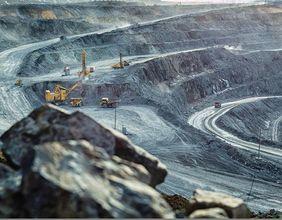
Oil sands production forms a central component of Suncor Energy (TSX:SU)’s operational footprint, combining extraction techniques with upgrading capabilities that convert bitumen into transportable products. Industrial integration extends into refining assets that process feedstock into fuels and petrochemical inputs. This vertically integrated model connects resource extraction with end product distribution.
Operational systems in oil sands facilities include material handling, thermal processing, and environmental management technologies designed to support stable production. Integration with refining infrastructure allows coordinated feedstock flows that align upstream output with downstream processing capacity. Logistics networks further connect these assets with distribution channels.
Energy producers operating integrated models often emphasize reliability engineering, maintenance scheduling, and environmental monitoring as part of routine facility management. These systems support consistent throughput while addressing regulatory frameworks governing emissions, land stewardship, and water use.
Market Benchmark Context And Sector Positioning
Large energy issuers are frequently evaluated within the context of diversified benchmarks that aggregate industrial representation. Participation in frameworks associated with the S&P TSX 60 connects Suncor Energy (TSX:SU) with other major Canadian enterprises spanning finance, materials, and telecommunications. Benchmark inclusion reflects scale, operational reach, and sector significance within the national economy.
Energy sector positioning within benchmark structures highlights the role of hydrocarbons in transportation, manufacturing, and consumer supply chains. Integrated producers contribute to infrastructure resilience through refining capacity, storage systems, and distribution logistics. These attributes underscore the sector’s structural presence within broader economic activity.
Discussions surrounding the s and p 60 framework often reference industrial diversity and capital intensity across constituent companies. Energy producers provide exposure to resource development cycles, infrastructure management, and commodity processing capabilities that complement other sectors represented in benchmark groupings.
Operational Reporting And Industry Transparency
Public energy companies maintain structured reporting practices that detail operational performance, maintenance activity, and corporate governance updates. Suncor Energy (TSX:SU) communicates developments through established disclosure channels that align with regulatory standards and industry reporting conventions. These communications provide structured insight into facility operations, capital deployment themes, and governance evolution.
Transparency frameworks integrate environmental metrics, safety reporting, and production summaries within formal disclosure documents. For integrated producers, reporting practices connect field operations with corporate oversight, reinforcing accountability across complex asset portfolios. Industry transparency supports informed understanding of operational scope without implying transactional actions.
Energy sector reporting also addresses long cycle infrastructure planning, environmental compliance, and asset reliability programs. These disclosures situate operational activity within broader industrial and regulatory contexts, reflecting the multifaceted nature of integrated energy production.
