
 AUS
AUS
 NZ
NZ
 UK
UK
 CA
CA
 USA
USA
 IND
IND


.jpg)



Highlights
- Canadian oil producer activity draws attention following operational updates and capital management developments.
- Oil sands and thermal resource projects remain central to upstream operations.
- Market discussion focuses on recent authorization of a share repurchase program.
Strathcona Resources developments in oil sands extraction and capital management highlight the company’s role within Canada’s energy sector represented by the S&P TSX Index.
Canada’s energy sector includes numerous companies engaged in exploration, development, and production of hydrocarbon resources across diverse geological regions. Within this sector, Strathcona Resources (TSX:SCR) operates as an oil producer with operations focused on thermal projects and oil sands development. Recent corporate developments involving capital management initiatives have drawn market attention toward the company’s activities. Energy producers such as Strathcona Resources form part of the broader Canadian market landscape reflected in benchmarks like the S&P TSX Index, which includes companies representing key sectors of the national economy.
Oil production in Canada relies on several extraction techniques designed to access resources located within sedimentary formations and oil sands deposits. Companies operating in these environments frequently combine conventional drilling with thermal extraction processes used to recover heavy crude from underground reservoirs. Developments surrounding Strathcona Resources illustrate the broader operational environment of companies involved in large scale hydrocarbon production across Canada.
Oil Sands Development and Thermal Extraction
Heavy crude production from oil sands formations requires specialized extraction methods designed to separate hydrocarbons from sand and clay deposits. Within this environment, Strathcona Resources (TSX:SCR) focuses on thermal extraction projects that enable production from reservoirs containing viscous crude.
Thermal extraction techniques typically involve injecting steam into underground formations to heat the reservoir and reduce the viscosity of crude oil. Once heated, the crude becomes more fluid and can flow toward production wells where it is transported to surface facilities for processing.
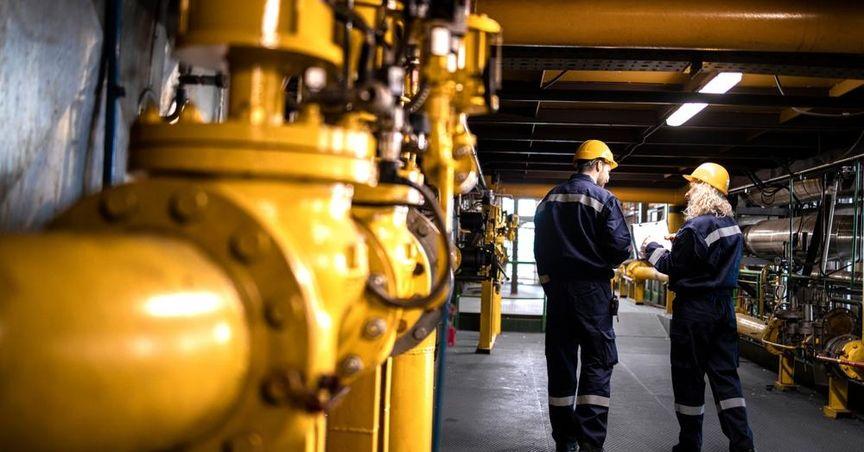
Facilities supporting thermal production often include steam generation units, water treatment systems, and pipelines connecting wells with processing installations. Engineers and technical specialists monitor reservoir conditions to maintain consistent production levels across operating sites.
Oil sands extraction represents a significant component of Canada’s hydrocarbon industry. The region contains extensive deposits of heavy crude that require specialized production techniques distinct from conventional oil drilling. Companies operating in these areas maintain large infrastructure networks supporting drilling operations, reservoir management, and crude transportation.
Corporate Developments and Capital Management
Corporate updates recently highlighted the authorization of a share repurchase program associated with Strathcona Resources (TSX:SCR). Repurchase programs represent one of several capital management tools used by publicly listed companies as part of corporate financial planning.
Such programs allow a company to reacquire a portion of its outstanding shares through open market transactions conducted over time. These initiatives typically require regulatory approval from the relevant exchange and must comply with established trading guidelines.
Corporate financial updates accompanying the authorization referenced operating performance during the most recent reporting period. While overall revenue reflected a slight decline compared with the previous reporting cycle, net earnings and per share results recorded improvement.
Financial results often reflect changes in operational efficiency, cost structures, and production performance across energy extraction projects. Oil producers operating within thermal and oil sands environments regularly adjust operational strategies to maintain output stability while managing infrastructure requirements.
Energy Sector Presence Within the Canadian Market
Canada’s equity market includes numerous companies involved in resource extraction, financial services, manufacturing, and industrial development. Energy producers remain a central component of this economic landscape due to the scale of hydrocarbon resources located across the country.
Benchmarks tracking Canadian market activity frequently include companies operating within energy exploration and production sectors. Within this framework, the s&p tsx composite represents a broad measure of companies contributing to national economic activity across multiple industries.
Oil producers involved in oil sands development often attract attention due to the scale and technical complexity of extraction operations. Thermal extraction projects require substantial infrastructure and long term operational planning to maintain consistent hydrocarbon output.
The presence of energy producers within Canadian market benchmarks reflects the importance of natural resources within the national economy. Companies involved in oil production, natural gas development, and energy infrastructure contribute to domestic energy supply and international exports.
Resource Infrastructure and Environmental Considerations
Oil sands development requires extensive infrastructure designed to support extraction, processing, and transportation of heavy crude. Facilities associated with these operations include pipelines, storage tanks, processing plants, and transportation networks connecting production regions with refining hubs.
Environmental management remains an important component of oil sands operations. Companies operating within these regions implement monitoring systems designed to track emissions, water usage, and land management practices associated with resource development.
Water recycling systems, land reclamation programs, and emissions monitoring technologies represent examples of environmental management initiatives applied within oil sands production environments. Regulatory frameworks governing resource extraction require adherence to environmental standards established by provincial and federal authorities.
Energy companies operating within this sector maintain engineering teams responsible for ensuring infrastructure integrity and operational safety. These teams oversee equipment maintenance, facility monitoring, and environmental compliance procedures across production sites.
Within the broader context of Canadian resource development, Strathcona Resources (TSX:SCR) remains engaged in oil production activities connected to thermal extraction projects and oil sands operations while contributing to the country’s energy industry presence.
