
 AUS
AUS
 NZ
NZ
 UK
UK
 CA
CA
 USA
USA
 IND
IND

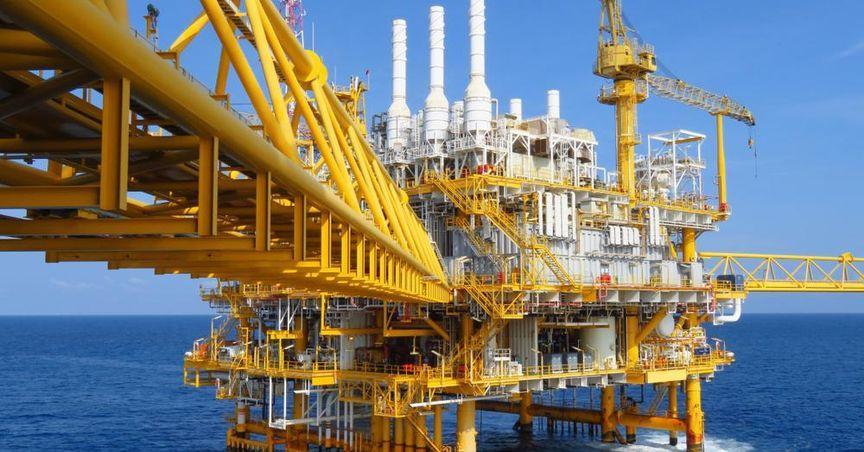




Highlights
- Pembina Pipeline operates as a midstream energy transportation and infrastructure company.
- Extensive pipeline and processing assets support hydrocarbon movement across North America.
- Market activity surrounding the company reflects broader energy infrastructure trends within the S&P/TSX 60.
Pembina Pipeline Corporation (TSX:PPL) functions as a midstream service provider focused on transportation, processing, and logistics of hydrocarbons. Companies operating in this segment are often associated with benchmarks such as the S&P/TSX 60, which includes major corporations across finance, energy, and industrial sectors. The presence of midstream companies within this benchmark highlights the importance of infrastructure in maintaining energy supply chains.
Pembina Pipeline Corporation has developed an extensive network of assets that facilitate the movement of crude oil, natural gas, and natural gas liquids. These assets form part of an integrated value chain designed to connect production regions with processing facilities and end markets. Through this infrastructure, the company contributes to the operational flow of hydrocarbons across Canada and into international markets.
Midstream Infrastructure and Energy Transportation
Midstream operations represent a critical segment within the energy industry, focusing on the transportation, storage, and processing of hydrocarbons. Pipeline systems form the backbone of this segment, enabling efficient movement of oil and natural gas from production sites to refineries, storage facilities, and export terminals.
Pembina Pipeline Corporation operates pipeline networks that transport a range of hydrocarbon products across key regions in North America. These networks include systems designed for crude oil, natural gas liquids, and natural gas. Pipelines reduce reliance on alternative transportation methods by providing continuous flow of energy resources through dedicated infrastructure.
In addition to pipelines, midstream companies manage storage facilities that allow hydrocarbons to be held before further distribution. Storage capacity supports operational flexibility within energy supply chains by balancing production volumes with transportation and processing capacity.
Gas Gathering and Processing Operations
Gas gathering and processing facilities form another core component of midstream infrastructure. These systems collect raw natural gas from production wells and transport it to processing plants where impurities and unwanted components are removed.
Processing facilities operated within the midstream segment separate natural gas into usable forms, including pipeline quality gas and natural gas liquids. This separation process ensures that gas entering transmission pipelines meets required specifications for distribution and consumption.
Natural gas liquids extracted during processing include hydrocarbons used in petrochemical manufacturing and fuel applications. These products are transported through dedicated infrastructure networks to markets requiring feedstock for industrial and energy uses.
Integrated Logistics and Export Capabilities
Beyond transportation and processing, midstream companies provide logistics services that facilitate movement of hydrocarbons across regional and international markets. Infrastructure supporting these services includes rail terminals, storage hubs, and export terminals located near coastal regions.
Export terminals play an important role in connecting domestic energy production with global markets. These facilities enable the loading of hydrocarbon products onto marine vessels for international distribution. Integrated logistics systems coordinate the movement of resources from production sites through pipelines and storage facilities to export points.
The integration of transportation, storage, and export capabilities creates a continuous flow of hydrocarbons across the energy supply chain. This system supports the distribution of petroleum products to industrial, commercial, and residential users.
Asset Network Across North America
Pembina Pipeline Corporation (TSX:PPL) operates a geographically diverse asset base extending across Western Canada and into key regions connected with energy production. Infrastructure within these areas supports the movement of hydrocarbons from resource rich basins to processing and distribution centers.
Western Canada remains a central hub for oil and natural gas production, particularly within sedimentary basins containing significant hydrocarbon reserves. Pipeline systems originating in these regions transport resources toward refining and export facilities located across the continent.
The company’s asset network includes liquids pipelines, gas gathering systems, processing plants, and storage terminals. Each component contributes to the overall efficiency of energy transportation and processing operations.
Role Within the Canadian Energy Framework
Energy infrastructure companies play a fundamental role in maintaining the stability of supply chains across the petroleum sector. By connecting production sites with markets, midstream operators enable continuous movement of hydrocarbons required for industrial activity and energy consumption.
The S&P 60 Index includes companies that represent key sectors within the Canadian economy. Within this framework, energy infrastructure firms contribute to the functioning of supply chains supporting crude oil, natural gas, and related products. Their operations link upstream extraction with downstream refining and distribution.
Technological advancements continue to shape midstream operations through improved monitoring systems, pipeline management tools, and processing technologies. These developments enhance operational efficiency and support the safe transportation of hydrocarbons across extensive networks.
