
 AUS
AUS
 NZ
NZ
 UK
UK
 CA
CA
 USA
USA
 IND
IND






Highlights
- Energy exploration and production activities form the foundation of Parex Resources operations across South American oil basins.
- Operational focus centers on crude oil development supported by geological evaluation and advanced exploration technologies.
- Market attention follows sector developments connected with companies tracked within Canadian small-capitalization benchmarks.
Comprehensive overview of Parex Resources oil exploration operations, drilling infrastructure, and regional production activity within the energy sector connected with the TSX smallcap Index.
The global energy sector includes companies engaged in exploration, development, and production of crude oil resources across diverse geographic regions. These enterprises operate through geological studies, drilling programs, and production infrastructure designed to extract hydrocarbons from underground reservoirs. Parex Resources represents an exploration and production company within this field, concentrating primarily on oil development projects in South America. Market discussions connected with energy producers sometimes reference benchmarks such as the TSX smallcap Index, which tracks smaller Canadian public companies across various sectors including energy, mining, and technology.
Energy Exploration and Geological Assessment
Oil exploration relies on a combination of geological expertise and technological tools designed to identify hydrocarbon deposits beneath the earth’s surface. Seismic imaging, geological mapping, and reservoir modeling form central elements within this process. Specialists examine subsurface formations to determine the presence of oil-bearing rock layers capable of supporting production activities.
Within exploration programs associated with Parex Resources (TSX:PXT), geological teams conduct extensive fieldwork and data interpretation to locate potential drilling locations. Seismic surveys generate detailed subsurface images by sending sound waves through geological formations and measuring reflected signals. These data sets assist geologists in mapping structural features that may contain hydrocarbon accumulations.
Once promising formations are identified, exploratory wells allow further evaluation of reservoir characteristics. Drilling equipment penetrates rock layers to retrieve core samples and measure fluid presence, pressure conditions, and permeability within underground formations.
Production Infrastructure and Field Operations
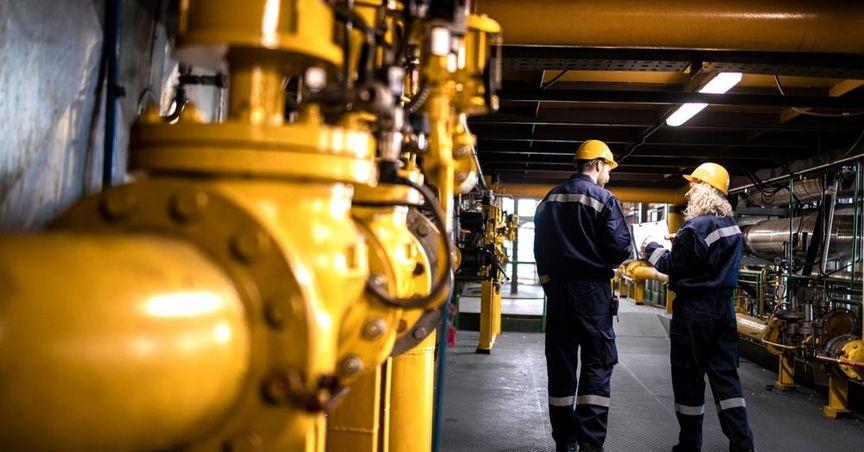
Following the identification of viable reservoirs, energy companies develop infrastructure necessary to extract and transport crude oil. Production fields typically include drilling rigs, wellheads, pipelines, storage facilities, and processing stations that separate oil, gas, and water components.
Operations linked with Parex Resources (TSX:PXT) emphasize crude oil production across several onshore basins. Extraction generally begins with drilling operations that create access points to underground reservoirs. Once wells become operational, mechanical systems lift crude oil to the surface where processing facilities remove impurities before transportation to refining centers.
Production sites often rely on pipeline networks connecting wells with central processing stations. From these facilities, oil travels through transportation infrastructure including pipelines, tanker trucks, or shipping terminals that connect production regions with refining facilities.
Technology in Modern Oil Development
Advances in exploration technology have transformed the oil industry by improving the accuracy of subsurface mapping and reservoir evaluation. Seismic imaging techniques generate detailed underground models that guide drilling decisions and resource development planning.
Three dimensional seismic imaging represents a widely used method within the exploration stage. This technique constructs layered images of underground structures, allowing geologists to interpret rock formations and structural traps where hydrocarbons accumulate. Reservoir simulation software further assists engineers in estimating production characteristics based on geological and pressure data.
In addition to exploration technologies, production operations incorporate monitoring systems designed to track well performance and reservoir conditions. Digital sensors installed at well sites measure flow rates, pressure levels, and operational conditions. These data streams enable engineers to manage extraction processes while maintaining operational continuity.
Regional Focus and South American Basins
Many energy companies maintain operations across regions with established hydrocarbon potential. South America contains several sedimentary basins recognized for crude oil deposits and ongoing exploration activities.
Oil fields connected with Parex Resources (TSX:PXT) activity operate primarily within Colombian basins where geological conditions support hydrocarbon accumulation. These basins consist of layered sedimentary formations formed through long geological processes involving deposition, compression, and structural movement within the earth’s crust.
Operations within such regions require coordination with regulatory authorities responsible for natural resource management. Energy producers typically conduct exploration and extraction activities under contractual frameworks that define operational responsibilities and resource development terms.
Sector Context and the tsx small cap index
Within Canadian capital markets, smaller publicly listed companies appear within benchmarks designed to track emerging or mid-sized corporate activity. The tsx small cap index represents one such benchmark, incorporating companies from sectors including energy, mining, industrial services, and technology development.
Energy producers within this segment often focus on specialized exploration programs or regional production activities rather than large multinational operations. Market observers sometimes examine developments surrounding companies operating within this benchmark to understand broader activity among smaller energy firms.
Operational updates related to exploration programs, drilling activity, and production infrastructure frequently contribute to discussions within the sector. Such developments highlight evolving activity across exploration regions and energy resource basins.
