
 AUS
AUS
 NZ
NZ
 UK
UK
 CA
CA
 USA
USA
 IND
IND


.jpg)

Highlights
- Oil and gas exploration activity reflects evolving production dynamics and commodity flows
- Market positioning influenced by operational efficiency and asset development trends
- Energy sector performance shaped by broader industrial and macroeconomic conditions
Headwater Exploration within the S&P TSX Index reflects oil and gas production dynamics, regional asset development, and broader energy sector influences across Canadian markets.
The oil and gas exploration and production sector plays a central role in global energy supply, with companies engaged in the extraction and development of hydrocarbons across multiple regions. Within this framework, Headwater Exploration operates as a Canadian producer focused on petroleum and natural gas assets in key domestic fields. Its inclusion in the S&P TSX Index reflects its participation in the broader energy and resource segment of Canada’s equity landscape.
Industry Context and Operational Focus
Headwater Exploration (TSX:HWX) is engaged in upstream energy activities involving the exploration, development, and production of crude oil and natural gas. Operations are concentrated in established producing regions, including assets in Alberta and New Brunswick. These areas contribute to a diversified production base supported by conventional extraction methods.
The energy sector is closely linked to global supply and demand conditions, with production levels influenced by infrastructure capacity, regulatory frameworks, and commodity flow patterns. Companies operating in this space typically manage a combination of mature fields and ongoing development projects, balancing output stability with resource optimization.
Within the middle of broader market movements, references to the s and p tsx index highlight the structural importance of energy producers within Canada’s equity composition. Energy-linked entities often contribute significantly to index performance due to their scale and sensitivity to global commodity cycles.
Production Assets and Regional Operations
Headwater Exploration (TSX:HWX) maintains a portfolio of producing assets distributed across select Canadian basins. These regions are characterized by established infrastructure, enabling efficient transportation and processing of hydrocarbons. The company’s operations focus on maximizing recovery from existing fields while integrating incremental development activities.
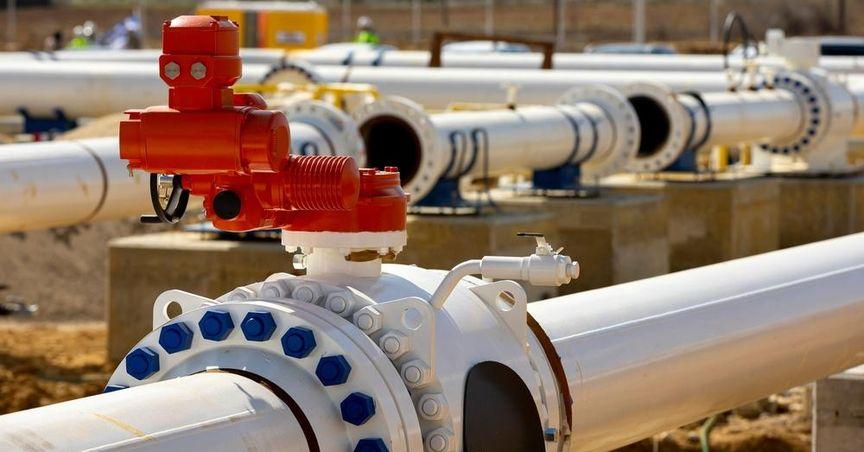
Crude oil represents a primary component of production output, complemented by natural gas and associated liquids. These outputs are transported through regional pipeline systems and processing facilities before entering broader distribution networks.
Operational performance in the energy sector is closely tied to reservoir characteristics, drilling efficiency, and field management practices. Variations in geological conditions and extraction techniques contribute to differences in production consistency across assets.
Financial Structure and Capital Allocation
The financial structure of Headwater Exploration reflects typical characteristics of upstream energy producers, where capital allocation is directed toward maintaining production capacity and developing existing reserves. Asset development programs are often phased, aligning infrastructure requirements with field performance.
Debt levels, liquidity positions, and operational cash flows are key structural elements within the sector. These components influence the ability to manage ongoing field development and maintenance activities. Capital expenditures are generally associated with drilling programs, facility upgrades, and transportation infrastructure.
Energy producers frequently operate within cycles influenced by external market conditions, requiring adjustments in spending patterns and operational focus. These cycles are shaped by commodity availability, transportation constraints, and regional production dynamics.
Sector Conditions and External Influences
The energy exploration and production industry is affected by a combination of geopolitical, environmental, and macroeconomic factors. Supply conditions in global oil markets can shift due to production decisions across major producing regions, infrastructure disruptions, or changes in demand patterns.
Regulatory frameworks also play a role in shaping operational environments. Environmental standards, emissions requirements, and land use regulations influence production methodologies and project development timelines.
Currency movements further affect companies operating in international markets, particularly those with revenue streams tied to globally traded commodities. These variables contribute to variability in reported operational outcomes across reporting periods.
Market Position and Comparative Dynamics
Headwater Exploration (TSX:HWX) operates within a competitive segment of the Canadian energy sector that includes both large integrated producers and smaller independent operators. Comparative positioning often reflects differences in asset base maturity, production efficiency, and geographic concentration.
Market behavior across energy producers tends to reflect changes in global commodity flows and regional production adjustments. Asset quality, operational reliability, and cost structures contribute to distinctions between companies within the same sector.
The energy segment’s role within the s and p tsx composite reinforces its importance in broader market composition. Resource-linked entities continue to represent a significant portion of Canada’s equity market structure, influenced by global demand cycles and domestic production capacity.
Operational Trends and Asset Development
Development activity within upstream energy companies often focuses on optimizing existing fields rather than expanding into entirely new regions. This approach emphasizes recovery efficiency, infrastructure utilization, and incremental production enhancements.
Technological advancements in drilling and reservoir management have contributed to more refined extraction methods. These improvements support more consistent output levels and better understanding of subsurface conditions.
Field maintenance and production optimization remain ongoing priorities, with operational decisions guided by geological data, infrastructure capacity, and regional production constraints.
