
 AUS
AUS
 NZ
NZ
 UK
UK
 CA
CA
 USA
USA
 IND
IND





Highlights
- Frontera Energy reported continued earnings weakness despite stable revenue activity.
- Offshore and onshore production operations remained central to the company’s energy sector position.
- Market discussion surrounding TSX Smallcap Index reflected attention toward operational efficiency within upstream energy companies.
Frontera Energy developments across the energy sector reflect operational efficiency challenges, upstream production activity, and evolving TSX Smallcap Index discussion within global energy markets.
The upstream energy sector remains influenced by commodity fluctuations, operational costs, transportation infrastructure, and production management across international markets. Frontera Energy recently returned to market focus after updated financial results highlighted continued earnings weakness alongside relatively stable revenue activity. Broader discussion connected to TSX Smallcap Index also reflected increasing attention toward operational efficiency and margin performance across smaller energy producers.
Revenue Stability and Earnings Pressure
Oil and gas companies frequently experience changing operational conditions tied to extraction costs, refining demand, transportation systems, and regional commodity markets. Revenue activity within the sector can remain relatively stable even while operational margins fluctuate because production expenses and field maintenance obligations often shift across different market environments.
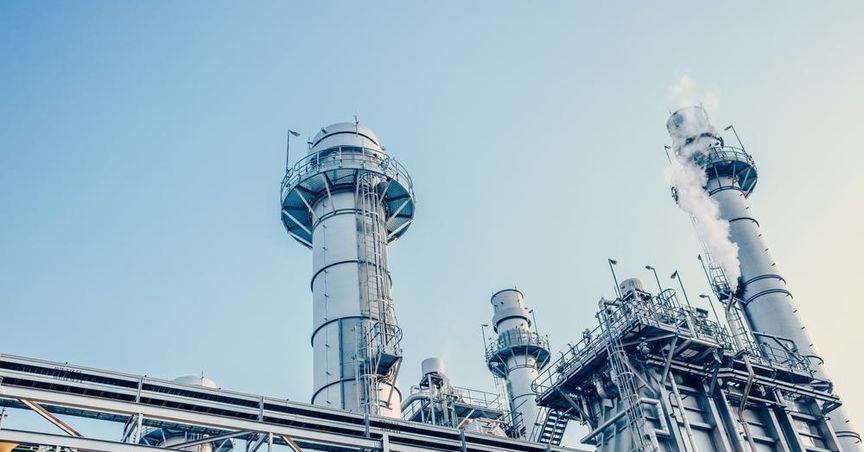
Frontera Energy operates within the upstream energy sector through exploration, production, transportation, and infrastructure activity connected to Latin American oil and gas regions. Operations involve both offshore and onshore assets supporting crude extraction and regional energy supply systems.
Recent company developments highlighted continued pressure surrounding operational earnings despite ongoing revenue generation across production assets. Market attention increasingly focused on how efficiently upstream operations convert production activity into stable operating performance within changing commodity environments.
The energy sector frequently experiences operational volatility linked to maintenance schedules, transportation conditions, regional infrastructure requirements, and extraction complexity. Companies operating across multiple production regions often face varying cost structures tied to drilling activity, field operations, and transportation logistics.
Frontera Energy (TSX:FEC) remained part of this broader sector environment through continued production activity alongside operational challenges affecting earnings performance and margin stability.
Operational Costs and Sector Conditions
The upstream oil and gas sector remains heavily dependent on infrastructure coordination and production management. Extraction companies frequently manage transportation systems, field maintenance, drilling schedules, and export logistics simultaneously across operational regions.
Operational costs across the sector can shift according to equipment usage, transportation access, environmental standards, and production efficiency. Energy producers operating in geographically diverse regions additionally navigate differing regulatory conditions and infrastructure requirements tied to extraction and export activity.
Recent market discussion surrounding Frontera Energy reflected ongoing attention toward cost management and operational sustainability within upstream production systems. Earnings variability remained a major point of focus because stable production activity does not always translate into consistent operating performance.
At the same time, the broader oil and gas sector continues supporting transportation, industrial manufacturing, and regional energy supply across international markets. Conventional energy production therefore remains closely connected to global industrial activity and infrastructure demand despite evolving energy transition discussions.
The company also maintained visibility within broader Canadian equity discussion because smaller exploration and production firms often attract market attention during periods marked by operational volatility and changing commodity conditions.
Production Infrastructure and Regional Operations
Latin American energy operations remain connected to offshore production systems, pipeline infrastructure, refining capacity, and export transportation networks. Upstream companies operating within the region frequently coordinate extraction activity alongside regional logistics and infrastructure management.
Production continuity across oil and gas assets often depends on stable transportation access and operational coordination involving drilling programs, field maintenance, and export scheduling. Energy companies additionally manage operational planning according to infrastructure availability and regional market demand.
Frontera Energy continued operating within this environment through production activity tied to exploration and extraction assets across multiple regions. The company’s operational structure remained linked to broader energy infrastructure systems supporting transportation and refining activity throughout Latin America.
Sector conditions also continue evolving through environmental standards, emissions management discussions, and infrastructure modernization efforts. Oil and gas companies increasingly adapt operational practices while maintaining conventional production activity across established energy regions.
Within Canadian markets, smaller upstream firms operating internationally remain closely followed because production activity and operational performance frequently respond to regional infrastructure conditions and commodity market developments. Discussion involving TSX Smallcap Index consequently reflected ongoing focus surrounding energy sector efficiency and operational management.
Energy Markets and Margin Performance
Energy market conditions continue shaping operational outcomes across the upstream sector. Commodity pricing environments, refining demand, transportation systems, and extraction costs all influence broader production economics across oil and gas operations.
Operational efficiency remains especially important for companies managing geographically diverse production portfolios. Infrastructure maintenance, drilling coordination, and transportation access can significantly affect operating conditions within upstream energy systems.
The oil and gas sector additionally continues adapting to changing industrial demand patterns connected to transportation activity and manufacturing consumption. Conventional crude production nevertheless remains central across several industrial sectors and regional supply systems worldwide.
Frontera Energy (TSX:FEC) continued attracting market attention because operational earnings pressure contrasted with relatively stable production and revenue activity. This combination reinforced broader discussion surrounding margin performance and cost management across upstream energy operations.
Sector observers also continued monitoring how smaller production companies navigate infrastructure demands and operational variability within evolving international energy markets. These conditions remain closely connected to ongoing developments involving regional production systems and global commodity movement.
