
 AUS
AUS
 NZ
NZ
 UK
UK
 CA
CA
 USA
USA
 IND
IND





Highlights
- Thistle Resources entered public trading on the Toronto venture exchange during expanded exploration activity in New Brunswick.
- Brunswick antimony property contains antimony, silver, and gold mineralization within the historic Bathurst mining district.
- Survey activity, trench work, and regional exploration programs remain active across eastern Canadian properties.
Thistle Resources continues exploration activity within eastern Canada, focusing on antimony, silver, and gold mineralization through trench programs, airborne surveys, and regional geological work.
Thistle Resources operates within the mineral exploration sector, with project activity centered on antimony and precious metals across eastern Canada. Exploration programs currently focus on properties located in New Brunswick and Nova Scotia, where geological work targets mineralized zones associated with historic mining districts. Public trading recently commenced on the Toronto venture exchange, placing additional attention on exploration progress connected with antimony and silver mineralization.
Exploration Activity Across the Bathurst District
Thistle Resources (TSX:TRCG) recently commenced public trading while advancing exploration work at the Brunswick antimony property within the Bathurst mining district of New Brunswick. Regional geology within the district contains extensive volcanic and sedimentary formations historically associated with base metals and precious metals mineralization.
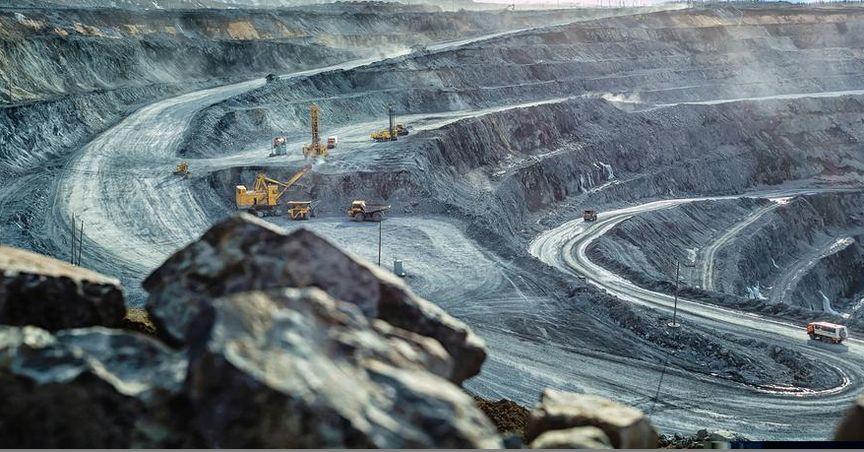
Certified trench sampling from the Brunswick property identified notable antimony grades alongside elevated silver and gold mineralization. Surface mineralization occurs near historic mining infrastructure, creating accessible exploration conditions across several target areas. Geological mapping and trenching continue across contact zones where mineralization appears connected with regional structural features.
The Brunswick property sits near a historic underground zinc mining complex recognized throughout Canadian mining history. Extensive regional extraction activity across past decades established the Bathurst district as a major mineral producing region within Atlantic Canada. Existing transportation routes and established mining familiarity contribute to ongoing exploration activity across surrounding properties.
Antimony Demand Within Critical Mineral Development
Antimony has gained broader industrial attention following international supply disruptions connected with export restrictions introduced during recent years. Industrial applications for antimony extend across military equipment, battery manufacturing, semiconductors, and advanced energy storage systems. Canadian critical mineral initiatives also identified antimony as a strategically significant resource for domestic supply chain development.
Sector attention toward antimony exploration increased as manufacturers and industrial groups searched for additional supply sources outside traditional producing regions. Exploration companies across North America responded through expanded geological programs targeting known antimony occurrences and historic mineralized districts.
Thistle Resources continues emphasizing the combined presence of antimony, silver, and gold mineralization across the Brunswick property. Geological characteristics associated with the property distinguish regional mineralization from several conventional antimony occurrences that primarily contain limited precious metal content. Silver mineralization remains particularly notable within trench sampling completed during recent field programs.
Survey Programs and Regional Geological Work
Exploration permits currently support trenching activity and airborne magnetic surveying along a broad granite contact corridor extending through the Brunswick property area. Planned geophysical programs aim to identify structural patterns and magnetic anomalies associated with mineralized zones beneath surface exposures.
Airborne survey activity provides geological teams with additional regional information related to subsurface formations and fault structures. Magnetic interpretation often assists mineral exploration groups during target generation across large land packages where surface exposure remains limited.
Field crews continue integrating trench sampling, geological mapping, and geophysical interpretation into broader exploration planning across New Brunswick properties. Regional contact zones surrounding historic mining areas remain central exploration targets because similar geological environments historically produced substantial mineral concentrations throughout the Bathurst district.
Environmental permitting and survey preparation advanced during recent months ahead of expanded seasonal field activity. Exploration schedules currently include additional sampling, structural interpretation, and anomaly review across priority targets identified through earlier geological programs.
Property Portfolio Across Eastern Canada
Beyond the Brunswick antimony property, Thistle Resources (TSX:TRCG) controls several exploration properties distributed across eastern Canada. Property holdings include multiple projects within the Bathurst mining district together with an additional project located in Nova Scotia.
The Middle River gold property forms another important component within the broader exploration portfolio. Gold focused exploration within Atlantic Canada continues attracting sector attention because regional geology contains numerous historic occurrences and underexplored mineralized trends. Exploration groups operating throughout the region frequently target volcanic belts, sedimentary formations, and structural corridors associated with historic mineral systems.
Regional exploration strategies increasingly combine critical mineral targeting with precious metals exploration. Geological overlap between antimony systems and precious metals mineralization creates additional exploration interest across districts containing complex hydrothermal activity. Bathurst district geology presents several examples where multiple mineral types occur within related structural environments.
Canadian exploration activity across Atlantic provinces remains supported through established mining traditions, experienced geological workforces, and extensive historical geological records. Historic mining districts often provide valuable baseline geological information that assists modern exploration planning and target selection.
Public Market Presence and Sector Position
Public trading status provides broader visibility for mineral exploration groups operating within specialized critical mineral segments. Market attention surrounding antimony exploration expanded alongside international discussion connected with industrial supply diversification and strategic mineral development.
Exploration companies focused on early stage mineral development commonly prioritize geological interpretation, field sampling, and regional surveying before advancing toward more detailed resource delineation programs. Surface trenching and airborne surveys remain common methods during preliminary exploration phases across Canadian mineral districts.
Current exploration emphasis across the Brunswick property reflects broader sector interest surrounding critical minerals connected with industrial manufacturing and energy related applications. Combined antimony and precious metals mineralization also distinguishes the property within the Atlantic Canadian exploration landscape.
