
 AUS
AUS
 NZ
NZ
 UK
UK
 CA
CA
 USA
USA
 IND
IND






Highlights:
- Crypto ATMs are now widespread in Canada, with over 3,100 machines.
- Cryptocurrency ATMs have become a favored tool for fraud and money laundering.
- Increased regulation aims to curb illegal activity, but concerns persist.
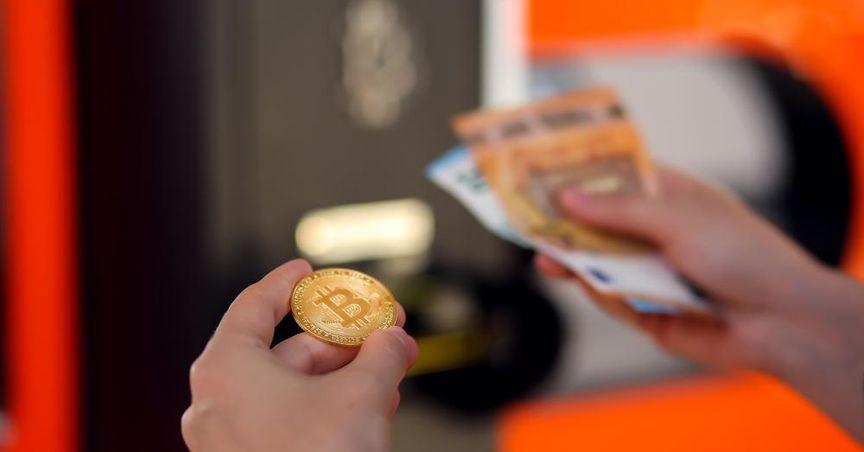
Cryptocurrency ATMs have become an integral part of Canada's landscape, starting from the first machine in Vancouver in 2013. Since then, these machines have popped up in various locations, including coffee shops, corner stores, and even bars, making cryptocurrency more accessible to the public. As of today, more than 3,100 machines operate across the country, symbolizing the mainstream adoption of digital currencies.
The Appeal and Challenges of Cryptocurrency ATMs
For many cryptocurrency enthusiasts, these ATMs represent convenience and accessibility, allowing users to convert cash into cryptocurrency quickly. Companies like Localcoin and Bitcoiniacs offer these services, with the latter operating approximately 50 machines. The machines primarily attract individuals looking to purchase cryptocurrency or send remittances to families abroad, especially in regions with volatile currencies.
However, the rise of these machines has also raised significant concerns. Law enforcement agencies, including the Toronto Police, report daily instances of fraud tied to crypto ATMs. Detective David Coffey from the Toronto Police Service argues that cryptocurrency ATMs should be banned due to their potential use in laundering money. According to Coffey, the ease of use and lack of stringent controls make them an ideal tool for criminals.
Government Action and Regulatory Measures
In response to growing concerns, Canada's anti-money laundering watchdog, Fintrac, issued a warning about cryptocurrency ATMs, highlighting their role in money laundering activities. The watchdog cited instances where funds were sent to exchanges in countries like Iran, Russia, and Belarus, making it difficult to trace and recover the money. While cryptocurrency transactions are traceable, they often disappear before authorities can intervene.
In 2020, Canada implemented federal regulations for cryptocurrency ATMs under anti-money laundering laws, requiring operators to report suspicious and large transactions. This move aimed to deter large-scale money laundering and fraud. While these regulations have made the machines less appealing for illicit activities, some experts argue that loopholes remain, with certain ATMs only requiring a phone number for transactions under a set amount.
Growing Concerns and Calls for Stricter Regulations
Despite the regulatory improvements, some industry observers, such as Joseph Iuso of the Canadian Money Services Business Association, believe more can be done to prevent criminal activity. Iuso points out that some operators still fail to properly monitor transactions or prevent small, fragmented transfers designed to evade reporting requirements.
While most ATM operators adhere to regulations, concerns about the machines being used for illicit purposes continue to grow. Some countries, like the United Kingdom and Australia, have already begun cracking down on cryptocurrency ATMs due to their association with criminal activity, suggesting that Canada might follow suit.
