
 AUS
AUS
 NZ
NZ
 UK
UK
 CA
CA
 USA
USA
 IND
IND



_07_03_2026_03_50_21_133108.jpg)

Highlights
- Tree Island Steel operates in the Canadian steel wire and fabricated wire products sector, supplying multiple construction and industrial end uses.
- Trading recently moved above a short-term moving average, a commonly watched technical reference point for market activity.
- The company manufactures a wide product range, including nails, stucco reinforcement, fencing, and concrete reinforcing mesh under several established brands.
Tree Island Steel Ltd. continues to operate as a diversified supplier of essential steel wire and fabricated wire products across multiple end markets, with trading activity now reflecting a move above a widely followed short-term technical reference point.
Tree Island Steel Ltd. (TSX:TSL) operates within Canada’s steel and metals and mining sector, specializing in steel wire and value-added fabricated wire products that support construction activity, industrial distribution networks, and agricultural applications. In this sector, market activity is often observed using widely followed technical tools such as moving averages. These indicators track average trading levels over a defined period, offering a clearer view of how recent trading compares with longer-term market behavior.
Recent trading in Tree Island Steel Ltd. moved above a widely followed short-term moving average, drawing attention from market participants who monitor momentum, liquidity, and trend direction. Moving averages do not explain business performance on their own, but they can provide context around how the market is reacting to company developments, sector conditions, and broader macro drivers.
What Does This Signal?
A move above a short-term moving average is frequently viewed as a sign that recent trading has strengthened relative to the stock’s own recent baseline. This happens when the latest trades collectively sit above the average level from the selected period, indicating that near-term sentiment has improved compared with the earlier stretch captured by that average.
In practice, moving averages are descriptive measures rather than definitive indicators. They reflect what has already occurred in the market rather than establishing what must happen next. For Tree Island Steel, this type of move is often observed alongside changes in trading volume, shifts in sector rotation, or a response to company updates that influence how participants position around the name.
How Do Moving Averages Work?
A moving average is a rolling calculation that updates each trading day, smoothing daily fluctuations into a single trend line. Shorter moving averages react more quickly to daily movements, while longer ones adjust more slowly and help show the broader direction across a longer timeframe. Market participants often compare the two to understand whether momentum is building or fading.
When a stock rises above its shorter moving average, it can indicate that recent activity has outpaced its recent history. When the short average is also above the long average, it may be interpreted as a stronger trend alignment. Conversely, repeated crossings back and forth can reflect a market that is still deciding on direction, particularly in smaller or thinner-traded names.
What Shapes Daily Trading?
Daily trading in smaller-capitalization metals and mining companies can be shaped by forces that extend well beyond company-specific headlines. Liquidity conditions, overall market sentiment, and industry-wide developments often influence how a stock trades on any given day. When trading activity is thin, price swings can appear sharper, and chart-based signals may look more significant than they would in a more actively traded name. In the metals and mining space, broader drivers such as commodity demand trends, supply chain updates, and shifts in global industrial activity can also affect short-term market behaviour.
Tree Island Steel’s trading characteristics can also reflect the nature of its end markets. Demand expectations for construction activity, infrastructure work, and industrial supply needs can all influence how market participants react. Even without major news, shifts in commodity sentiment, manufacturing indicators, and North American construction commentary can affect how industrial names are traded.
What Is The Company’s Business?
Tree Island Steel Ltd. (TSX:TSL) operates in the steel business, focused on manufacturing and selling steel wire and related products. The company produces a range of items used in both structural and finishing applications, serving customers across industrial, commercial, agricultural, construction, and residential construction channels.
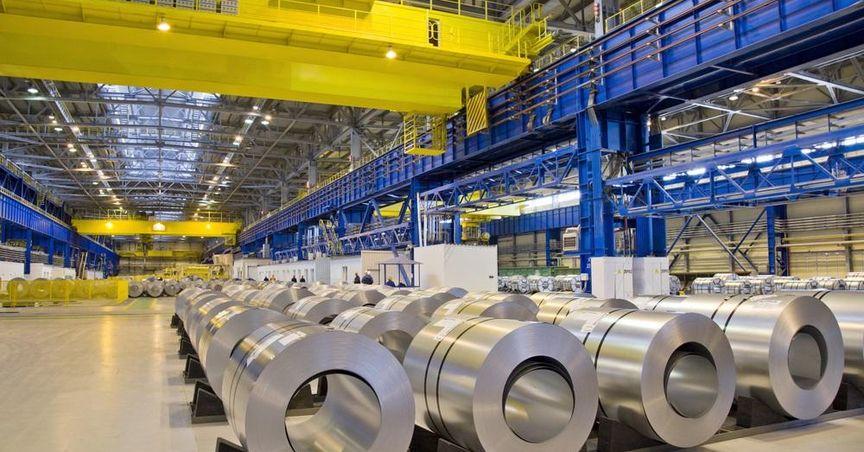
Its portfolio includes bulk nails, stucco reinforcing products, concrete reinforcing mesh, fencing, and other fabricated wire products. Many of these products are essential “jobsite staples” rather than discretionary items, meaning demand is often linked to overall activity levels in building and industrial maintenance rather than short-term consumer trends.
Which Products Drive Demand?
The company’s mix spans several categories that align with different parts of the building cycle. For example, reinforcing mesh is tied to concrete work and site preparation, while stucco-related items link to finishing phases. Fencing products may see demand from agricultural uses, infrastructure projects, and residential development.
These product families also connect to different competitive dynamics. Some segments are more standardized, where scale and distribution matter, while others depend on manufacturing precision, specifications, or branding. For readers seeking background on core materials involved, see: steel wire and welded wire mesh.
How Are Segments Structured?
Tree Island Steel groups its business into industrial, commercial, agricultural, construction, and residential construction categories. This segmentation reflects how customers purchase and use the company’s products, and it helps describe where demand is sourced across the economy.
The industrial segment is described as a key contributor to revenue. Industrial demand often includes manufacturing, supply distributors, and industrial maintenance needs. Commercial and construction categories can be influenced by project timing and contractor activity, while agricultural demand can vary with rural infrastructure and seasonal purchasing cycles.
What Brands Support Market Reach?
Tree Island Steel (TSX:TSL) sells products under brands that include Tree Island, Halsteel, K-Lath, True Spec, Toughstrand, and Stucco-Rite. Branding in this category can matter because it signals consistent specifications, recognized product formats, and familiarity within contractor and distributor channels.
Brands can also help support relationships with wholesalers and building supply networks, where product consistency is important. In wire-based products, performance characteristics—such as durability, coating, and fabrication quality—can influence whether customers standardize on a supplier for repeat purchasing.
What Did Earnings Show?
The company most recently reported a quarterly earnings result that included a per-share loss and revenue recorded during the quarter. It also reported negative net margin and negative return on equity for the same period, indicating that profitability metrics were under pressure during that reporting window.
Industrial manufacturers connected to the metals and mining supply chain are shaped by shifting input costs, changing pricing conditions across distribution channels, and fluctuations in demand from construction and industrial end markets, while earnings updates often reveal how effectively operations are being managed through production planning, inventory positioning, and product-mix decisions that influence the balance between shipment volume and margin performance.
How Does Balance Sheet Look?
Tree Island Steel has reported a balance sheet profile that includes measurable leverage alongside strong short-term liquidity ratios. Liquidity ratios describe the company’s ability to meet near-term obligations using near-term assets, and stronger liquidity can provide operational flexibility in working-capital-intensive manufacturing businesses.
Leverage measures indicate how much of the capital structure is supported by debt relative to equity. In industrial manufacturing, leverage levels can influence resilience through construction slowdowns or commodity volatility, while liquidity can support procurement, production scheduling, and the timing of receivables and payables through the distribution cycle.
What Impacts Steel Wire Sector?
The fabricated wire and steel wire segment sits within a broader metals and mining construction supply ecosystem. Demand is tied to construction cycles, infrastructure activity, renovation trends, and industrial maintenance. When construction activity strengthens, downstream demand for nails, mesh, reinforcing products, and fencing materials typically increases across distribution networks.
Costs can also be influenced by steel input pricing, logistics conditions, and competitive pressures from other wire product manufacturers. Sector participants often compete on reliability of supply, product specifications, and service levels. For more context on sector fundamentals, see: steel industry and construction.
How Do Market Metrics Help?
Market metrics often referenced in company descriptions include market capitalization, valuation ratios, and beta. These terms help describe how the market collectively values the company, how that valuation compares with reported earnings, and how volatile the stock has historically been relative to broader market movement.
For Tree Island Steel Ltd. (TSX:TSL), these metrics are part of the general snapshot often included in market commentary. However, they should be read as descriptive statistics rather than performance guarantees. In smaller companies, these metrics can also be sensitive to liquidity conditions and short-term trading swings.
