
 AUS
AUS
 NZ
NZ
 UK
UK
 CA
CA
 USA
USA
 IND
IND






Highlights
- NioCorp collaborates with Lockheed Martin on advanced scandium-based aerospace materials.
- Program backed by the US Department of War aims to develop prototype aluminum-scandium components.
- Domestic production of scandium and other critical metals targeted to support defense technology.
NioCorp collaborates with Lockheed Martin to develop aluminum-scandium alloys, targeting domestic production of critical metals for aerospace and defense applications.
The aerospace and defense materials sector is witnessing a notable development as NioCorp Developments Ltd. (TSX:NB) enters into an agreement with Lockheed Martin’s Skunk Works division. The collaboration focuses on the advancement of scandium-based technologies that are expected to enhance the capabilities of modern fighter aircraft. This initiative aligns with broader strategic efforts highlighted in the TSX Index for domestic materials production and technological innovation.
Partnership with Lockheed Martin
The agreement establishes a framework for cooperation between NioCorp and Lockheed Martin to produce prototype components using aluminum-scandium alloys. Lockheed Martin’s Skunk Works division, recognized for pioneering advanced aerospace projects, will apply its development programs to evaluate and optimize scandium-based materials. These alloys are recognized for their strength-to-weight properties, which can contribute to more efficient and resilient aerospace structures.
Government Support and Funding
This collaboration receives backing from the US Department of War under Title III of the Defense Production Act. The funding is designated to support the creation of a domestic supply chain extending from scandium extraction to master-alloy production. Establishing such a supply chain represents a strategic effort to reduce reliance on international sources of critical materials, with a particular focus on scandium for defense applications.
NioCorp’s Resource Development
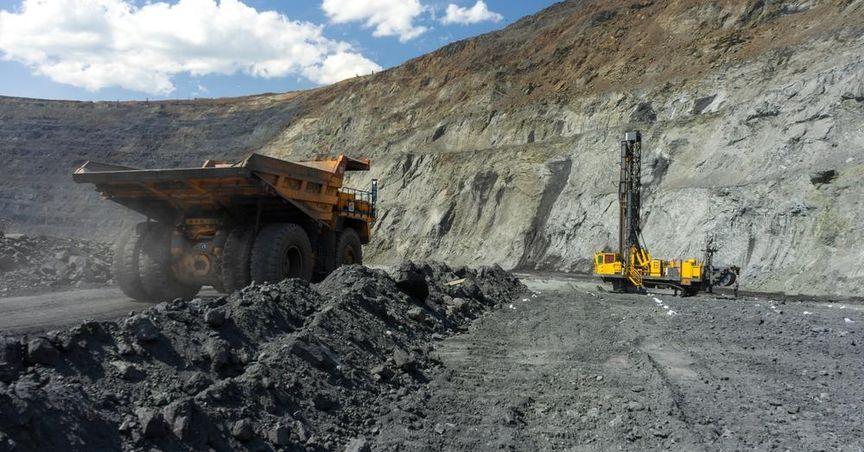
NioCorp is actively developing a polymetallic deposit in Nebraska, targeting the extraction and processing of scandium, niobium, titanium, and light and heavy magnetic rare earth oxides. The project aims to deliver near-term production of these metals, which are increasingly integral to aerospace, defense, and advanced technology sectors. The integration of these resources into domestic manufacturing is considered a step toward enhancing national technological capabilities.
Scandium’s Role in Defense Technology
Aluminum-scandium alloys are recognized for their high-performance characteristics, including increased strength, improved corrosion resistance, and reduced weight. Such properties are especially relevant in aerospace applications where material efficiency directly affects operational performance. The prototypes developed under this program may contribute to the evolution of next-generation defense technologies.
Strategic Implications for Domestic Supply
Creating a domestic mine-to-alloy production chain for scandium and associated metals could significantly impact the availability of critical materials within the United States. By reducing dependency on foreign suppliers, the program supports the development of an internal ecosystem for advanced metals manufacturing. This initiative complements wider efforts to secure strategic materials for defense and aerospace industries.
Industry Perspective
The collaboration represents a convergence of advanced materials research, industrial manufacturing, and government support. NioCorp’s polymetallic project is positioned to contribute essential metals for high-tech applications, while Lockheed Martin’s experience in prototyping and development ensures practical implementation of aluminum-scandium alloys in aerospace contexts. The integration of these capabilities may influence how advanced alloys are deployed in modern aircraft systems.
Market Observations
Following the announcement, NioCorp’s market activity reflected interest in the company’s defense and aerospace initiatives. The TSX-listed shares of NioCorp saw movement consistent with news-driven developments within the materials sector. This reflects investor attention toward strategic collaborations that align with broader national objectives for resource independence and technological advancement.
Broader Implications for Materials Sector
The NioCorp-Lockheed Martin collaboration highlights the increasing importance of scandium and other critical metals in defense technologies. With global competition for advanced materials intensifying, domestic programs aimed at producing specialized alloys may shape industry trends. The focus on prototyping and practical application demonstrates the growing integration of research and manufacturing within the materials sector.
Technological Innovations
Beyond aerospace, aluminum-scandium alloys have potential implications in commercial and industrial applications where strength-to-weight ratio and durability are critical. The development of a domestic supply chain enhances accessibility for future projects that may rely on these materials. Research and testing conducted through this collaboration may provide valuable insights into alloy behavior, production efficiencies, and material performance under operational conditions.
Environmental and Operational Considerations
NioCorp’s polymetallic mining project also encompasses considerations for sustainable extraction and processing methods. Responsible development practices aim to mitigate environmental impact while ensuring consistent material quality. The domestic production strategy may also facilitate regulatory compliance and streamlined logistics for the supply of critical metals.
Collaboration Outlook
The partnership between NioCorp and Lockheed Martin reflects a targeted approach to integrating raw material production with aerospace technology development. By leveraging government support and expertise in advanced prototyping, the collaboration seeks to establish a reliable pathway from mineral resources to functional components. The program underscores the strategic value of aligning industrial capabilities with defense priorities.
