
 AUS
AUS
 NZ
NZ
 UK
UK
 CA
CA
 USA
USA
 IND
IND

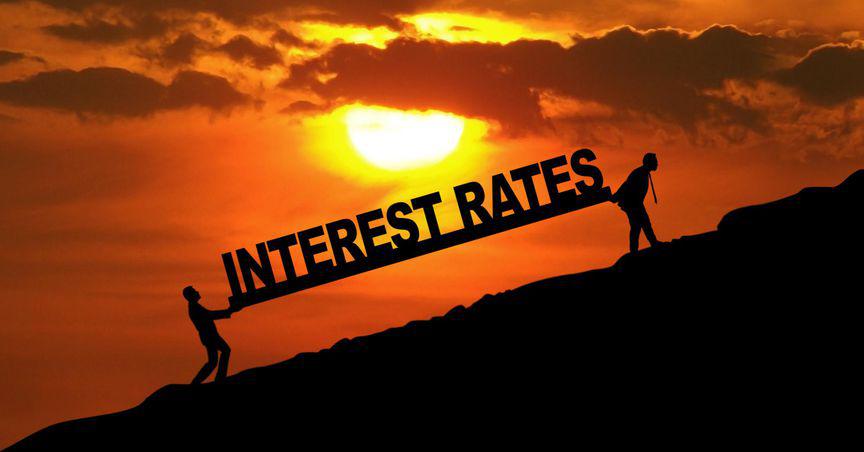





Highlights
- Higher interest rates result from inflation level being higher than the expected inflation target.
- If the interest rates rise, it leads to increased borrowing costs.
- Rising interest rates limit disposable income and impact the willingness to spend.
Interest rates are not fixed and can go high or low depending on the existing economic conditions. Usually, with rising interest rates, the concerns among people rise.
The higher interest rates result from the inflation level being higher than the expected inflation target. The impact of high-interest rates is real on consumers and businesses and happens at a mass level.
If the interest rates rise, it leads to increased borrowing costs and reduced disposable income. Further, this limits consumer spending at an overall level. Let us look at some of the effects of rising interest rates.
The increased cost of borrowing
Interest rates are directly proportional to the cost of loans. A higher interest rate requires paying more interest on the same loan amount. This discourages many borrowers from spending and borrowing who might have availed of this facility if the interest rate had been lower comparatively.
As a consequence, this leads to lower investments. In such situations, the borrowers with variable interest rates suffer the most. People with loans will have less disposable income as they spend more on interest payments.
Reduced housing prices
Unless you have stacks of money, you depend on a loan for your new home. With higher interest rates, all kinds of loans become expensive, and mortgage rates are no exception.
When interest rates rise, people avoid availing of mortgages as paying them off can take a lifetime. This leads to a drop in the demand for real estate. Eventually, the sellers are compelled to lower their asking price to attract more buyers.
Unemployment
Rising interest rates limit disposable income and impact the willingness to spend. Due to the reduced spending, companies plan to scale down and retain limited workers.
This often results in mass layoffs and pay cuts. The whole scenario leads to an increased rate of unemployment in the economy.
Better returns on savings
High-interest rates have a contrasting impact. For borrowers, it becomes difficult to avail of a loan, but for lenders, this is the best time to make money on their lending.
The Dollar Strengthens
Higher interest rates save investments in treasuries, making dollar-denominated assets preferable. As a result, the dollar gains against other currencies. The overall scenario may have huge implications for trade.
Impacts consumers and firms
With side effects of higher interest rates, such as a less competitive market, low disposable income, and reduced exports, firms and consumers are drastically affected.
Consumers spend less money, thereby reducing the demand. Further, it pressurizes the firms to lower their prices. Ultimately, this leads to low income and profit.
Bottom Line
In the ideal world, the interest rates remain unchanged and favourable. However, they often fluctuate and the ideal interest rate lies between highs and lows and varies from individual to individual.
It is always beneficial to keep on exploring options for interest rate management. This may cost you something, but sitting idle may cost you more.
