
 AUS
AUS
 NZ
NZ
 UK
UK
 CA
CA
 USA
USA
 IND
IND


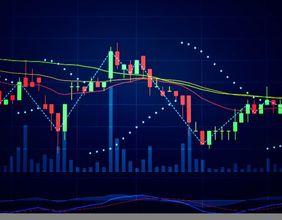




Highlights
- Technical analysis is being viewed through a support resistance reset as market conditions become increasingly selective.
- S&P/ASX ETF (ASX:STW), iShares Core S&P/ASX ETF (ASX:IOZ) and Vanguard Australian Shares Index ETF (ASX:VAS) are helping frame the broader market discussion.
- EOFY positioning, sector leadership and participation trends are becoming more important than headline momentum.
A support resistance reset is drawing attention across the Australian market as investors focus on participation, breadth and confirmation. S&P/ASX ETF (ASX:STW), iShares Core S&P/ASX ETF (ASX:IOZ) and Vanguard Australian Shares Index ETF (ASX:VAS) are helping frame the discussion as market signals become increasingly selective.
The latest market backdrop is placing renewed attention on Technical Analysis as investors attempt to distinguish between genuine momentum and short-term market noise. While headlines continue to focus on commodities, geopolitical developments and policy expectations, traders are increasingly watching support zones, resistance areas and trading participation for clues about the market's next move.
Against this backdrop, S&P/ASX ETF (ASX:STW), iShares Core S&P/ASX ETF (ASX:IOZ) and Vanguard Australian Shares Index ETF (ASX:VAS) are providing a useful lens through which to assess broader market behaviour. Rather than focusing on individual stock stories, these exchange traded funds offer insight into how capital is moving across sectors and whether participation is broadening or narrowing.
Support Resistance Reset: Reading the ASX 200 Tape
The support resistance reset theme has returned because investors are demanding stronger confirmation before accepting a market move as sustainable. A positive trading period alone is no longer enough to create conviction. Participation, breadth and follow-through have become increasingly important.
Market observers are paying closer attention to what lies beneath the headline move. The focus is shifting towards whether gains are supported by a broad group of sectors or concentrated in only a handful of names. This distinction can help separate durable trends from temporary rotations.
Support levels represent areas where buyers have previously emerged, while resistance zones often reflect areas where enthusiasm begins to fade. When these levels are approached, trading activity can provide valuable information about market conviction and sentiment.
In the current environment, confirmation matters. Strong participation across sectors may reinforce confidence, while narrow leadership can raise questions about the durability of any advance.
Breadth, Support and Resistance in a Choppy Market
Market breadth remains one of the most important indicators in a selective environment. When multiple sectors contribute to a move, confidence often improves. When only a small group of areas are leading, investors may become more cautious.
Recent market activity has highlighted differences across resources, healthcare, financials and technology. While some sectors continue attracting interest, others remain dependent on company-specific developments and earnings visibility.
This divergence makes support and resistance analysis particularly relevant. Investors are no longer reacting solely to macro headlines. Instead, they are evaluating whether sector participation aligns with broader market strength.
For S&P/ASX ETF (ASX:STW), iShares Core S&P/ASX ETF (ASX:IOZ) and Vanguard Australian Shares Index ETF (ASX:VAS), breadth becomes a useful indicator because these products reflect a wider cross-section of the Australian market. Their behaviour can therefore provide insight into whether participation is expanding or becoming increasingly concentrated.
Sector Rotation Continues to Shape the Market
Sector rotation remains another important element influencing the technical picture. Commodity-sensitive areas continue responding to resource and energy developments, while technology remains influenced by earnings quality and operational execution.
Healthcare has attracted renewed attention, while defensive sectors continue receiving support whenever uncertainty increases. These shifts can influence how support and resistance levels behave, particularly when leadership changes rapidly.
Rather than viewing market moves through a single lens, investors are increasingly assessing whether leadership transitions are creating a healthier foundation for future gains. The answer often lies in participation rather than price action alone.
This is one reason why broad-market ETFs remain relevant. They can highlight whether capital is moving across multiple sectors or simply rotating between a small group of perceived opportunities.
Why Volume Confirmation Matters
Volume remains a key component of technical analysis because it can reveal the strength behind a move. A breakout supported by strong participation often carries greater credibility than one achieved on lighter trading activity.
In a cautious environment, volume confirmation becomes particularly important. Investors want evidence that buyers are willing to commit capital rather than merely react to short-term developments.
While volume does not guarantee future direction, it can help identify whether market conviction is strengthening or weakening. When volume aligns with improving breadth and constructive sector participation, confidence in the trend may improve.
For broad-market ETFs, volume can also highlight whether institutional flows are supporting the move. This information becomes increasingly useful during periods of portfolio repositioning and financial year-end activity.
What Traders May Watch Next
The next phase of market activity is likely to be judged through a combination of support levels, resistance zones, breadth and participation.
Investors may continue monitoring whether leadership broadens beyond a handful of sectors and whether trading activity remains constructive during periods of volatility. Equally important will be whether market moves maintain momentum after the initial reaction to macro developments fades.
The current setup suggests that confirmation remains the dominant theme. Rather than focusing exclusively on headlines, market participants are increasingly looking for evidence that supports a stronger underlying trend.
That approach may help separate temporary enthusiasm from more durable market behaviour.
The support resistance reset theme is gaining relevance because the market is becoming increasingly selective. Investors are looking beyond headline movements and focusing on participation, breadth and confirmation.
S&P/ASX ETF (ASX:STW), iShares Core S&P/ASX ETF (ASX:IOZ) and Vanguard Australian Shares Index ETF (ASX:VAS) provide a useful framework for assessing broader market behaviour as EOFY flows, sector rotation and macro developments continue influencing sentiment.
In this environment, the most valuable signal may not be the direction of the market itself, but whether enough evidence exists to support the move.
