
 AUS
AUS
 NZ
NZ
 UK
UK
 CA
CA
 USA
USA
 IND
IND






Highlights
• True North Copper secures recognition linked to Mt Oxide waste stream opportunities.
• Mt Oxide project activity underscores focus on resource optimisation.
• Mining sector participation reflected within ASX 300 and All Ordinaries benchmarks.
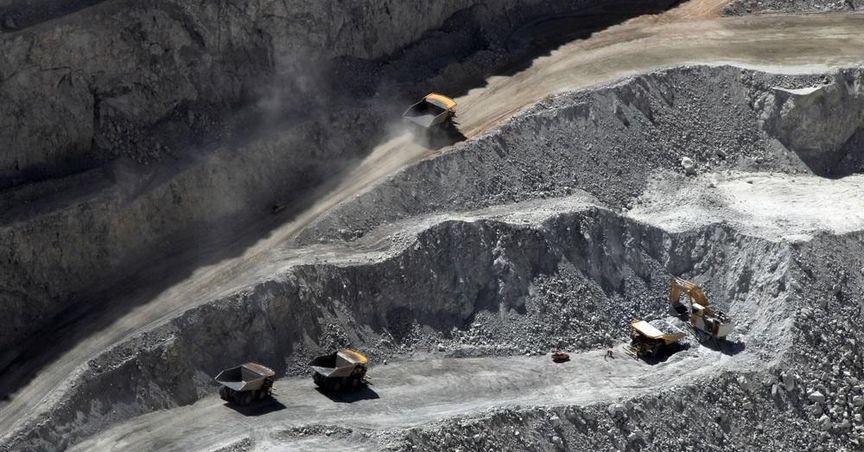
True North Copper advances Mt Oxide waste stream initiatives, reinforcing resource optimisation within the ASX 300 and All Ordinaries mining sector.
Australia’s mining and resource development sector remains a cornerstone of the domestic equity landscape, with exploration and production companies represented across benchmarks such as the ASX 300 and the All Ordinaries. These indices encompass established producers as well as emerging operators working to optimise project portfolios. Resource companies operating within these frameworks contribute to regional employment, export revenue and infrastructure investment.
True North Copper Limited (ASX:TNC) operates within the copper and base metals segment, focusing on assets in Queensland including the Mt Oxide project. The company has been awarded recognition connected to evaluation of Mt Oxide waste stream material, highlighting initiatives aimed at maximising resource utilisation. The development aligns with broader industry practices centred on operational efficiency and asset optimisation.
Mining enterprises frequently assess legacy materials and waste stockpiles to determine whether additional processing opportunities exist. Such initiatives form part of modern resource management approaches designed to enhance extraction efficiency while maintaining environmental compliance.
Participation within the asx all ords benchmark situates True North Copper among a wide range of companies spanning financial services, industrials and technology, underscoring the integrated role of mining within the broader Australian economy.
Mt Oxide Project and Resource Optimisation
The Mt Oxide project forms a central component of True North Copper’s operational portfolio. Located in Queensland’s mineral-rich corridor, the project includes historical mining infrastructure and existing material stockpiles. Waste stream assessment initiatives aim to evaluate material previously classified as non-economic under earlier operational conditions.
Modern mining techniques and metallurgical processes enable re-examination of historical waste material. Advances in processing technology may allow extraction of residual copper and associated minerals from stockpiles generated during earlier mining phases.
Evaluation of waste streams requires comprehensive geological sampling, metallurgical testing and environmental assessment. Mining companies must ensure compliance with regulatory standards governing material handling and site rehabilitation.
Inclusion within the ASX 300 reflects the company’s position within Australia’s listed mining segment. Resource optimisation initiatives such as those at Mt Oxide align with sector-wide emphasis on efficient asset utilisation.
Mining operators often integrate sustainability objectives into project planning. Waste material reassessment can contribute to reduced environmental footprint by extracting additional value from existing stockpiles rather than expanding new extraction zones.
Waste Stream Management and Environmental Considerations
Waste stream management has become a focal point within the global mining industry. Historical operations frequently generated tailings and waste rock stockpiles that may contain residual mineralisation. Contemporary approaches involve systematic reassessment of these materials using updated metallurgical techniques.
True North Copper’s award recognition in connection with Mt Oxide underscores attention to innovative resource management practices. Effective waste stream evaluation requires collaboration between geologists, metallurgists and environmental specialists.
Environmental oversight remains integral to such initiatives. Mining companies must adhere to strict guidelines regarding waste handling, water management and rehabilitation activities. Regulatory frameworks ensure that reprocessing activities meet established environmental standards.
Companies within the mining sector coexist alongside entities categorised among ASX dividend stocks, though capital allocation priorities often differ. Resource firms typically direct capital toward exploration, processing infrastructure and environmental management.
Participation within the All Ordinaries index highlights the broad representation of mining enterprises within Australia’s equity market. Waste stream optimisation initiatives contribute to sector evolution and operational efficiency.
Sector Context and Commodity Exposure
Copper remains a strategically important commodity due to its widespread use in electrical systems, infrastructure and renewable energy technologies. Mining companies engaged in copper production operate within global supply chains influenced by industrial demand and infrastructure investment trends.
True North Copper’s focus on Mt Oxide aligns with Australia’s established role as a resource exporter. Queensland hosts numerous mineral projects, supported by transport infrastructure and skilled workforce availability.
Within the ASX 300 framework, mining companies represent a significant portion of index weighting. Their operational updates often draw attention due to commodity price fluctuations and project milestones.
Resource development requires coordinated efforts spanning exploration, permitting, processing and logistics. Waste stream reassessment initiatives complement broader project advancement strategies.
The asx all ords index captures mining enterprises alongside diversified industrial and financial firms, reflecting the integrated nature of Australia’s economic base.
Governance, Operational Strategy and Market Framework
Corporate governance structures guide project execution and environmental compliance within mining companies. Board oversight and regulatory adherence ensure that initiatives such as waste stream evaluation are conducted within established guidelines.
True North Copper’s recognition associated with Mt Oxide demonstrates engagement with operational enhancement and resource efficiency. Such initiatives align with broader industry objectives centred on sustainable extraction and responsible development.
Mining companies within the ASX 300 operate under continuous disclosure obligations requiring timely communication of material developments. Transparent reporting supports informed market participation.
Capital allocation decisions in the resource sector typically prioritise exploration drilling, infrastructure maintenance and environmental stewardship. Waste stream reassessment can represent a cost-effective method of extracting additional mineral value from existing assets.
Participation within the All Ordinaries reinforces the company’s integration within Australia’s diversified equity landscape. Resource development initiatives contribute to economic activity through employment, procurement and export generation.
Copper-focused enterprises continue to adapt to evolving processing technologies and sustainability expectations. Waste stream initiatives illustrate how legacy materials can be incorporated into modern operational strategies, supporting efficient utilisation of existing assets within the Australian mining sector.
