
 AUS
AUS
 NZ
NZ
 UK
UK
 CA
CA
 USA
USA
 IND
IND

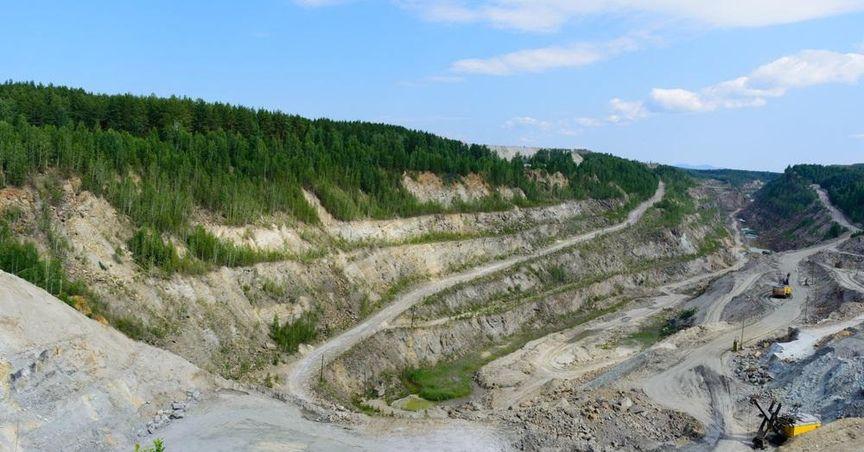





Highlights
- Fenix outlines a structured plan for future project consolidation
- Production focus gradually shifts toward the Beebyn Hub
- Long-range strategy supports stability within the wider ASX resource space
Fenix Resources lays out a multi-year roadmap designed to streamline mining activities, expand the Beebyn Hub, and reinforce long-term stability across its Mid-West projects.
Fenix Resources (ASX:FEX) has unveiled a structured multi-year roadmap aimed at consolidating activities across its major iron ore projects in Western Australia. The plan maps out a steady progression toward elevated output through the Beebyn Hub, while the Iron Ridge and Shine sites gradually approach the later stages of their mine life. The company’s updated framework highlights operational continuity across its existing reserves and resources, anchoring its presence within the broader landscape of ASX mining stocks and the evolving Australian resources sector.
A Strategy Built on Continuity and Gradual Transition
The newly presented outlook centres on a smooth shift in operational emphasis over the coming seasons. As Iron Ridge and Shine move closer to the end of their active cycles, the Beebyn Hub becomes increasingly pivotal. With earlier frameworks producing steady tonnages from Iron Ridge and Shine, the transition aims to retain logistical stability while progressively expanding the Beebyn area to serve as the company’s core base.
The multi-year plan outlines a consistent approach, relying entirely on existing reserves along with Measured and Indicated resources to sustain operations. The strategy reflects a disciplined commitment to resource utilisation without drawing on Inferred material. This measured structure helps maintain confidence around long-term planning while also aligning production with established processing capability.
Within the wider ASX stock market, such methodical planning is often seen as a marker of operational maturity. Resource-driven companies operating across the Mid-West generally rely on clear sequencing to manage output, logistics, and infrastructure capacity, and the Fenix plan follows this principle closely.
Iron Ridge and Shine Near Their Final Phases
The Iron Ridge mine, a long-standing contributor within the Fenix portfolio, is set to wind down as its reserves reach maturity. Operations there are expected to conclude naturally, with remaining stockpiles forming part of the ongoing production feed in the subsequent period. Shine follows a similar profile, with its first stage nearing completion and final ore movements planned for the next cycle.
These two projects have played a foundational role in establishing Fenix’s broader position in the region. Their existing road networks, crushing setups, and supply chain links have been integral to supporting overall consistency, and the company plans to capitalise on these elements even as the active mining phases close. Stockpiles from both sites will continue to buffer production schedules until Beebyn fully steps into its expanded role.
The Beebyn Hub: Emerging as the Central Growth Engine
As the operational spotlight shifts, Beebyn takes centre stage. This hub is designed to scale gradually and eventually anchor the company’s substantial ore processing footprint. A structured ramp-up is anticipated, beginning with increases in material movement and extending toward higher crushing capability as the development unfolds.
The Beebyn-W regions form the core of this next chapter. Approvals for new sections, including Beebyn-W plans, are anticipated to supplement the existing mine areas. Once fully established, the Beebyn Hub is expected to represent the largest contributor within the company’s Mid-West network.
This location benefits from favourable geological characteristics, similar to those at Iron Ridge, which helps maintain cost consistency. Its proximity to existing logistics channels, including dedicated haulage and port storage arrangements at Geraldton, also supports operational efficiency without the need for large-scale reworks.
Infrastructure Designed to Support a Steady Flow
A key strength in the Fenix outlook is its reliance on established infrastructure. Crushing plants across the different mine areas remain fully capable of supporting upcoming output plans. Road haulage through Newhaul Road Logistics continues to form the backbone of transport activity, enabling a reliable flow of product from mine to port.
Geraldton Port, with significant storage allocations already in place, serves as a stable export gateway. The company plans to maintain utilisation of this port while exploring future logistics improvements, including long-distance private road options and potential transhipment enhancements. These avenues could reduce handling complexity, improve timing predictability, and reinforce margins in the long term.
Across the Australian resource sector, such logistical optimisations hold particular importance. Companies listed within the ASX100, ASX200, and ASX300 often integrate similar long-range strategies to remain resilient amid fluctuating demand cycles and infrastructure constraints. Fenix’s focus on tightening its supply chain therefore aligns with prevalent best practices.
Funding Framework and Capital Approach
The outlined production path is supported by a clear capital framework spanning mining activities, roadwork upgrades, port-related logistics, and infrastructure maintenance. The company intends to source funding from existing reserves, internal operating inflows, and current facilities. This approach promotes operational predictability and reduces reliance on external shifts.
Capital projections exclude mobile fleet purchases, which are generally financed through separate facility arrangements. The structured allocation of funds reflects the company’s intent to maintain a disciplined approach as it transitions between mining centres.
Cost outlooks for subsequent years have not been formalised; however, expectations suggest stability due to the comparable geological profiles between Iron Ridge and Beebyn. With similar ore types and haulage conditions, the company anticipates a relatively balanced operating environment during the transition.
A Long-Term Vision Anchored in Secure Resource Access
A pivotal step in the company’s broader strategic development was the acquisition of a long-term right-to-mine agreement for the Weld Range. This agreement grants multi-decade access to a large resource base with consistent iron grading. Such extensive access provides strategic security and allows Fenix to plan well beyond the immediate three-year window.
A Scoping Study is currently underway to assess the next major growth stage, with a feasibility program scheduled to follow. These technical evaluations will determine the scope of future hubs, including the proposed Madoonga processing centre. Madoonga may act as a second major operating node, offering flexibility and additional pathways for scaled growth.
The company is evaluating opportunities to streamline costs across this next chapter. Among the strategies under consideration are new long-range haulage solutions and alternate export routes. These initiatives aim to reduce transport times, increase reliability, and broaden future output potential.
How the Plan Aligns With Australia’s Wider Resource Landscape
The Australian iron ore sector has shown enduring resilience, supported by stable global demand, infrastructure depth, and the presence of diversified mining companies across major indexes including the ASX100 and ASX200. Fenix’s structured expansion, though more targeted in scale compared to the larger iron ore producers, follows similar principles that anchor long-term viability.
Within the context of ASX mining stocks, the company’s focus on consolidating production, optimising logistics, and gradually expanding processing capability aligns with broader market expectations for operational discipline. Its multi-year framework contributes to the steady flow of resource-focused activity on the ASX stock market, particularly as demand for iron ore maintains relevance across global markets.
Broader Opportunities Ahead
While the current plan spans a defined multi-year timeline, opportunities beyond this framework remain open. The assessment of Madoonga as an additional hub, combined with new haulage initiatives and port innovations, may reshape the company’s long-range profile. Integration of new infrastructure could deliver efficiencies that support future scalability.
Scheduled ore allocation across the next few seasons comprises a balanced mix of Reserves and Measured and Indicated Resources. This structure provides a high-confidence foundation without drawing from Inferred categories, reinforcing reliability in planning and output.
By aligning resource availability with established processing capacity, the company positions itself to navigate market trends while contributing to the wider resource ecosystem, including areas of interest for investors exploring ASX dividend stocks.
