
 AUS
AUS
 NZ
NZ
 UK
UK
 CA
CA
 USA
USA
 IND
IND






Highlights
Canyon strengthens rail and port infrastructure access in Cameroon
Minim Martap development activities continue ahead of first shipments
Integrated logistics strategy supports long-term project operations
Canyon Resources is advancing the Minim Martap Bauxite Project through strategic investments in Cameroon’s rail and port infrastructure, while construction and logistics preparations continue ahead of initial production and export activities.
Canyon Resources Builds Momentum at Minim Martap
Australian mining company Canyon Resources (ASX:CAY) continues to accelerate development activities at its flagship Minim Martap Bauxite Project in Cameroon, positioning the operation closer to production and export readiness. The latest project update highlights strategic infrastructure investments, logistics upgrades, and operational milestones that could shape the company’s long-term position within the global bauxite market.
The development comes as resource-focused investors across the ASX 200 continue monitoring mining and infrastructure-linked projects that are advancing toward commercial operations. Canyon’s latest moves reflect a broader industry focus on supply chain integration and operational efficiency.
The company’s ongoing strategy centers on building a fully connected mine-to-port logistics network that can support consistent export activity once shipments commence. Through investments in rail transportation and port infrastructure, Canyon is seeking stronger operational alignment across the entire export chain.
Strategic Rail Investment Strengthens Logistics Position
One of the major developments announced by the company involves a larger ownership interest in Cameroon’s rail transport network operator. The expanded investment is expected to provide Canyon with stronger participation in rail infrastructure linked to the transportation of bauxite from the mine to export facilities.
Rail infrastructure remains one of the most critical components for bulk commodity projects, particularly in regions where export operations depend heavily on coordinated transport systems. By securing a larger position within the rail operator, Canyon is aiming to improve visibility over logistics planning and transportation scheduling as production activities ramp up.
The investment also aligns with broader industry trends where mining companies seek closer integration with logistics infrastructure to reduce operational bottlenecks and strengthen supply chain reliability. For large-scale bulk materials such as bauxite, uninterrupted transport networks are essential for maintaining export continuity.
Industry observers have increasingly noted that integrated infrastructure strategies can help resource projects navigate transportation challenges while improving long-term operational coordination. Canyon’s latest move appears designed to support that objective as the company advances toward its first shipment timeline.
Port Infrastructure Investment Expands Export Readiness
Alongside its rail investment, Canyon has also completed a strategic investment linked to operations at the Port of Douala. The port facility represents a key gateway for future exports associated with the Minim Martap Project.
The investment provides greater involvement in port operations connected to storage, handling, and shipping activities for bauxite exports. This step further supports the company’s integrated logistics approach, creating closer coordination between mining operations, transportation systems, and export infrastructure.
Port access is often a decisive factor in the success of bulk commodity projects, particularly for operations targeting international markets. By strengthening its involvement at the Port of Douala, Canyon is seeking to support smoother export processes and improve operational planning ahead of initial shipments.
The company’s existing access arrangements at the port already provide export and import capabilities linked to mining activities. The latest investment enhances that relationship and may support future infrastructure optimization as operational requirements evolve.
Mining infrastructure developments remain closely watched across segments of the ASX 100, particularly where projects involve large-scale export logistics and long-term production planning.
Integrated Logistics Network Takes Shape
Canyon’s broader strategy reflects a growing focus on end-to-end logistics integration within the global mining sector. Rather than relying solely on third-party infrastructure arrangements, mining companies are increasingly pursuing direct participation in transport and export systems.
The integrated model adopted for Minim Martap combines mining operations, inland transportation facilities, rail connectivity, and port infrastructure into a coordinated export framework. Such an approach can help streamline operational execution and improve scheduling efficiency once production begins.
The company indicated that preparation work continues across multiple infrastructure sites associated with the project. Construction and operational readiness activities are progressing at inland logistics facilities as well as port infrastructure areas linked to future export operations.
Tracklaying preparation and earthworks activities are among the developments currently underway. These works are intended to support the handling and transportation of bauxite ahead of the project’s planned export schedule.
The broader logistics buildout also demonstrates the scale of planning required for large mining operations entering production phases. Coordinating mine activity with rail systems and port infrastructure often represents one of the most complex stages of project development.
Trial Mining and Production Activities Progress
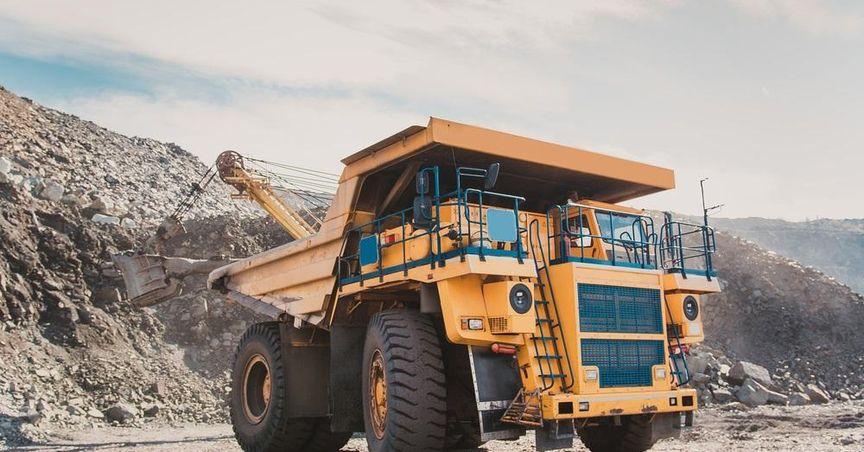
Operational activity at Minim Martap has also advanced through the mobilisation of mining equipment to the project site. Trial mining activities are expected to support the build-up of stockpiles ahead of export operations.
The commencement of mining activity marks an important stage in transitioning the project from development toward production readiness. Stockpiling activities at the mine site, inland facilities, and port areas are expected to form part of the early export preparation process.
The company is also progressing haul road upgrades that connect mining areas with transport infrastructure. Reliable road access remains essential during the early stages of logistics coordination before rail systems become fully operational.
Infrastructure preparation at the inland rail facility and the Port of Douala continues to support future transportation operations. Rail equipment deliveries are also anticipated as part of the broader logistics rollout tied to initial shipments.
The mining sector has increasingly focused on supply chain resilience in recent years, especially for projects tied to international export markets. Infrastructure readiness often plays a significant role in determining how efficiently projects transition into commercial operations.
Global Bauxite Demand Keeps Market Attention on New Projects
Bauxite remains a strategically important mineral due to its role in aluminium production, which supports industries ranging from construction and transport to renewable energy and manufacturing.
As demand for aluminium-linked products continues across international markets, resource companies developing high-grade bauxite assets are attracting market attention. Projects with integrated infrastructure and export readiness may hold stronger positioning within competitive supply environments.
The Minim Martap Project is considered one of Canyon’s core long-term developments, with the company continuing to emphasize ore quality and logistics capabilities as central pillars of its operational strategy.
The project’s location in Cameroon also highlights Africa’s growing role in the global bauxite sector. Several African nations continue to attract mining investment due to large-scale mineral resources and export opportunities tied to industrial commodities.
Across the ASX 300, investors continue tracking mining companies that are advancing projects from feasibility stages toward operational execution, particularly where infrastructure development forms a central part of the growth strategy.
Focus on Operational Coordination and Long-Term Infrastructure
The company’s recent activities suggest a strong emphasis on operational coordination across all stages of the project lifecycle. Investments in rail and port infrastructure are intended to support greater alignment between mining output and export logistics.
Integrated logistics planning can help mining operations improve scheduling flexibility while reducing dependency on external bottlenecks. Such strategies are becoming increasingly relevant for projects targeting large-scale commodity exports.
Canyon’s ongoing work at Minim Martap reflects broader trends within the global mining sector, where infrastructure partnerships and logistics participation are playing a more significant role in project development strategies.
The advancement of rail infrastructure, inland facilities, and export operations also demonstrates the scale of preparation required before large mining assets enter full commercial production. These developments are expected to remain a key area of focus as the project continues progressing toward its next operational milestones.
In parallel with logistics development, the company continues to evaluate future downstream opportunities connected to alumina processing. Studies linked to value-added processing infrastructure remain part of the broader long-term development pathway associated with the project.
Mining Sector Continues Watching Cameroon Developments
Cameroon’s resource sector has gained increasing visibility as international mining companies continue exploring opportunities linked to large mineral deposits and export infrastructure development.
Projects such as Minim Martap are contributing to broader discussions around infrastructure investment, regional logistics networks, and commodity export growth across Central Africa. Mining-related infrastructure expansion can also influence transport capacity and industrial activity within surrounding regions.
For Canyon, the ongoing project rollout represents a defining stage as the company advances toward initial exports and production activity. Market attention is likely to remain focused on construction progress, logistics readiness, and operational milestones over the coming periods.
Investors following mining developments and infrastructure-led resource projects may continue monitoring how the company executes its integrated mine-to-port strategy as activities progress further.
The growing focus on operational connectivity within mining supply chains reflects a wider industry shift toward infrastructure-supported resource development models. Canyon’s recent investments appear closely aligned with that direction as the Minim Martap Project advances toward production readiness.
Within Australia’s mining market, interest in resource-linked infrastructure projects also remains active among followers of ASX dividend stocks, particularly where companies are progressing large-scale export-focused developments.
