
 AUS
AUS
 NZ
NZ
 UK
UK
 CA
CA
 USA
USA
 IND
IND




Highlights
Copper demand strength is reshaping sentiment across Australian mining equities.
BHP (ASX:BHP) continues to reflect the importance of diversified copper exposure within global resources.
Supply constraints and electrification trends are tightening the long-term copper narrative.
Copper has become a key driver across ASX mining stocks, supported by electrification demand and tight supply conditions, with BHP highlighting diversified exposure benefits.
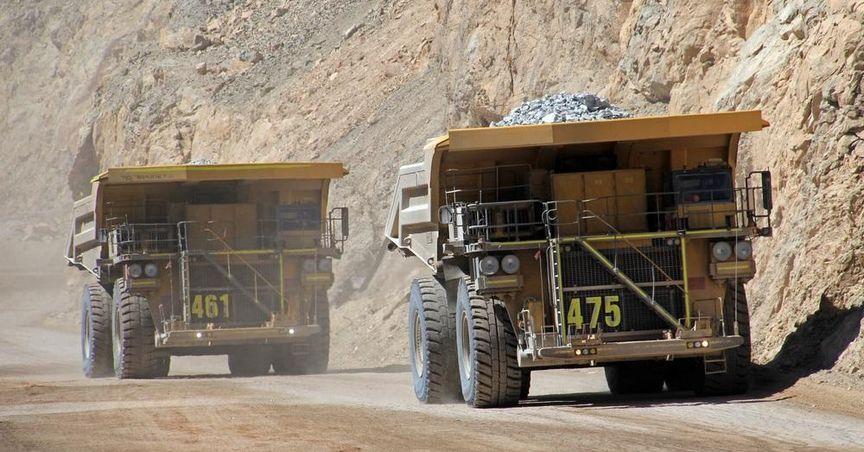
Copper has stepped firmly into the spotlight of global commodities, reshaping how Australian resource companies are viewed across the Australian stock market. From electrification infrastructure to large-scale energy systems, the red metal has become central to industrial transformation. Within this environment, major producers such as BHP (ASX:BHP) are increasingly linked to copper-driven earnings momentum, reflecting the broader shift occurring across the ASX 200 materials space.
As global demand patterns evolve, copper’s role has moved well beyond traditional industrial usage. It now sits at the core of energy transition infrastructure, influencing how mining companies position their portfolios and long-term resource strategies.
Copper Moves to Centre Stage in Global Commodities
Copper has emerged as one of the most closely watched commodities across global markets. Its importance spans renewable energy systems, electric mobility, power transmission networks and next-generation digital infrastructure.
This broad usage profile has lifted copper into a structural demand category rather than a cyclical one. The shift is visible across ASX Metal & Mining Stocks, where companies with copper exposure are increasingly seen through the lens of long-term industrial transformation rather than short-term commodity fluctuations.
At the same time, supply dynamics remain tight. New copper discoveries are becoming more complex, development timelines are extending, and operational costs continue to rise. This combination has contributed to a tightening market environment, where demand growth interacts with constrained supply pipelines.
Electrification Driving Structural Demand
Copper’s importance is deeply tied to electrification. Every stage of the modern energy transition relies on copper-intensive infrastructure.
From renewable energy grids to electric transport systems and digital data expansion, copper is embedded across critical supply chains. This structural demand is reshaping expectations across global mining markets, particularly for producers operating within established jurisdictions such as Australia.
The ongoing build-out of electrical networks has strengthened the role of copper as a foundational industrial material. As economies continue modernising energy systems, copper demand is increasingly linked to long-term infrastructure cycles rather than short-term economic fluctuations.
BHP and the Copper-Weighted Portfolio Shift
BHP (ASX:BHP), one of Australia’s most recognised diversified miners, continues to illustrate the importance of copper exposure within large-scale resource portfolios.
While traditionally associated with iron ore, the company’s growing copper footprint has become a defining feature of its commodity mix. This balance between legacy commodities and energy-transition materials has positioned copper as a key contributor within its broader operational structure.
The increasing weight of copper in diversified mining portfolios reflects a broader industry transition. As global demand patterns evolve, companies with established copper assets are gaining renewed attention for their ability to balance cyclical commodities with structural growth materials.
Within this context, copper is no longer viewed as a secondary commodity. Instead, it has become central to portfolio resilience across major mining operations.
Supply Constraints Tighten the Market Narrative
One of the defining features of the current copper environment is supply constraint. The discovery and development of new copper resources has become increasingly challenging due to geological complexity and longer project timelines.
Permitting processes, infrastructure requirements and capital intensity have all contributed to slower supply growth. This has created a structural imbalance where demand growth can have a magnified effect on market conditions.
As a result, established producers with existing operations are playing a more significant role in stabilising supply expectations. This dynamic is particularly relevant for ASX Mining Stocks that already hold producing assets or advanced development projects.
The scarcity of new large-scale copper developments continues to reinforce the importance of operational efficiency and resource longevity.
Copper’s Expanding Role in Technology and Infrastructure
Beyond traditional mining applications, copper is increasingly embedded in technology-driven infrastructure systems. Data centres, telecommunications networks and renewable power systems all rely heavily on copper-intensive components.
This expanding usage profile has elevated copper’s strategic importance across industrial economies. It is no longer confined to construction or manufacturing cycles but is now central to digital and energy transformation trends.
Within Australia’s resource landscape, this shift is influencing how companies assess long-term development opportunities. Copper is increasingly viewed as a key material supporting structural growth in modern economies.
Broader Market Impact Across Resource Equities
The rise of copper has implications that extend across the broader mining sector. Companies with exposure to multiple commodities are seeing copper act as a stabilising influence within diversified revenue streams.
For major miners, copper provides a counterbalance to fluctuations in other commodity markets. This balancing effect has become more visible as global demand conditions continue to diverge across different resource categories.
Mid-tier and emerging producers within the ASX Mining Stocks segment are also responding to this shift. Projects with copper exposure are increasingly being assessed through the lens of long-term demand alignment rather than short-term pricing cycles.
Structural Themes Shaping Copper Demand
Several long-term themes continue to underpin copper’s rising importance:
-
Expansion of renewable energy infrastructure
-
Growth in electric mobility systems
-
Increased global electrification of industrial processes
-
Rising demand from digital and data infrastructure
-
Upgrading of ageing power grids
Each of these themes contributes to sustained copper consumption across global economies. Unlike more cyclical commodities, copper demand is closely tied to infrastructure development timelines that span decades rather than years. This structural demand profile has helped copper maintain its position as a core industrial metal within global resource strategies.
Positioning Within the Australian Resource Landscape
Australia remains a key participant in global copper production and exploration activity. The country’s established mining expertise and geological diversity support ongoing development across multiple resource categories.
Copper-focused projects form an important part of this landscape, particularly as global supply chains seek stable and long-term sources of critical materials. Within this framework, copper continues to influence investment decisions, exploration activity and production planning across the sector.
The integration of copper into diversified mining portfolios has also strengthened its role within broader resource strategies. It now sits alongside iron ore, nickel and other key materials in shaping Australia’s mining identity.
Long-Term Outlook for Copper-Linked Miners
Copper’s growing importance is reshaping expectations across the global mining industry. While short-term fluctuations remain part of commodity cycles, the underlying demand structure for copper continues to evolve in line with industrial transformation.
Mining companies with exposure to copper are increasingly aligned with infrastructure-driven demand cycles. This alignment is influencing how portfolios are structured and how long-term development pipelines are prioritised. As electrification continues to expand across global economies, copper remains positioned as a central material in the resource transition narrative.
