
 AUS
AUS
 NZ
NZ
 UK
UK
 CA
CA
 USA
USA
 IND
IND



_06_19_2026_12_34_15_139937.jpg)

Highlights
Iron ore dynamics remain central to earnings visibility
Copper and potash broaden long-term exposure
Global demand themes shape ASX mining stocks
An in-depth look at BHP Group Ltd and its evolving commodity strategy, covering iron ore trends, diversification into copper and potash, and broader implications for ASX mining stocks and major indices.
BHP Group Ltd stock has drawn renewed attention as commodity markets, global trade discussions, and long-term resource strategies intersect at a crucial point for the diversified miner. Within the broader ASX stock market, the company continues to reflect both traditional iron ore exposure and a growing focus on future-facing resources that align with global industrial and infrastructure needs.
BHP Group Ltd (ASX:BHP) sits at the centre of conversations around supply discipline, demand resilience, and portfolio balance, making it a closely followed name among ASX mining stocks and index-linked portfolios.
Iron Ore and China: A Relationship That Shapes Sentiment
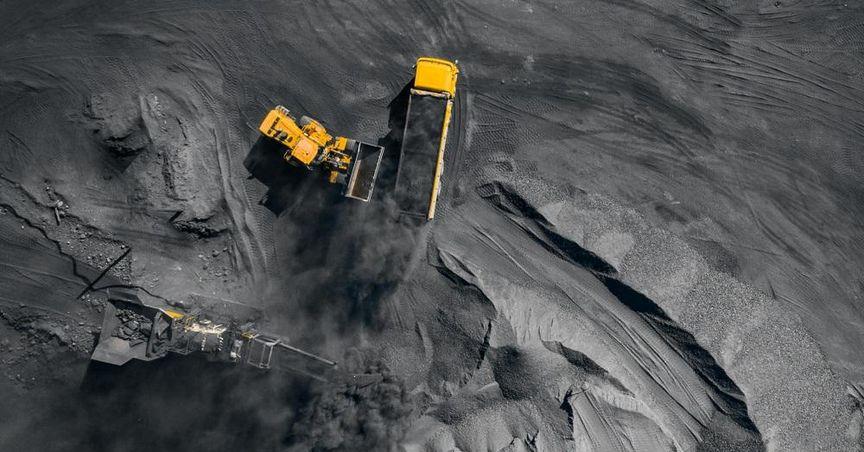
Iron ore remains a cornerstone of BHP’s operations, and developments linked to Chinese demand often influence market sentiment toward the stock. China’s evolving approach to commodity procurement has added a new layer of complexity, with centralised buying discussions shaping how global miners engage with steelmakers.
For BHP, this environment underscores the importance of maintaining operational flexibility while navigating changes in contract structures and delivery mechanisms. Even as steel output trends face pressure, iron ore movements suggest that restocking behaviour and supply management continue to support seaborne trade flows.
This dynamic reinforces why iron ore remains a focal point for investors assessing large-cap miners across the ASX100 and ASX200 universes.
Sector Momentum Lifts Diversified Miners
Broader market conditions have also played a role in keeping diversified miners in focus. Strength across commodities has supported sentiment toward heavyweight resource names, particularly those with scale, geographic diversity, and established infrastructure.
BHP’s position as a liquid, widely held stock means it often reflects sector-wide movements rather than isolated company events. This characteristic places it firmly among the bellwether stocks that investors watch when gauging the health of the mining segment within the ASX300.
Beyond Iron Ore: Copper Takes Centre Stage
While iron ore remains significant, copper has emerged as a strategic priority within BHP’s longer-term outlook. Demand linked to electrification, data infrastructure, and industrial transformation has elevated copper’s profile across global markets.
BHP’s copper exposure positions it alongside other diversified miners seeking to align portfolios with structural demand themes rather than purely cyclical drivers. This shift reflects a broader industry trend where balance sheets and capital allocation increasingly favour commodities tied to long-duration consumption patterns.
In this context, copper strengthens BHP’s relevance beyond traditional construction cycles, adding depth to its role within global supply chains.
Potash and Portfolio Balance
Another important element of BHP’s evolving strategy is its expansion into potash. This commodity links the company to agricultural demand and food security themes, offering exposure that differs markedly from metals and bulk commodities.
Potash development supports portfolio resilience by diversifying end markets and reducing reliance on any single demand centre. For investors, this approach highlights how large miners aim to balance near-term cash generation with assets designed to serve long-term global needs.
Operational Innovation and Efficiency
Operational efficiency continues to play a critical role in how the market views BHP. Trials involving alternative technologies and lower-emission solutions reflect a broader push toward cost discipline and sustainability.
Collaborations with peers such as Rio Tinto (ASX:RIO) and equipment providers like Caterpillar (NYSE:CAT) point to an industry-wide effort to modernise mining operations. These initiatives are closely watched, as they can influence both cost structures and the long-term viability of large-scale assets.
Legal and Regulatory Considerations
Like many global resource companies, BHP operates within a complex legal and regulatory environment. Legacy issues and ongoing proceedings can introduce uncertainty, particularly when outcomes affect cash flows or capital allocation priorities.
Market participants typically assess these factors through the lens of scale and manageability, weighing potential impacts against the company’s diversified earnings base and financial strength.
Income and Market Positioning
BHP is often discussed alongside ASX dividend stocks due to its history of shareholder returns supported by commodity-linked cash generation. While income considerations form part of the investment narrative, they are closely tied to operational performance and commodity conditions.
This combination of income characteristics and exposure to future-facing commodities contributes to BHP’s standing as a core holding within many diversified portfolios.
What This Means for the Broader ASX Landscape
BHP’s trajectory offers insights into how large miners adapt to shifting global priorities. The balance between iron ore, copper, and potash reflects a deliberate effort to remain relevant across multiple economic cycles.
For the wider ASX mining stocks segment, this approach highlights the importance of diversification, capital discipline, and alignment with long-term demand drivers.
BHP Group Ltd continues to represent a layered investment story shaped by iron ore fundamentals, strategic diversification, and evolving global demand patterns. Its ability to navigate China-related developments while advancing copper and potash initiatives positions the company as a key reference point within the Australian resources sector.
As commodity markets evolve, BHP’s integrated portfolio and scale ensure it remains central to discussions around the future direction of major miners on the Australian share market.
