
 AUS
AUS
 NZ
NZ
 UK
UK
 CA
CA
 USA
USA
 IND
IND




_06_19_2026_12_34_15_139937.jpg)

Highlights
- TCL remains central in key transport corridors
- Infrastructure activity supports long-term revenue flows
- Industrials segment stays aligned with wider economic cycles
A Deep Look at Transurban and the Shifting Dynamics of TCL Shares
The Transurban Group (ASX:TCL) continues to feature prominently across Australia’s infrastructure landscape, with many market watchers observing how the company manages major toll road assets across several regions. As discussions around TCL shares evolve, interest often revolves around how the business balances long-term projects with ongoing transport requirements. Transurban’s presence frequently draws attention because infrastructure companies tend to align closely with economic activity, transport intensities, and shifting demand across major corridors.
In the context of the broader infrastructure and industrials space, companies like Transurban often appear alongside other major transport and logistics names on the ASX stock market. With the company positioned within long-term assets, its role in supporting commuter traffic, freight mobility, and urban connectivity often attracts close analysis.
This article explores why TCL shares remain a subject of ongoing interest, how the wider industrials sector behaves, and how long-term infrastructure assets interact with economic, demographic, and transport-driven trends. Along the way, it also touches on related segments such as ASX mining stocks and dividend-focused companies within the ASX dividend stocks category.
Understanding Transurban’s Expanding Infrastructure Footprint
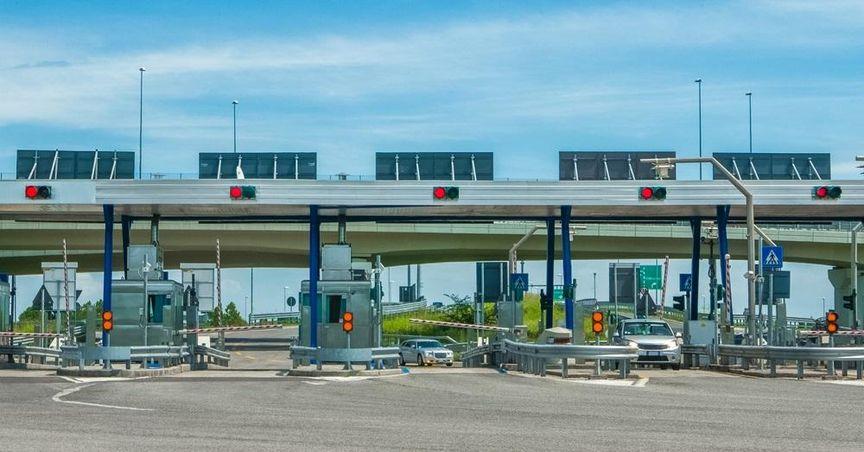
Transurban manages an extensive collection of toll roads, with its network spanning cities within Australia, North America and other regions. These toll roads form part of key metropolitan transport systems, connecting major business districts, outer suburbs, industrial hubs and residential zones. The company’s operational model revolves around designing, managing, and investing in long-term assets that continue to be used daily by commuters and freight operators.
Some of the well-known roads within the portfolio include major metropolitan corridors in Melbourne, Sydney and Brisbane. These projects were developed over multiple years and now play crucial roles in easing congestion, shortening travel times and supporting daily transport requirements. The usage of these roads is driven primarily by routine commuter behaviour and commercial transport, making them integral to broader economic activity.
Transurban’s strategy involves continuously upgrading existing assets and exploring new project opportunities, ensuring that its network remains aligned with shifting traffic volumes and urban expansion. Toll revenue forms the foundation of its operational framework, which is why travel demand, road usage patterns, and long-term urban growth remain essential topics for market observers.
Why Industrials Like Transurban Continue to Draw Market Interest
Industrial companies listed on the ASX stock market encompass transportation specialists, service firms, logistics providers and infrastructure owners. The sector often appears on indexes such as the ASX100 and ASX300, reflecting their importance to Australia’s economic foundation.
Stable Revenue Streams as a Core Attraction
A recurring theme within industrial companies is the consistency of revenue. This steadiness may originate from long-term contracts, essential-service operations or multi-year infrastructure projects. For example, Downer EDI (ASX:DOW) is widely recognised for securing long-running operational agreements, while companies like Qantas Airways (ASX:QAN) and Brambles (ASX:BXB) rely on high-frequency services that remain in demand throughout varying market conditions.
For Transurban Group (ASX:TCL), toll road utilisation forms a critical part of this reliability. Roads supported by commuter journeys, commercial transport routes, and freight activity produce highly consistent traffic flows. This places TCL within a category where revenue predictability holds notable importance for long-term planning and operational execution.
Regular Dividends Add Another Layer of Attraction
Because of stable revenue, many industrial companies are recognised for distributing dividends across extended periods. These businesses frequently appear among prominent ASX dividend stocks. Transurban is often referenced within this conversation due to its long-running history of providing regular shareholder income.
Toll road operations, once established, generally require ongoing maintenance and upgrades rather than full redevelopment. This characteristic supports a framework where cash flows can be directed toward both project reinvestments and investor distributions.
Industrial Companies Reflect Broader Economic Activity
Infrastructure operators play a critical role in measuring economic momentum. When populations grow, cities expand, and governments channel resources into public works, companies in this sector can experience rising utilisation levels and increased avenues for development.
For Transurban, population expansion directly correlates with higher road activity. Commercial transport, residential development and suburban growth influence how often vehicles use the network. Large transport corridors become even more essential as cities expand outward and mobility patterns change. The industrials sector as a whole often mirrors these macroeconomic changes more visibly than many other market segments.
How TCL Shares Interact With Market Perception
Market conversations around TCL shares frequently touch on dividend consistency, long-term project pipelines, and broader toll road usage trends. One commonly referenced measure is the relationship between share prices and dividend distribution levels through time. This comparison helps observers understand how the company is positioned relative to its historical performance.
While dividend yields may fluctuate due to share price movements or payout adjustments, many market participants look at multi-year data to understand whether a stock appears above or below its typical range. For TCL, long-term patterns are often viewed in relation to road usage demand and economic conditions.
Recent years have seen steady upticks in toll road activity across major cities, partly influenced by increased commercial transport, renewed urban foot traffic, and ongoing suburban development. These themes contribute to continued attention on TCL’s revenue outlook and operational strategy.
How Broader Trends Influence Transurban’s Long-Term Positioning
Urban Expansion and Changing Mobility
As cities expand, the complexity of transport networks grows. The rise of outer-suburb housing, expanded business districts and increased reliance on freight logistics all combine to generate heightened demand on major roads. Transurban’s assets often serve as central arteries for this activity.
Government Infrastructure Investment
Public infrastructure activity, particularly large-scale construction, upgrades, and transport planning, forms a backdrop that influences companies within the industrials space. While Transurban operates toll roads rather than public roads, the surrounding ecosystem of public projects affects commuter patterns and long-term usage.
Global Transportation Shifts
Shifting traffic patterns, freight requirements and urban mobility initiatives also reshape how toll roads are utilised. As transport evolves, infrastructure owners must adapt through expansions, upgrades or new corridor developments.
Transurban Group (ASX:TCL) stands as a prominent name across the infrastructure landscape, positioning itself as a key component of major transport routes. Its long-term assets, consistent toll revenue streams and alignment with broader economic activity continue to keep TCL shares in focus. Within the wider industrials segment of the ASX stock market, Transurban represents a core example of how infrastructure, economic cycles and urban expansion can shape the trajectory of long-term transport-based companies.
